REVIEW · DENVER
Denver: Downtown Bike Tour
Book on GetYourGuide →Operated by Mile High Bike Tours · Bookable on GetYourGuide
Downtown Denver moves fast. This tour slows it down with a live guide who connects what you’re seeing to Denver’s past and present, so the city feels readable while you ride. I especially like the small group size (up to 9) and the calm, sightseeing pace that keeps the ride enjoyable instead of frantic.
Two more big reasons it works: you cover about 10 miles on mostly flat terrain, and you get a mix of bike trails, riverside paths, city bike lanes, and neighborhood streets for an easy-going route. One thing to keep in mind: you’re still riding for roughly 150 minutes, so you’ll want to be comfortable on a bicycle even if the grade is gentle.
In This Review
- Key Things I’d Focus On
- A Downtown Denver Ride That Balances Views and Context
- Route Basics: About 10 Miles, Flat Terrain, and the Bike-Trail Mix
- What You’ll See: Denver’s Past, Present, Public Art, Parks, and Stadium Areas
- The Guide Factor: How Context Turns Sightseeing Into Understanding
- Electric Assist Bikes: When the E-Bike Option Is Worth It
- Meeting Point and Getting Ready in Denver
- Who This Tour Fits Best (and Who Should Skip It)
- Value Check: Is $89 Worth It?
- Should You Book This Downtown Denver Bike Tour?
Key Things I’d Focus On
- Small group, big attention: Limited to 9 participants, which helps the guide keep things organized
- Flat route, steady pace: About 10 miles and relatively flat terrain for a calmer experience
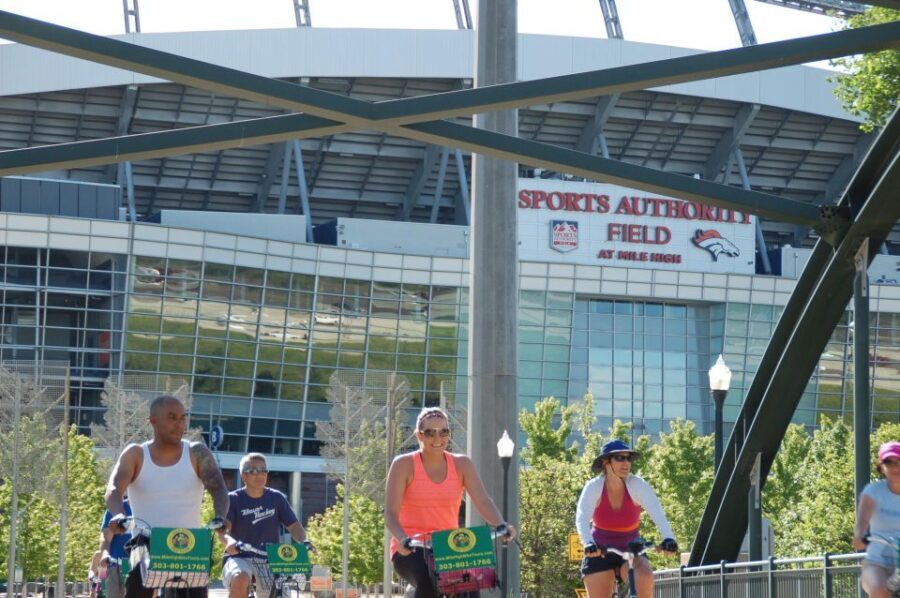
- Guided context all the way through: Historic sites, architecture, public art, parks, and stadium areas
- Downtown without the stress: Bike lanes and trails help you move around efficiently
- E-bikes available, but limited: Electric assist bikes can sell out fast, so consider reserving early
A Downtown Denver Ride That Balances Views and Context
This is the kind of tour that makes a city feel less like a blur. Instead of just pointing at famous spots, your guide gives the context that ties it together—historic and public buildings, architectural highlights, and outdoor venues in one coherent loop. You’re not speed-cruising; you’re sightseeing at a pace that lets you actually look.
I like that the tour’s promise is practical: enjoy downtown’s hustle and bustle, but at a slow, calming tempo. That matters in a place like Denver, where the core can feel busy even when you’re only walking a few blocks. On a bike, you can cover more ground without feeling like you’re rushing.
There’s also something smart about the mix of what you see. You get the downtown “wow” (architecture and public art) plus the everyday “how people live here” (parks, outdoor venues, and neighborhood streets). It’s a better snapshot than only doing one lane of tourism.
Other e-bike and bike tours we've reviewed in Denver
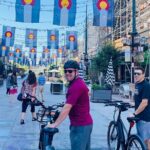

Route Basics: About 10 Miles, Flat Terrain, and the Bike-Trail Mix
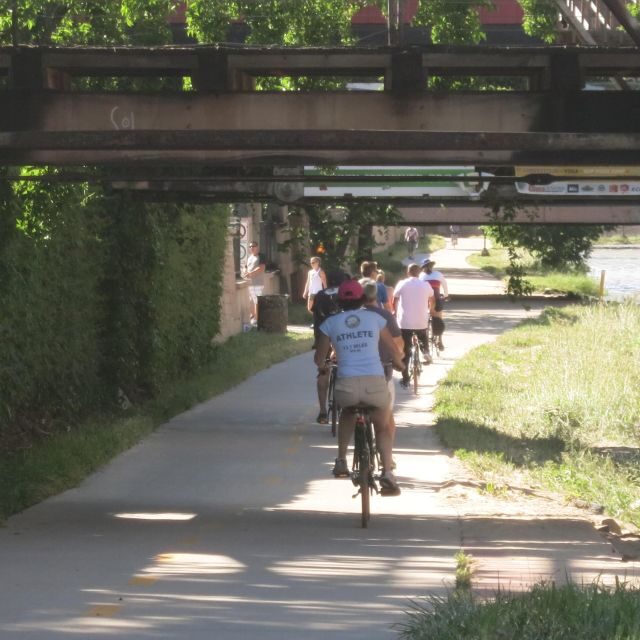
The tour is approximately 10 miles over about 150 minutes, and the terrain is described as relatively flat. Translation: this is built for most active cyclists who can ride confidently, not for aggressive climbing workouts.
What keeps it from feeling monotonous is the route style. You ride:
- Riverside paths (for open views and easy rolling)
- City bike lanes (so you’re not constantly guessing where to ride)
- Neighborhood streets (where you see the city’s texture beyond the biggest sights)
That combination is valuable because it reduces the two common problems on city bike tours: getting stuck in traffic or feeling like every second is a navigation test. Even if you’re new to biking in cities, trails and bike lanes generally make the experience feel more predictable.
Also, helmets are included. That’s one less item for you to carry and one less thing to think about when you’re focused on enjoying the ride.
What You’ll See: Denver’s Past, Present, Public Art, Parks, and Stadium Areas

The tour is designed to cover Denver’s best downtown highlights: historic and public buildings, architectural masterpieces, professional sports stadiums, public art installations, parks, and outdoor venues. You’ll essentially get a guided tour of the city’s “headline scenes,” but with enough variety that you don’t feel like you’re watching the same type of building over and over.
Here’s how that mix tends to land for you:
Historic and public buildings help you understand how Denver became the place it is today—where civic life shows up, and how the city’s identity formed around public spaces.
Architectural landmarks are more fun when you have a guide’s context. Denver has strong design personalities, and a bike tour is a good way to take in multiple exteriors without stopping every two minutes.
Professional sports stadium areas add a different kind of energy. You’re not only in “museum mode”; you’re in the part of town that handles major events and crowds. Seeing it from the bike lane also gives you a practical feel for how the district works.
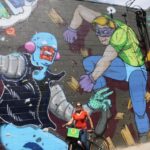
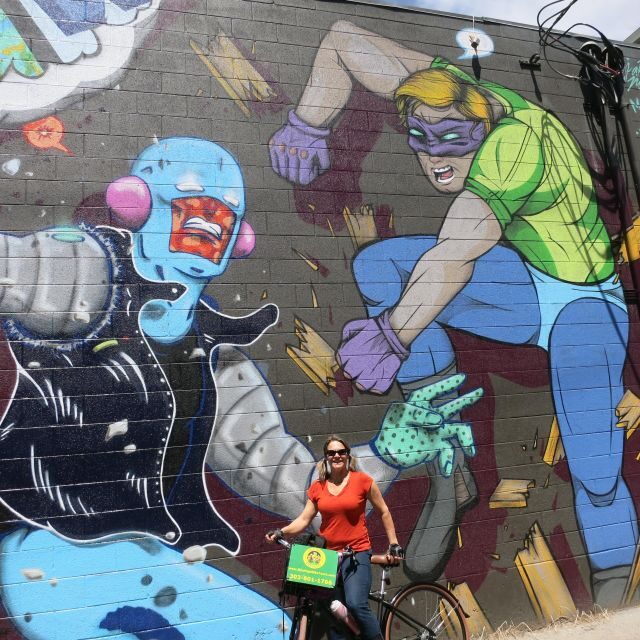
Public art installations are one of the easiest ways to understand modern Denver. Art on the street is more than decoration—it’s often tied to neighborhoods, landmarks, and civic storytelling.
And then parks and outdoor venues are what bring breathing room to a downtown ride. Even on a short tour, these green breaks help the experience feel balanced instead of wall-to-wall buildings.
The Guide Factor: How Context Turns Sightseeing Into Understanding
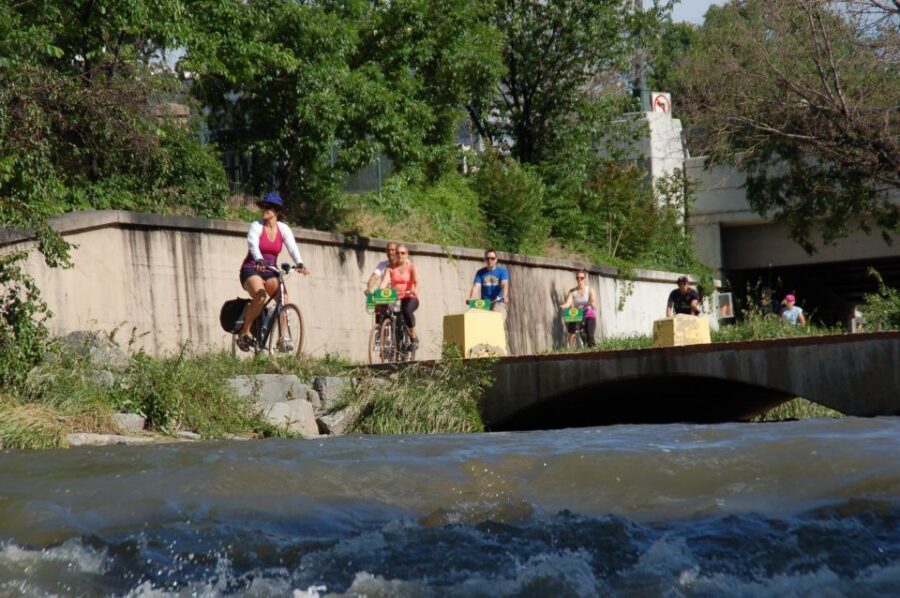
A guided downtown bike tour can go one of two ways: you either learn something, or you just collect photos. This one leans toward the learn-something side, because the description emphasizes relevant information as you ride.
You’ll be moving past a lot of different categories—historic structures, architectural features, public art, and sports venues—and your guide’s job is to connect those dots. That’s where the “past and present” promise becomes real. Denver isn’t just a grid of attractions; it’s a city with layers, and the guide helps you see those layers in the order you encounter them.
Two practical tips to get more out of the tour:
- Listen for how your guide frames each area’s role in downtown. You’ll remember the meaning longer than the exact street details.
- Use the slow pace to look at details, not just big views. Public art and architecture are often easiest to appreciate when you’re not rushing to the next stop.
One of the reasons this tour is rated highly (with a strong overall score) is that it’s built around giving you a lot to see without making the ride feel stressful. You come away with both photos and a clearer sense of what you just rode through.
Electric Assist Bikes: When the E-Bike Option Is Worth It
You can try a brand-new electric assist bike on this tour, and the big practical note is that e-bikes are limited and can sell out fast.
If you’re deciding whether to upgrade yourself mentally, here’s the useful way to think about it. Even with relatively flat terrain, 10 miles plus 150 minutes is still a solid chunk of time on a bike. An e-bike can help you keep the ride comfortable, especially if you:
- prefer a relaxed effort level,
- want to stay fresh for more walking afterward,
- or don’t ride often but can ride well.
If you’re set on trying an e-bike, don’t treat it as a last-minute “maybe.” With limited availability, it’s smart to plan early so you don’t end up with a standard bike by default.
Other cycling tours in Denver


Meeting Point and Getting Ready in Denver
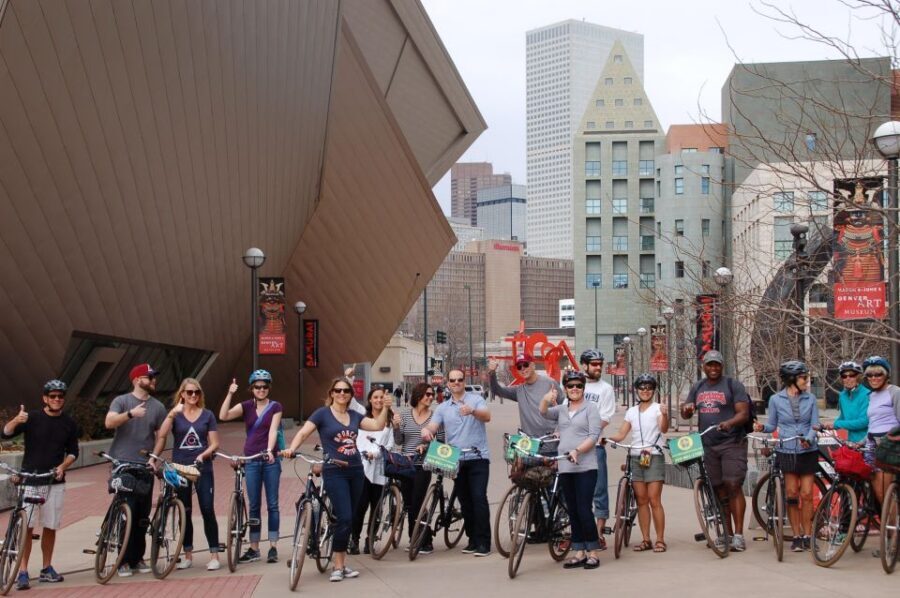
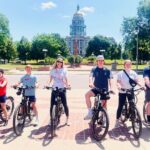
The meeting point is straightforward: the shop is located on a corner, and the tour partners with Randy’s Recycled Cycles. Look for the bicycles outside. That simple setup helps because you’re not spending your first few minutes in Denver hunting for signage.
What you should bring is also pretty light:
- Weather-appropriate clothing
That’s not just a comfort note. The tour operates in all weather conditions, so dress for the day you get—not the day you hoped for.
Included items that make your life easier:
- Bike
- Helmets
- Water
Food is not included, so if you’re doing this as your main activity, consider grabbing something before you meet. You’ll ride for a long enough stretch that you’ll feel the difference between arriving hungry versus fueled.
Who This Tour Fits Best (and Who Should Skip It)
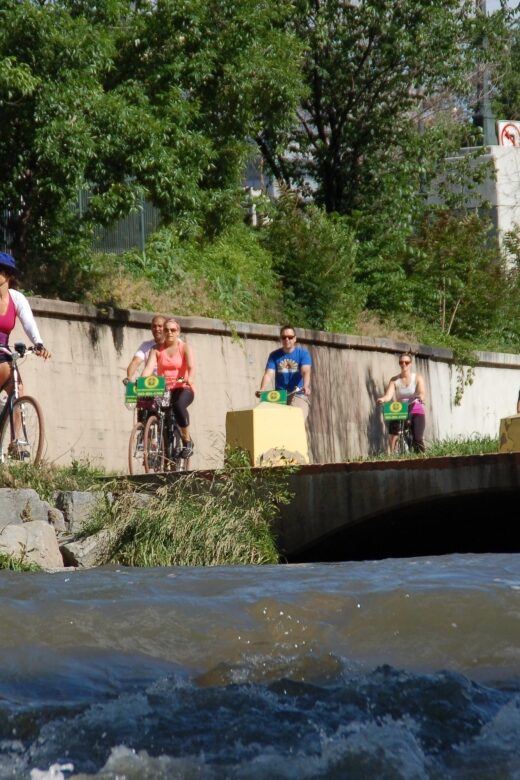
This is a good match if you:
- can ride a bike confidently,
- want a structured downtown route without planning every turn,
- and like sightseeing that mixes iconic scenes with local details like parks and public art.
It’s also ideal for people who want a “downtown overview” without the typical walking bottleneck. You cover about 10 miles—which means you see more than you would on foot in the same amount of time.
It’s not suitable for people who can’t ride a bike. And if you’re traveling with kids, children must be accompanied by an adult.
Value Check: Is $89 Worth It?
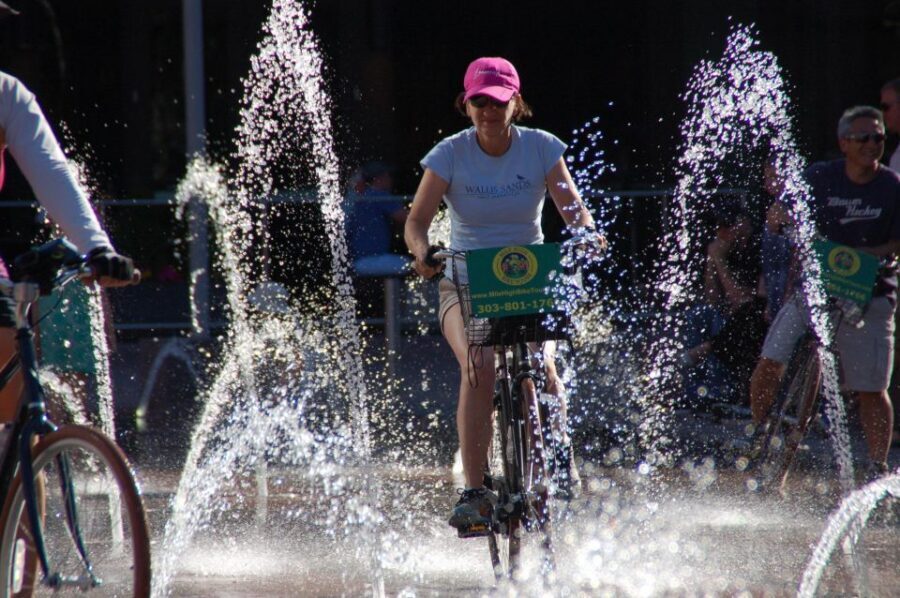
For $89 per person and 150 minutes, the value comes from three things: time, structure, and what’s included. You’re getting a guided experience that covers a full set of downtown categories—historic and public buildings, architecture, sports stadium areas, public art, parks, and outdoor venues. You’re also getting the bike, helmet, and water taken care of, which removes several small costs and decisions.
The other value signal is the format: limited to up to 9 participants. In a city tour, smaller groups often mean a smoother ride and less time spent waiting around. You also get live English guidance throughout, which helps you understand what you’re seeing instead of guessing.
If you prefer independent roaming, you could piece together a downtown route yourself. But if you want the “just show me the best loop” convenience with context built in, this price lines up well with what you’re getting.
Should You Book This Downtown Denver Bike Tour?
Book it if you want an efficient, friendly way to experience downtown Denver without turning your day into a navigation puzzle. The flat route, included bike and helmet, and guided context make it a strong option for first-timers and returning visitors who still want to see more than they’d get by walking.
Skip it if you’re not comfortable riding for about 10 miles or you’re trying to do a totally car-free, no-effort day. And if you’re leaning toward an e-bike, treat that as a priority decision—those assist bikes are limited.
If you want a balanced overview of Denver’s past and present at an easy-going pace, this is the kind of tour that earns its hype.