REVIEW · DENVER
Private: Combo, Best of Denver/Capitol Hill History & Ghost Tour
Book on Viator →Operated by Best Tours of Denver LLC · Bookable on Viator
Denver’s ghost stories come with great street-level history.
This private combo tour strings together quick-hit stops around Capitol Hill and downtown, then layers in spooky tales at landmark mansions. I like the way it mixes big Denver icons—like the U.S. Mint and the Colorado State Capitol—with haunted house exteriors and one mansion interior.
One thing to plan for: it’s mostly short photo/peek stops, and several big sights (like the Mint and the Molly Brown House Museum) are not entered.
If you want a walking tour with scares and facts, this one makes sense.
And if your group includes teens, the pace and variety can work well—just keep an eye on comfort for a lot of stops in a single morning.
In This Review
- Key highlights I’d prioritize
- How a 3-hour Denver loop balances history and haunted houses
- Pricing and what $145 per person buys you
- Start at the Denver Firefighters Museum: antique trucks and merch
- The U.S. Mint at Denver: a security fortress with Wild West energy
- City & County Building and Civic Center Park: where Denver shows off its civic pride
- City and County Building
- Civic Center Park
- Denver Art Museum exterior and CELL: culture stop meets darker backstory
- Denver Art Museum
- CELL – The Counterterrorism Education Learning Lab
- Leven Deli Co. break: the tour’s best practical pause
- Scottish Angus Cow & Calf: quick photos, strong western flavor
- Century-old church nightclub and a rotating-exhibit stop
- The mansion stretch: the core of the ghost-tour experience
- 215 E 11th Ave (The Montgomery Court Apartments)
- 1115 Grant St (Sheedy Mansion)
- 1128 Grant St (Peabody-Whitehead Mansion)
- Patterson Inn
- Pennborough Association / Dodge-Gregory Mansion
- 1200 Pennsylvania St (Dunning-Benedict mansion)
- Keating Mansion Bed & Breakfast (Capitol Hill Mansion)
- SubCulture (optional)
- Molly Brown House and the MLK connection: famous Denver names
- Molly Brown House Museum
- First Baptist Church of Denver
- Colorado State Capitol and the Brown Palace finale near 16th Street Mall
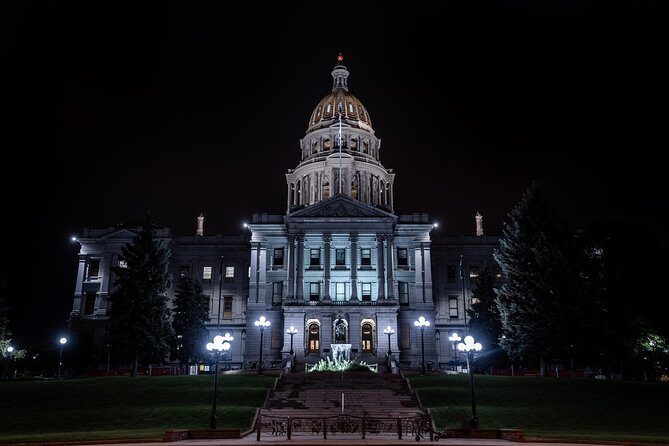
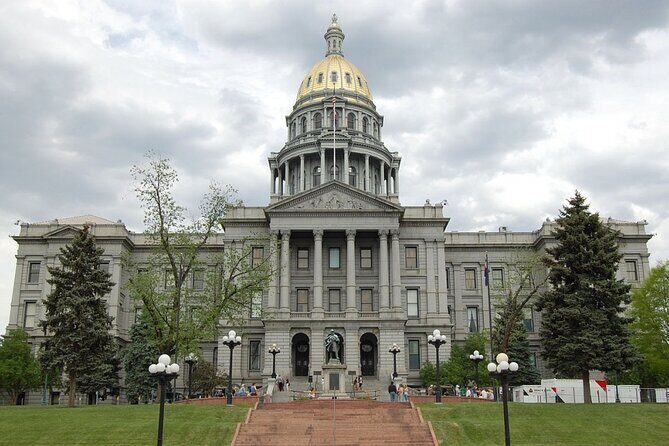
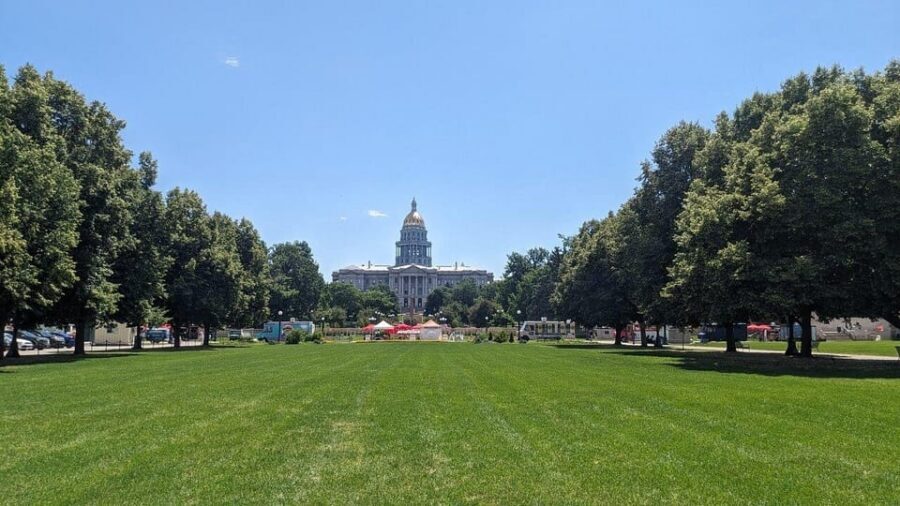
- Colorado State Capitol
- 16th Street Mall
- The Spa at The Brown Palace Hotel
- Who this tour is best for (and who should skip it)
- A quick word on your guide
- Should you book this Denver ghost and history combo?
- FAQ
- What’s the duration of this Denver tour?
- What time does the tour start, and where does it begin?
- How much does it cost?
- What’s included, and what should I pay for separately?
- Is this a private tour?
- Can I cancel and get a full refund?
Key highlights I’d prioritize
- Capitol Hill haunted mansion lineup with multiple stops tied to well-known local stories
- Taste-focused break at Leven Deli Co., built for a quick cookie/coffee reset
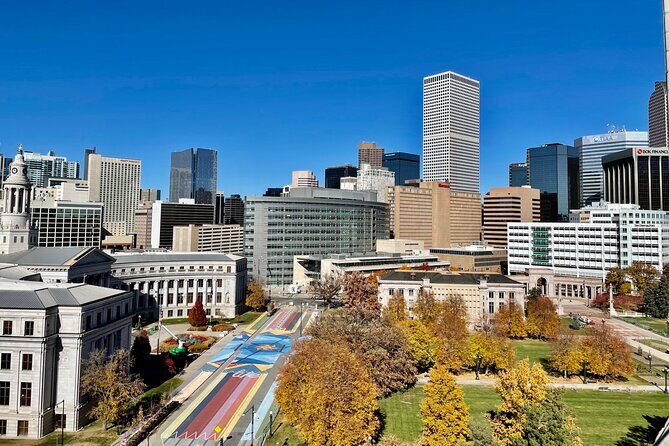
- Landmark “walk-bys” of government and culture spots (City & County Building, Civic Center Park)
- A low-stress pace: lots of stops are brief, with a couple longer breaks for restrooms and food
- One interior moment: the Keating Mansion stop is described as inside-access unless something unexpected happens
- Easy finish at the Brown Palace Hotel, one block from 16th Street Mall
How a 3-hour Denver loop balances history and haunted houses
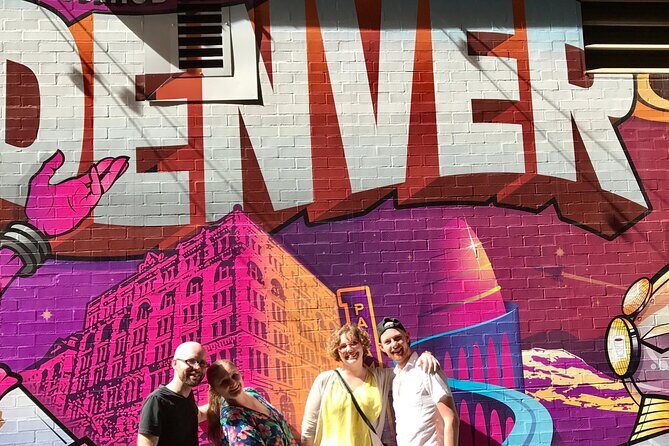
This 3-hour private tour is designed for people who want two things without two separate days: Denver’s past and a solid dose of ghost storytelling. You start at the Denver Firefighters Museum (1326 Tremont Pl) and finish at the Brown Palace Hotel and Spa (321 17th St), near the 16th Street Mall.
The structure is simple: you walk and stop often, usually for a few minutes. Some stops are strictly exterior “look and listen.” A few spots are described as free to view (no admissions baked into the tour for those exterior moments), while a handful of famous attractions are specifically noted as not included for admission because you’re not going inside.
For value, the trick is that you’re not paying for full-ticket museum time. You’re paying for a guide to connect the dots—how Denver grew, how wealth concentrated, how landmarks became symbols, and how the spooky stories fit into the same streets you’re walking.
Other ghost and haunted tours we've reviewed in Denver


Pricing and what $145 per person buys you
At $145 per person for about 3 hours, this is not a “cheap stroll.” The payoff is the combo format plus the guide-led storytelling.
Here’s the practical way to judge it:
- You get an in-person guide for the full time, and the itinerary mixes history stops with haunted stops instead of repeating one theme.
- You get a private group setup (only your group participates), which matters if you’re traveling with family or want fewer interruptions.
- Several stops are quick and low-cost, meaning the tour doesn’t require you to buy lots of extra tickets just to get the “core experience.”
Possible downside: if your dream Denver day is mostly inside museums, this format may feel too exterior-heavy. On this tour, you’re often learning from the sidewalk, not from galleries.
Start at the Denver Firefighters Museum: antique trucks and merch
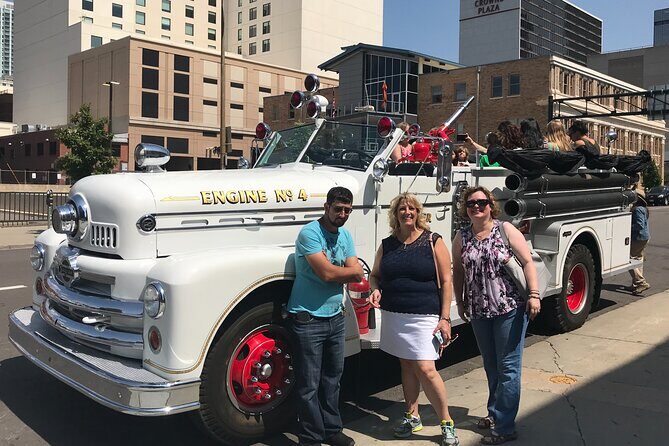
You kick things off at Denver Firefighters Museum, Historic Fire Station No. 1. The big draw here is the “bygone era” feel: this was Denver’s original fire station and a place tied to famous city fires.
The tour doesn’t push you through the museum. Instead, you pop in to see antique fire trucks and you can browse fun merchandise for Denver souvenirs. Even without museum time, the fire-station angle works because it frames the city’s grit early—before you switch to money, government, and then haunted mansions.
Practical note: this is also a decent place to get oriented. You can use the first stop to set expectations with your guide, so the rest of the walk clicks faster.
The U.S. Mint at Denver: a security fortress with Wild West energy
Next up is the U.S. Mint at Denver. It’s described as a fortress-style facility built to protect treasures tied to Denver’s gold mining days. The stop emphasizes the idea that this place is secure—yet history includes repeated attempts.
One of the most interesting details here is the legend of a famous attempt that created a Wild West-style shootout in the area around Denver’s main street. You’re not going into a museum here; the value is the story behind why a coin facility became part of local drama.
If you like “how places work” stories, this is a good bridge between history and storytelling. It also helps you understand why certain buildings feel like plot devices—prisons, mansions, banks, and government spaces all trigger similar themes in ghost lore.
City & County Building and Civic Center Park: where Denver shows off its civic pride
From there, the tour moves into the downtown heart of government and public space.
Other private tours in Denver




City and County Building
This historic building is framed as the epicenter of Denver’s government, including the mayor’s office. The tour point you’ll notice: the curved architectural design and the sense that this is a gathering hub, especially during the holiday season.
You don’t go inside, but the exterior matters because it tells you what kind of city Denver became: one that planned for public life, not just commerce.
Civic Center Park
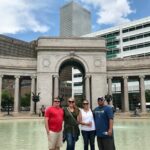
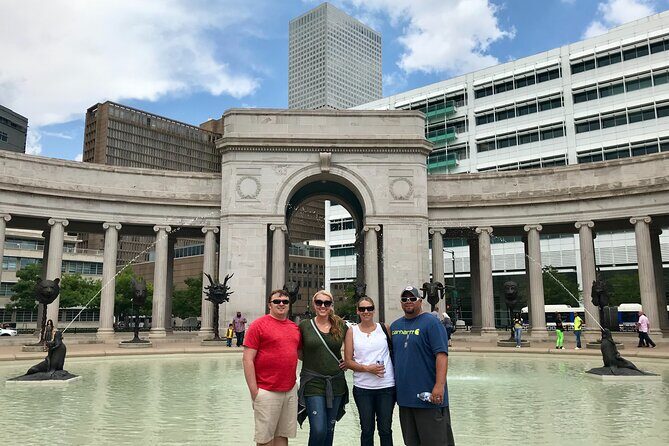
Then you’re at Civic Center Park, tied to Denver’s original “City Beautiful” design idea. The park is described as having a Greek amphitheater and as the center of diversity, where important festivals happen.
For ghost-tour fans, this stop is a mood reset. It cools down the intensity before the mansions start. For history lovers, it shows Denver’s priorities: civic space, festivals, and architecture meant for public identity.
Denver Art Museum exterior and CELL: culture stop meets darker backstory
The tour continues with more “outside learning,” which can be a great way to see a lot without rushing.
Denver Art Museum
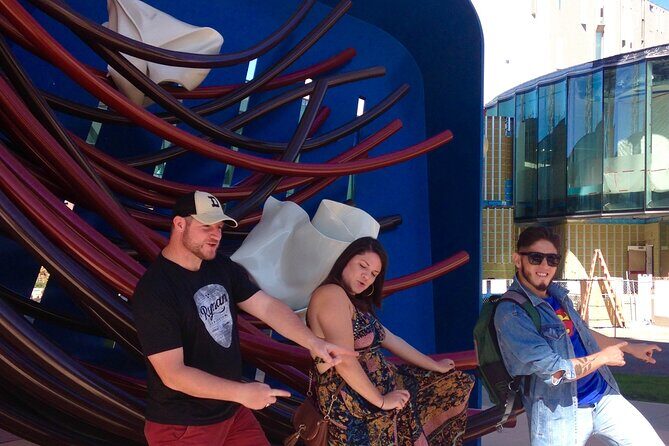
You’ll get a quick stop by Denver Art Museum, described as one of the largest in the U.S. The emphasis here is on its scale and its outdoor art around the museum grounds, including a giant dustpan and broom. The tour doesn’t go inside.
This is a practical call. Outdoor art gives you photo moments and quick context even if you don’t want to add museum admission time.
CELL – The Counterterrorism Education Learning Lab
After that, you get a short visit tied to CELL, the Counterterrorism Education Learning Lab. The tour highlights a twisted beam from the remains of the former World Trade Center and provides a brief overview of what’s inside, but again you’re not entering.
This stop can be emotional. It’s not a haunted building, but it shifts you from Victorian-era ghost vibes to modern fear and public safety stories. If your group prefers lighter scares, you might treat this as a quick, listen-and-move moment.
Leven Deli Co. break: the tour’s best practical pause
At Leven Deli Co., you get a 15-minute break. This is built into the itinerary as more than just a bathroom stop.
You can grab one of their famous cookies, coffee, and other snacks and drinks. The guidance is clear: don’t order a full meal here because the break is short. Restrooms are available.
This stop is one reason the tour works for mixed-age groups. A ghost tour can drag if people get hungry or cranky. Here, the schedule gives you fuel so you can stay sharp for the mansion stretch.
Scottish Angus Cow & Calf: quick photos, strong western flavor
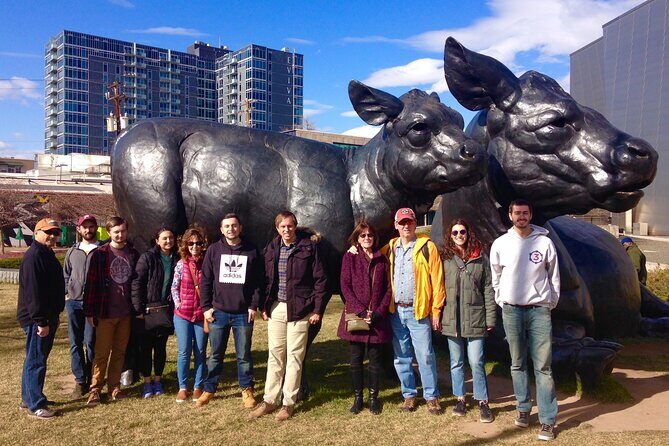
Right after food, you hit a fun Colorado icon: Scottish Angus Cow & Calf. It’s described as a favorite picture spot and as a bigger-than-life reminder of the old “cow town” days.
This is a short stop, but it’s strategically placed. It gives you something playful and less scary to look at before the haunted addresses start stacking up.
Century-old church nightclub and a rotating-exhibit stop
After Cow & Calf, the itinerary includes two more quick culture stops described only by function:
- A church over 100 years old that’s been converted into a unique nightclub
- A stop described as a place you can return to, with ever-changing exhibits
Because the provided details don’t name these locations, I’d treat them as bonus context: the tour is showing you how Denver repurposes old buildings, which is a big part of how ghost stories stay believable. When a building changes roles, people notice. They talk. Stories grow.
The mansion stretch: the core of the ghost-tour experience
This is where the tour leans hardest into the haunted theme, with a sequence of mansion exteriors. Most stops are described as short—think a few minutes each—but your guide is the glue that connects them into a single storyline of wealth, tragedy, and local legend.
215 E 11th Ave (The Montgomery Court Apartments)
This is the Montgomery Court Apartments, over 120 years old, with New Orleans-style architecture. The haunting detail is specific: residents have reported hearing the sounds of children in hallways, even though there was said to be no evidence of children at the time.
If you like “cold, creepy atmosphere” stories more than jump-scare tales, this is a good one to hear on a walking route.
1115 Grant St (Sheedy Mansion)
The Sheedy Mansion is described as the largest house on the tour and connected with one of the wealthiest families in Denver during Victorian days. The story centers on a spectral presence: the lady in red gliding up the main staircase.
This stop is a strong “visual” haunted house moment. Even without entering, the exterior setting sets you up to imagine the scene your guide is describing.
1128 Grant St (Peabody-Whitehead Mansion)
This is described as the most haunted dwelling in Denver. It’s noted as being featured on Travel Channel’s Ghost Adventures, with at least 12 spirits associated with the location.
Here’s the reason this works: multiple spirits stories give you more variety of imagery, so your guide can connect different themes—fear, family legacy, and the way a neighborhood preserves reputation.
Patterson Inn
Next is a mansion described as castle-like and patterned after a French château. The tour frames it as extremely haunted and among the most unique houses in the neighborhood, plus it’s mentioned as featured on Portals to Hell and used for an episode of The Bachelor.
This is a good stop for people who like haunted lore with a pop-culture angle. Just remember: the guide’s storytelling is what you’re really buying here.
Pennborough Association / Dodge-Gregory Mansion
This stop is described as unusual because it combines two Denver mansions into a hospital after a doctor joined them and experimented on patients—an asylum-style horror scenario.
If your group likes darker, historical-patient-story scares, this is the spot where the tour shifts tone the most.
1200 Pennsylvania St (Dunning-Benedict mansion)
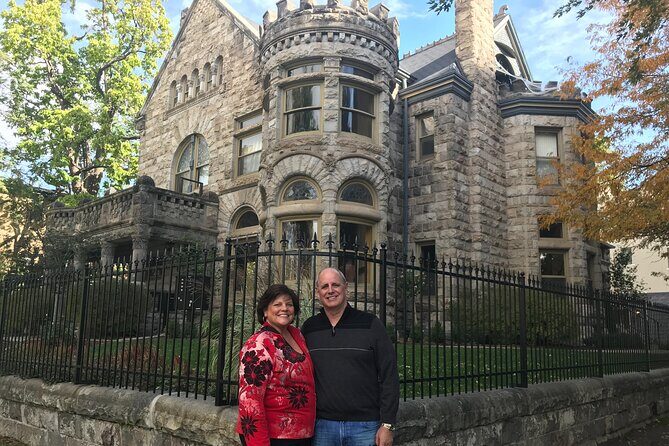
This mansion is described as rocky and castle-like, reminiscent of something like Game of Thrones, with windows that make people feel watched.
This is the most “creepy atmosphere” kind of stop: you don’t need supernatural confirmation for the story to land because the architecture itself is doing the work.
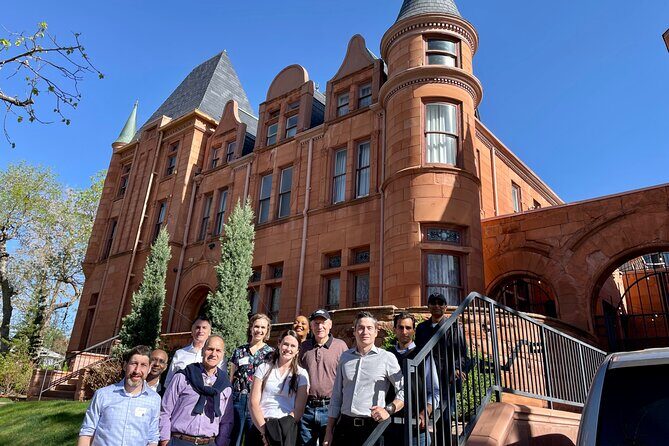
Keating Mansion Bed & Breakfast (Capitol Hill Mansion)
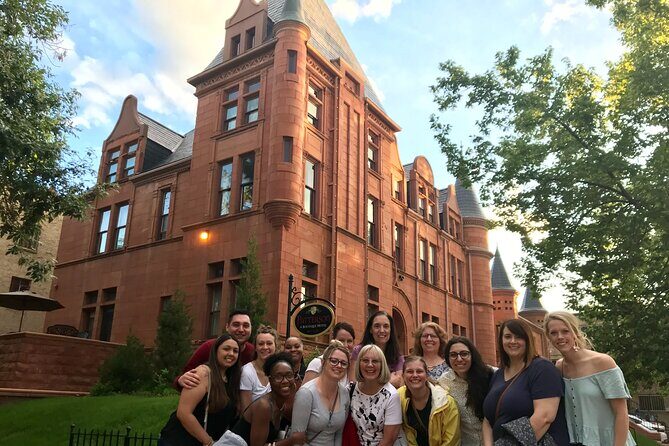
Then you get an important break from outside-only. The Keating Mansion is described as beautiful with towering turrets and Victorian charm, and the tour includes going inside unless an unforeseen event prevents it.
That inside access matters a lot for value. Exteriors are easy to look at; interiors make the stories feel real. If you care about atmosphere, this is the single stop in the tour where I’d hope conditions allow entry.
SubCulture (optional)
Finally, there’s an optional stop at SubCulture, a sandwich shop. It’s only included if someone needs another snack, a drink, or a restroom break. Restrooms require a small purchase. There’s also a coffee shop next door if you’d prefer coffee or a Danish.
Use this if your group needs a last-minute recharge. Otherwise, you can keep moving with the tour pace.
Molly Brown House and the MLK connection: famous Denver names
The tour returns to famous Denver landmarks as you head toward downtown.
Molly Brown House Museum
You’ll stop at the Molly Brown House Museum, described as the most famous Titanic survivor. The tour doesn’t go into the museum. The big idea is name recognition plus the real Denver connection to a globally famous story—Kathy Bates played her in Titanic.
If your group is a little more mainstream about ghosts and wants a cultural anchor, this is that.
First Baptist Church of Denver
This is described as the church where Martin Luther King visited and gave a sermon on diversity. The stop is brief and you don’t go inside.
This one can be powerful because it adds something more than spooky lore. It puts civic memory in the middle of a ghost-heavy itinerary, and it reminds you Denver’s story includes social history too.
Colorado State Capitol and the Brown Palace finale near 16th Street Mall
Now you move to the last stretch of big landmarks.
Colorado State Capitol
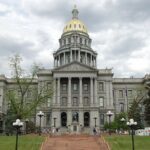
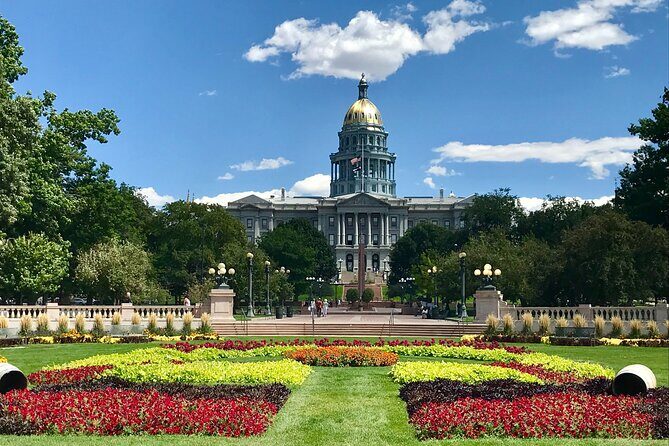
You’re taken to the Colorado State Capitol, described as an 128-year-old building known to be haunted, and the stop notes you’re going about one mile above sea level. You don’t go into the Capitol.
Even without entry, it’s a fitting ghost-tour end point. Big government buildings are built to last, and history in those walls tends to feel heavier.
16th Street Mall
Then you finish with 16th Street Mall, described as Denver’s top tourist attraction. It spans almost two miles and includes street performers, shops, restaurants, bars, a movie theater, a bowling alley, and a video arcade.
This is a smart finish because it gives you an easy choice after the tour: grab food, take photos, or just wander. The tour end also means you don’t have to rush to find a meeting place again.
The Spa at The Brown Palace Hotel
Your official end point is the Brown Palace Hotel and Spa, described as the grand dame of Denver with stunning Victorian architecture. The tour mentions that U.S. Presidents, royalty, celebrities, including the Beatles, have stayed there, and it also notes a notorious murder occurred there. You’re not going in as part of the paid experience, but you end at the doorstep.
The best part: it’s a classic “final mood” building. If you’ve been hearing ghost stories since the mansions, finishing at a famous historic hotel gives the day a theatrical close.
Who this tour is best for (and who should skip it)
This tour fits best if you want a single morning that mixes:
- Street-level history of Denver’s key landmarks
- A ghost story focus with multiple mansion-type stops
- A food break that keeps energy up
- A private setup that can feel easier for families
It’s less ideal if your group only wants major museums with time inside. The tour is built around quick stops and guide storytelling, not long ticketed museum afternoons.
One more note: on the value side, it’s especially strong if you care more about what the guide connects than about paying for separate attractions. If your group plans to add lots of museum admissions on its own, you can still do that, but the tour itself is designed for learning without requiring every extra ticket.
A quick word on your guide
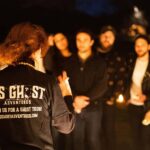
The tour is led by an in-person guide. One past guide named Bill is described as sharing a lot of Denver history plus fun ghost stories, and the group felt it worked well for a family with teens. That kind of storytelling blend is exactly what makes a combo tour land.
Even if you don’t have Bill, aim for a guide style that can handle two tones at once: facts for the history portion and suspense for the haunted stops.
Should you book this Denver ghost and history combo?
I’d book it if you want a time-efficient Denver day with both sides of the city: official landmarks and spooky addresses. Starting at the Firefighters Museum and ending at the Brown Palace means you naturally cover the arc from hardworking origins to big-money and big-institutions, then finish in a neighborhood where you can keep the fun going on your own.
Skip it if you’re expecting hours inside major museums. This is a walking tour where the guide’s narration is the main attraction, and most sights are viewed briefly.
If you do book, I’d recommend wearing comfortable walking shoes and planning to eat lightly before you meet—then let Leven Deli Co. take care of the cookie-and-coffee moment.
FAQ
What’s the duration of this Denver tour?
The tour lasts about 3 hours.
What time does the tour start, and where does it begin?
It starts at 10:00 am at the Denver Firefighters Museum, 1326 Tremont Pl, Denver, CO 80204.
How much does it cost?
It’s $145.00 per person.
What’s included, and what should I pay for separately?
You get an in-person guide, plus a mobile ticket. The tour does not include snacks or drinks, and it also notes that admission tickets are not included for certain stops (for example, the Denver Firefighters Museum, U.S. Mint, Denver Art Museum, and Molly Brown House Museum).
Is this a private tour?
Yes. It’s listed as a private tour/activity, meaning only your group participates.
Can I cancel and get a full refund?
Yes—free cancellation is available if you cancel at least 24 hours before the experience’s start time for a full refund.