REVIEW · DENVER
Discover Rocky Mountain National Park
Book on Viator →Operated by Aspire Tours · Bookable on Viator
Rocky Mountain National Park starts with an easy city pickup. This is a full day that trades self-driving stress for a guided route, scenic stops, and plenty of time to look for elk, moose, and eagles in the wild. I like how the pace is built for photos and quick walks, not punishing hikes.
Two things I really like: you get expert guiding for Denver history and park know-how, and you also get enough time at each stop to actually enjoy what you’re seeing. The guide experience can be a highlight too—names like Jason, Jerry, Brennon, Jed, Aaron, Rico, Tate, Gentry, and Steve show up again and again, and the common thread is clear storytelling plus careful, confident driving.
The main drawback to plan for is that you’re in a car a lot. It’s not a big hike day, and in winter the mountain weather can limit visibility and road access, so your perfect-top-of-the-world view may depend on conditions.
In This Review
- Key Things That Make This Day Trip Worth Your Time
- Mile High to Mountain Roads: What This Tour Really Feels Like
- Meeting Point, Check-In Timing, and Why It Matters
- Lyons Coffee Stop: A Quick Warm-Up Before Big Views
- Lily Lake and Longs Peak Views: The First Real Payoff
- Rocky Mountain National Park: How the Stop Plan Helps You Spot Wildlife
- Summer vs Winter reality check
- Stanley Hotel View and Estes Park: Scenic Extras Without the Long Detour
- Picnic Lunch Rules: When to Expect It and When to Plan Around It
- What to Wear (and Pack) for Real Mountain Weather
- Guides, Driving, and Why the Human Touch Shows Up
- How Much Distance and Effort Is This, Really?
- Value Check: Is $199 a Smart Use of Your Denver Time?
- Should You Book This Discover Rocky Mountain National Park Tour?
- FAQ
- Where do we meet for the Discover Rocky Mountain National Park tour from Denver or Boulder?
- What is the duration of the tour?
- How much does the tour cost?
- Is Rocky Mountain National Park entrance fee included?
- Is lunch included on this tour?
- What should I wear?
- What should I bring?
- Is this a hiking tour?
- How high will we go in elevation?
- What happens if the weather is bad?
Key Things That Make This Day Trip Worth Your Time
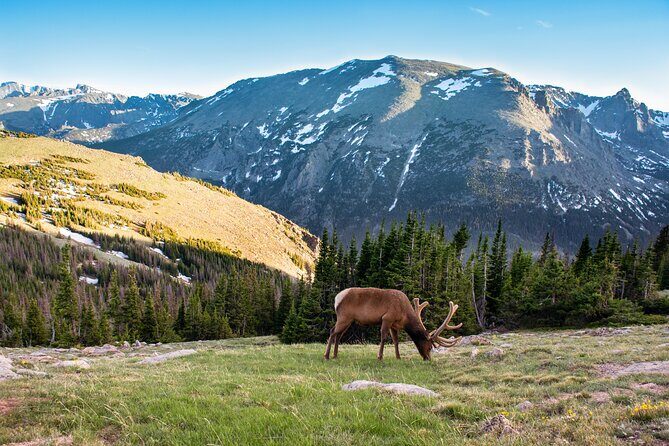
- Small-group feel in an upscale 14-passenger vehicle keeps the day calmer than big coach tours
- Wildlife-focused stop timing gives you multiple chances instead of one rushed pull-off
- Longs Peak views from Lily Lake are a quick win before you even enter the park
- Seasonal lunch rules matter, so your packing plan changes between summer and winter
- Your guide actively reroutes when scenic roads are too risky or closed
- Four hours in Rocky Mountain National Park means you can slow down once you get there
Mile High to Mountain Roads: What This Tour Really Feels Like
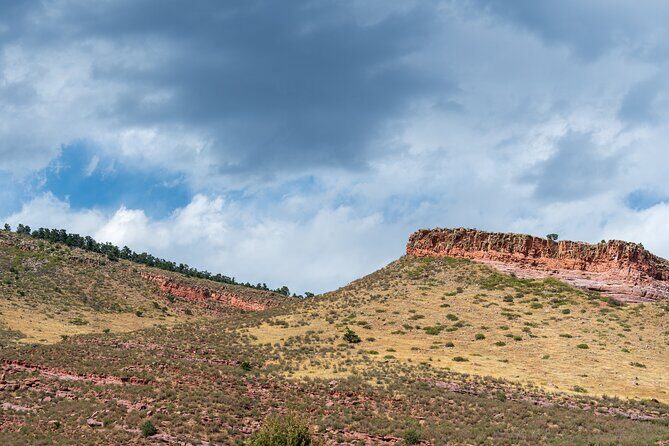
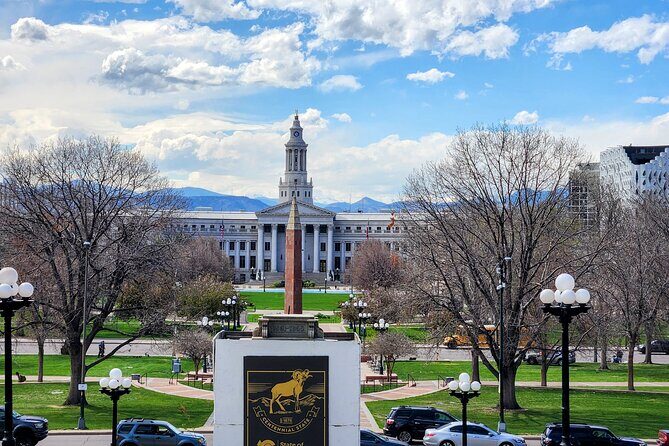
This is the kind of day trip that works when you want Colorado’s best highlight—Rocky Mountain National Park—without turning your vacation into a navigation contest. You start from Denver Union Station or Boulder area, then head west with stops that build momentum: city landmarks, quick coffee fuel, and then real mountain scenery.
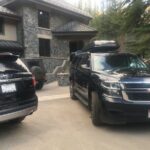
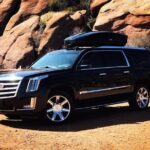
The ride itself is part of the comfort. You’ll be in upscale transportation (14 passengers), which usually means easier seating and a more relaxed atmosphere for a long day. And since the group is capped on the smaller side (max 13 is noted), it tends to feel conversational rather than chaotic.
One detail I appreciate: this is designed as active sightseeing, not a full-on hike. You’ll get short walking opportunities at viewpoints and lakes, plus bench-time for anyone who wants to pause and just look. If you’re the type who loves a trail but hates being rushed, you’ll still enjoy this—but it’s not trying to replace a hiking day.
Other Rocky Mountain National Park tours in Denver
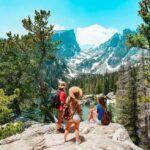
Meeting Point, Check-In Timing, and Why It Matters
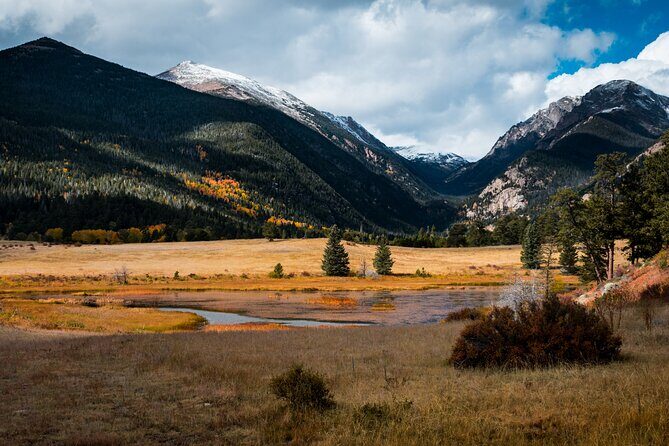
You’ll want to start clean and simple. The meeting point given for Denver/Boulder is Walnut Cafe, 30 73 Walnut Street. In addition, the pickup locations mention Denver Union Station or Boulder, so confirm which exact pickup you selected when you booked.
Plan to arrive 10–15 minutes early to check in with your guide. That small buffer helps keep the day moving smoothly—especially important because Rocky Mountain National Park timing can be weather-dependent, and winter daylight is short.
If you’re bringing mobility aids like a walker or scooter, there’s specific guidance: contact the operator so the vehicle has space. This is one of those “don’t guess” situations where a quick message saves you stress later.
Lyons Coffee Stop: A Quick Warm-Up Before Big Views
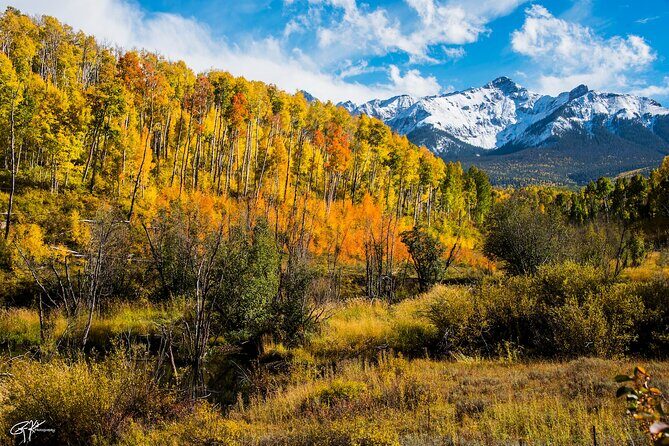
The Lyons stop is short—about 20 minutes—with coffee built in. This is more than a break stop. It’s a mental reset: you’ll swap city pace for mountain pace, and you’ll get a chance to settle before the day gets visually intense.
Practically, it’s also a timing checkpoint. If you’re traveling from Denver or staying nearby, this kind of early stop helps prevent everyone from arriving to the first scenery moment already drained.
Lily Lake and Longs Peak Views: The First Real Payoff
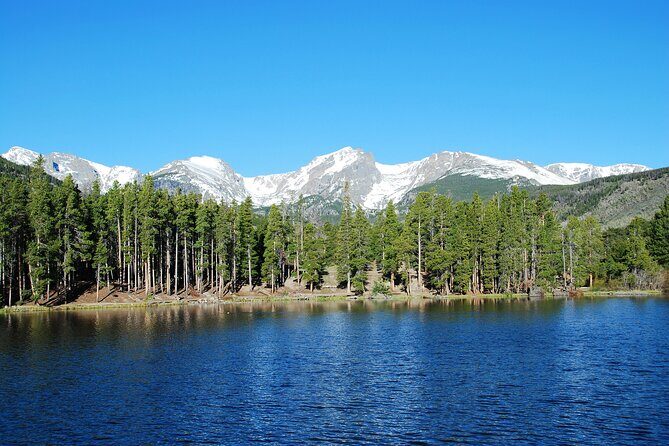
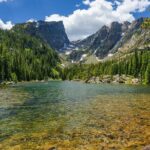
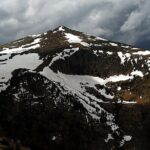
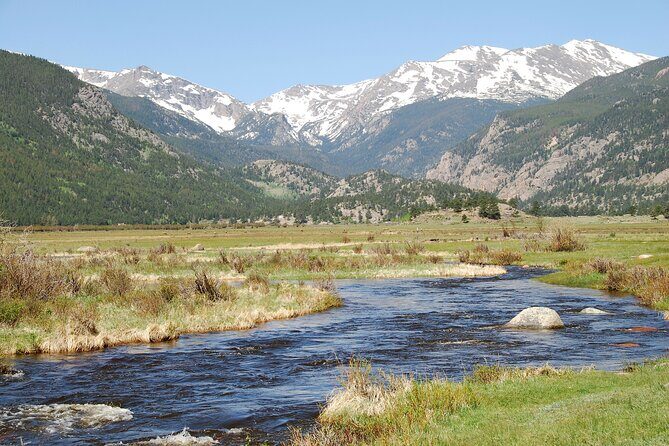
Lily Lake is one of those stops that gives you instant altitude romance. You get panoramic Longs Peak views along with the calm of the lake itself, and you usually have enough time to step out, find a photo angle, and breathe a little before the main park day.
Why this matters: it’s a warm-up for what you’ll see later. You learn where the best sightlines can be, and your expectations get calibrated. If you’re coming from sea-level (or even just from flat Denver suburbs), this is the moment you start feeling how the terrain works in Rocky Mountain National Park—big angles, fast weather shifts, and lots of wildlife potential nearby.
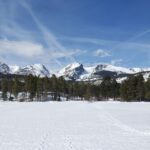
If you’re visiting in winter, keep in mind the visibility can change quickly. The lake and peaks can look dramatic one minute and different the next, depending on snow and cloud.
Rocky Mountain National Park: How the Stop Plan Helps You Spot Wildlife
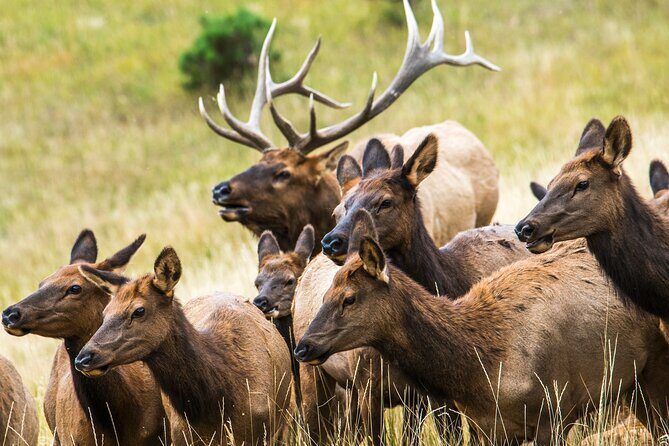
Once you’re inside Rocky Mountain National Park, you’ll have about 4 hours to explore with multiple stops at alpine-lake areas and viewpoints. This is the core of the tour, and it’s also where the “wildlife odds” strategy shows.
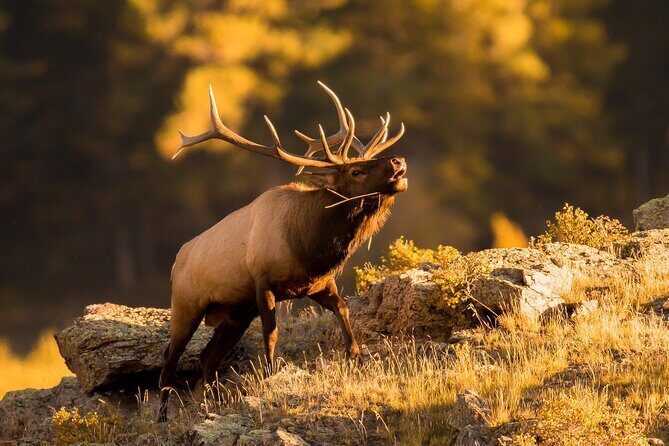
The stops are paced so you’re not just driving past scenery—you’re getting designated windows to scan for animals and then move on to the next likely spot. The most common wildlife you may see includes elk, deer, moose, and eagles, and the best sightings tend to happen when the group gets the right timing rather than random luck.
Here’s how I’d think about it as a practical traveler: wildlife viewing is a game of patience, and patience requires time. Four hours inside the park gives you that. In winter, cold can limit how long people want to stand still, so shorter, well-chosen pauses often work better than long, silent waits.
Also, this is the right format if you don’t want to commit to a full hike. You’ll have self-exploration at select stops, but the day stays mostly sightseeing-friendly.


Summer vs Winter reality check
In summer, higher roads and viewpoints can open up more options. In winter, snow can reduce visibility, and roads can be closed for safety. The tour plan accounts for this by adjusting the route when needed.
You’ll also be in good hands for how the park works. The tour notes that the National Park Service provides full disclosure about the days of operation for Trail Ridge and Old Fall River Road, so don’t build your whole day around one single road being open every time.
Stanley Hotel View and Estes Park: Scenic Extras Without the Long Detour
This tour threads in Colorado town charm, but it stays park-first. You’ll get a look at the iconic Stanley Hotel from a viewpoint—enough for a photo and a moment of atmosphere without turning the day into an endless sightseeing loop.
Estes Park is similar. You’ll drive through the town at the entrance to the park, and it sounds like there are times when they may not always stop there long. That makes sense if you’re trying to protect time inside Rocky Mountain National Park for wildlife viewing and viewpoints.
If Estes is a must-do for you—shopping, lunch on the main strip, or a long wander—this tour may not be the best fit. You’ll still get the mountain town vibe, but it’s not designed as an Estes Park day.
Picnic Lunch Rules: When to Expect It and When to Plan Around It
Food planning is the big seasonal difference.
- From May 1 onward, lunch is included (a picnic lunch in the park is mentioned), and you should disclose dietary restrictions at checkout.
- From Nov 1 to May, lunch is not provided.
So if you’re traveling in fall or winter, don’t count on a provided meal. Pack snacks you’ll actually enjoy, and consider adding something warm (tea, hot chocolate in a thermos) if you’re the type who gets cold fast. The tour also includes water refill support, with a note to bring a reusable bottle.
One more practical point: even when lunch is included, winter weather can make it feel colder than expected. Layers matter.
What to Wear (and Pack) for Real Mountain Weather
This is where you can win or lose your comfort level.
Dress in layers. Colorado mountains can change quickly, and after a short walk you might want to remove a layer. In winter (Nov–Apr), waterproof shoes are highly recommended, and wool socks are also recommended.
The tour notes that they do not provide additional clothing. That means if you show up with fashion sneakers and no real protection from slush, you’ll feel it.
Pack basics:
- A reusable water bottle for refills
- Camera
- Sunscreen/lip balm (mountain sun can surprise you)
- Any required medications
- Snacks if you’re traveling in the no-lunch season
If you’re prone to cold, bring a hat and wind protection. Even if it doesn’t look brutal at pickup, it can be windy or snowing near higher elevations.
Guides, Driving, and Why the Human Touch Shows Up
This type of day trip lives or dies on the guide. The guiding style here tends to blend safety-first driving with park facts and lively storytelling. In the reviews, you’ll see repeated praise for specific guides such as Jason, Jerry, Brennon, Jed, Aaron, Rico, Tate, Gentry, and Steve—often with the same themes: smart timing, helpful answers, and a careful hand on the road.
I’d treat that as a real-world signal. When you’re spending hours in a mountain vehicle, you don’t just want directions—you want confidence and context. A good guide helps you notice wildlife behavior, understand why a viewpoint is chosen, and keep the group moving without feeling rushed.
It’s also worth noting that if weather turns bad enough to be dangerous, the guide will change the route. That flexibility matters more in the Rockies than in most day trips.
How Much Distance and Effort Is This, Really?
Expect a long day. It’s about 8 hours total, with multiple stops. But the physical effort is generally light walking. It’s not meant to be a full hiking tour, though there will be moments where you can step out and explore on your own at designated stops.
If you want a sweat-and-stamina day, you should consider a hiking-focused alternative. If you want a great overview plus wildlife chances plus photo time, this format fits nicely.
Also, the tour includes park entrance fee, and it states most travelers can participate. If you have specific limitations, check with the operator, especially if you’re using assistive devices.
Value Check: Is $199 a Smart Use of Your Denver Time?
At $199 per person, this isn’t the cheapest way to reach Rocky Mountain National Park—but it’s also not trying to be. You’re paying for:
- a guide
- upscale transportation
- park entrance fee included
- a full day route that protects your time in the park
The value jumps if you’re short on time in Denver or you don’t want to drive yourself through mountain conditions. Even if you could rent a car and go on your own, you’d still be spending time figuring out roads, parking, and where to pause for wildlife.
There is one extra cost to factor in: government fees are listed as $100 per person not included. So when you compare options, don’t compare only the base price—compare the total.
If you’re doing RMNP as a one-day hit, this tour can be a smart shortcut. If you’re staying in the area for multiple days, you might prefer renting a car and going at your own tempo. But for a single-day highlight plan, paying for structure is often worth it.
Should You Book This Discover Rocky Mountain National Park Tour?
Book it if you want:
- Rocky Mountain National Park highlights in one day
- multiple stops with decent time windows for photos
- a low-stress format that doesn’t require you to drive in winter
- a guide who helps you understand what you’re seeing
Skip it (or consider a different product) if you:
- want a heavy hiking day
- need long Estes Park time for shopping or a long sit-down lunch
- can’t handle cold weather and you’re not willing to dress properly (especially Nov–Apr)
If you do book, here’s my simple tip: plan for variable mountain weather. Wear layers, bring waterproof footwear if you’re going in winter, and accept that road access and visibility can change your exact sights. That mindset turns the day from frustrating to fun—and it keeps you enjoying the park instead of negotiating with it.
FAQ
Where do we meet for the Discover Rocky Mountain National Park tour from Denver or Boulder?
You meet at Walnut Cafe, 30 73 Walnut Street.
What is the duration of the tour?
The tour is approximately 8 hours.
How much does the tour cost?
The price is $199.00 per person.
Is Rocky Mountain National Park entrance fee included?
Yes. The Rocky Mountain National Park entrance fee is included.
Is lunch included on this tour?
Lunch is included starting May 1. Lunch is not provided from Nov 1 to May.
What should I wear?
Dress in layers. For winter months (Nov–Apr), waterproof shoes are highly recommended, and wool socks are also recommended.
What should I bring?
Bring a reusable water bottle, your required medications, sunscreen or lip balm, a camera, and any additional snacks you want.
Is this a hiking tour?
No. This is an sightseeing tour, not a hiking tour. You will have opportunities for light self-exploration at select designated stops.
How high will we go in elevation?
In summer, weather permitting, the tour goes up to 13,000 feet.
What happens if the weather is bad?
If weather is too bad or it is too dangerous to drive scenic roads, the guide will change the tour route. If the experience is canceled due to poor weather, you’ll be offered a different date or a full refund.