REVIEW · DENVER
Denver: History and Architecture Walking Tours
Book on GetYourGuide →Operated by Historic Denver · Bookable on GetYourGuide
Denver history hits different when you walk it. You’ll cover old buildings and the people behind them, with a guide who keeps the city’s architecture moving instead of turning it into a lecture. I especially like how you learn the story of Denver’s growth—from early days to the neighborhoods that still define it today—and I enjoy the practical pacing of a 90-minute format that doesn’t eat your whole day.
This experience shines with small groups and real, street-level context. One drawback to consider: the quality of delivery can vary by guide, so if you’re craving highly animated storytelling, you may want to choose a tour based on the kind of pace you like.
In This Review
- Key things I’d plan around
- Choosing the right Denver history walk: LoDo, Capitol Hill, Quality Hill, or Larimer Square
- Union Station meeting point: why starting here makes the whole city make sense
- Lower Downtown (LoDo): rail-era Denver and the city’s messy middle
- Capitol Hill walking tour outside the Molly Brown House Museum
- Quality Hill: the Governor’s Mansion and the names behind the addresses
- Larimer Square: Denver’s oldest block and the preservation story you can feel
- What you’ll get in 90 minutes (and how to make it count)
- Guides, pace, and small-group size: what the best experiences feel like
- Price and value: why $20 for Denver architecture can be a smart use of time
- Weather-proof planning: rain or shine, plus what to bring
- Should you book this Denver history and architecture walking tour?
- FAQ
- How long is the Denver History and Architecture Walking Tour?
- How much does it cost?
- Where do I meet the guide?
- Is the tour guided, and what language is it in?
- Does the tour run in bad weather?
- What’s included in the ticket price?
- When to bring your questions
Key things I’d plan around
- Choose your neighborhood theme: LoDo, Capitol Hill, Quality Hill, or Larimer Square changes what you’ll see and what you’ll learn.
- Start at Union Station (for meeting): it anchors the story right away and helps you get oriented fast.
- Watch for details in the architecture: the guides connect design choices to the time period and the people who commissioned the buildings.
- Get value from 90 minutes: it’s long enough for substance, short enough for a tight schedule.
- Small group means questions land: you’ll have room to ask follow-ups without being lost in the crowd.
Choosing the right Denver history walk: LoDo, Capitol Hill, Quality Hill, or Larimer Square
Denver’s history isn’t one straight line. It’s neighborhoods—each with its own cast of characters and building styles—and that’s exactly how you’ll experience it. When you pick a tour, you’re really picking which chapter of Denver you want: rail-era hustle, mansion-era ambition, or the story of a block that got saved.
Here’s how I’d decide based on what you’re most curious about:
- If you’re into Denver’s early transformation and rail power, go with the Lower Downtown (LoDo) tour.
- If you want a more residential, late-1800s mood with dramatic houses, the Capitol Hill tour is your best fit.
- If you like prominent names and “who lived here” storytelling, choose Quality Hill.
- If you’re drawn to preservation and street-level history you can still feel today, pick Larimer Square.
You don’t need to know architectural terminology to enjoy any of these. The guides translate what you’re seeing into a simple story: who built it, why it mattered, and what it says about Denver in that era.
Other walking tours we've reviewed in Denver


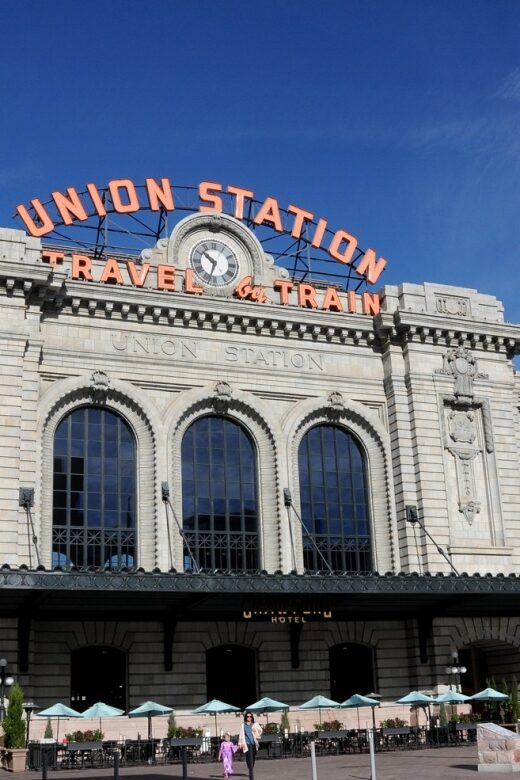
Union Station meeting point: why starting here makes the whole city make sense

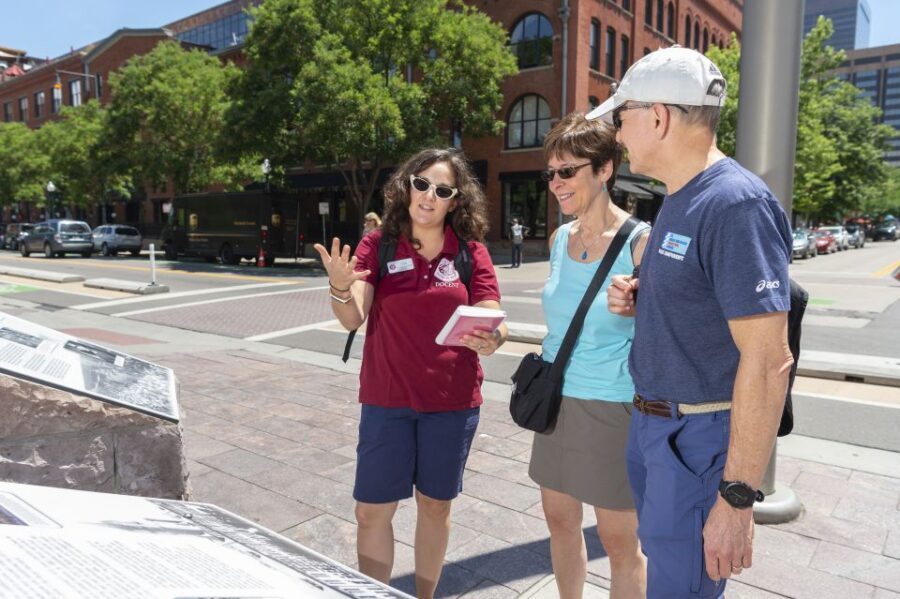
You’ll meet your guide at the flagpole in front of Union Station. Arrive about 10 minutes early so you can get oriented before you start walking. Look for guides wearing maroon polo shirts that say Historic Denver, so it’s easy to spot the right person.
I like this start because Union Station is basically Denver’s punctuation mark. Even if your selected tour focuses elsewhere, beginning at this landmark helps you connect the dots. Denver went from early stages to a major hub, and that shift is the spine running through a lot of the city’s architecture.
From here, you’ll walk with your guide while the story threads through streets and buildings tied to real people—not just dates on a wall.
Lower Downtown (LoDo): rail-era Denver and the city’s messy middle

The LoDo tour begins at Union Station and takes you through Lower Downtown as Denver shifts through major phases. The core storyline you’ll hear is how the city went from a small grouping of tents to a major railroad hub—and then later through a rough period before it became the urban hot spot it is today.
What you’ll want to pay attention to on this walk:
- The way older structures sit within newer streets and uses
- How the area’s identity changes over time
- The “before and after” feeling that comes from seeing buildings that outlasted the hype cycles
This is the tour I recommend if you like history that has friction. Denver didn’t grow up in a straight line, and LoDo shows that. You’ll come away with a better sense of why certain buildings are where they are, and why the city’s momentum often followed the railroads.
Capitol Hill walking tour outside the Molly Brown House Museum
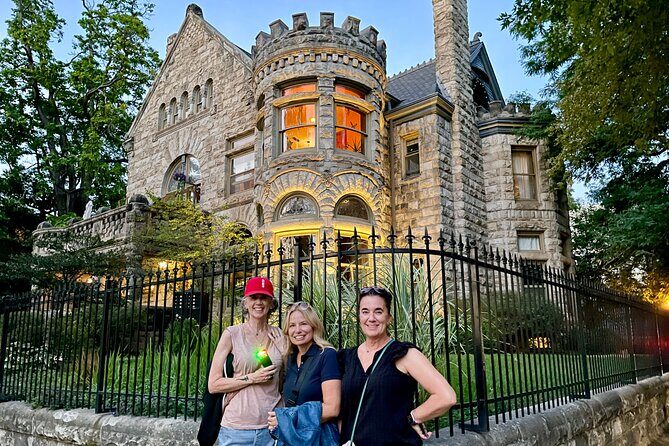
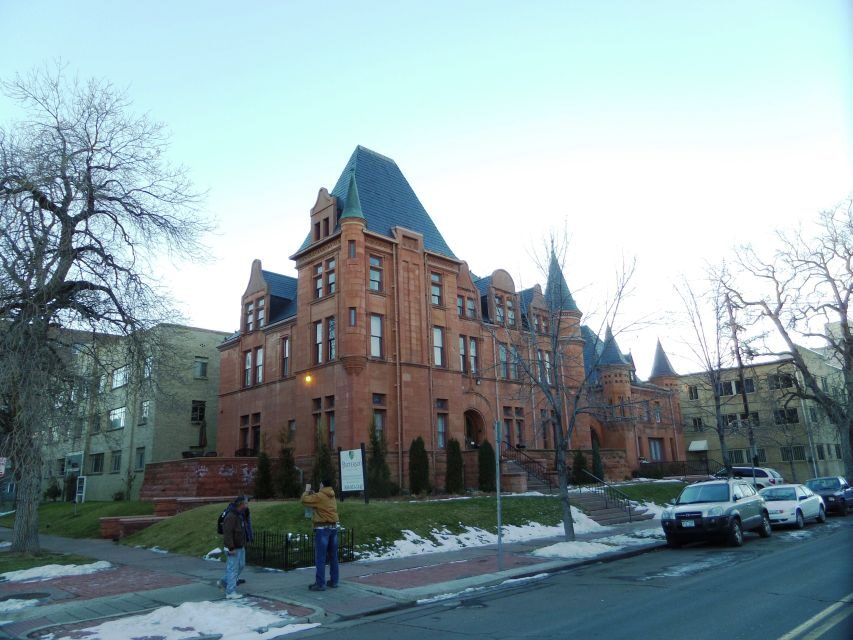
On the Capitol Hill tour, you’ll begin outside the Molly Brown House Museum and move through the charming historic mansions of the area. This tour is less about commercial Denver and more about families and status—what people built when they were trying to signal permanence.
What makes this stop-based approach work is that you’re not just looking at big homes. You’re learning about the families who lived in these stately houses at the end of the 19th century. In other words, the architecture becomes a social record.
As you walk, you’ll get a clearer picture of:
- What “grand” meant in that era
- How neighborhoods reflect who had power and resources
- Why the layout and design choices matter even today
If you’re the type who enjoys human stories—who did what, who lived where, and what that says about the time—Capitol Hill is a great pick.
Quality Hill: the Governor’s Mansion and the names behind the addresses
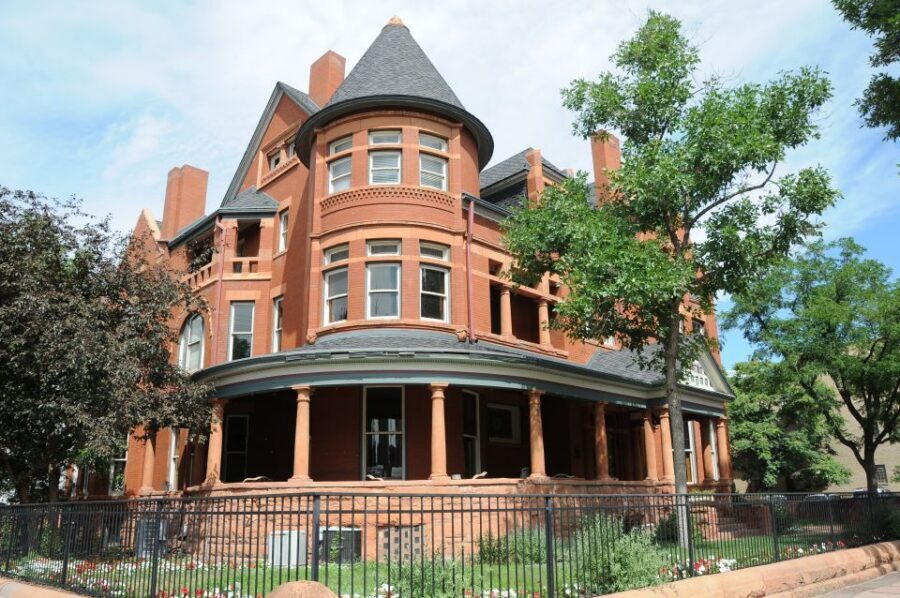
Quality Hill is the kind of neighborhood where the details feel intentional. This tour focuses on architectural gems like the Governor’s Mansion, the Malo Mansion, and the Zang Mansion. The guide ties each home to the people behind it and their legacy in Denver.
I like this tour when you want architecture with a character connection. The big houses could be seen as just scenery, but the guide turns them into a map of influence: who these people were, what they stood for, and why their homes became landmarks.
Practical tip for this one: take your time looking at the exterior features as the guide explains context. Even if you only catch a few specific details, the story makes those shapes and styles click.
Quality Hill is also a strong choice if you prefer a less chaotic walking vibe. You’ll be walking among residential grandeur, not just business streets.
Other historical tours in Denver






Larimer Square: Denver’s oldest block and the preservation story you can feel
The Larimer Square tour zeroes in on Denver’s oldest block and the effort it took to keep it from ruin and dilapidation. You’ll also learn how local citizens helped create the city’s first historic district.
This is a fantastic tour if you want history that isn’t only about what happened—it’s also about what people fought to save. You can see the result in the street feel: the buildings and block design carry the energy of preservation, not replacement.
On this walk, I’d focus on:
- How the block’s age shows up in its layout and building faces
- The difference between buildings that survived versus ones that didn’t
- The idea of civic pride expressed through preservation
If your travel style includes slower observation and wanting to understand why a place looks the way it does, Larimer Square delivers.
What you’ll get in 90 minutes (and how to make it count)
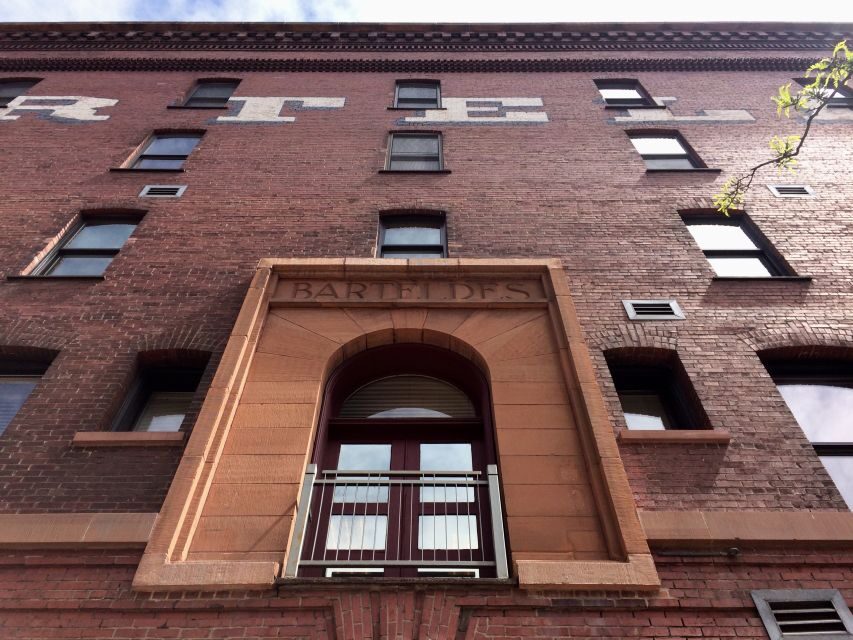
The tour lasts 90 minutes, and that’s long enough to learn several building stories without dragging. Because it’s a guided walking format, your best move is simple: pace yourself and keep your ears open. The guide isn’t just describing architecture. They’re connecting the city’s physical growth to the people shaping it.
Here’s how to get more from your time:
- Wear comfortable shoes you can trust for steady walking.
- Bring water and take short breaks when you need them; the weather can shift fast.
- If you spot a building detail you don’t understand, ask. The small group setup makes this practical.
Also, because food and drinks aren’t included, plan to have a snack or meal before you go. I find this tour works best as a morning activity or an early afternoon plan, so you’re not hungry while you’re trying to listen.
Guides, pace, and small-group size: what the best experiences feel like
This is a live, English guided tour with a small group capped at 10 participants. That cap matters more than people think. When there aren’t too many voices, you can actually hear the explanation and ask questions.
The reviews offer a useful clue about how the experience lands. Many people praise guides for detailed explanations and for making the details feel relatable. Names that came up include Lois, who was described as giving a lot of period context, and Jessie, who in one case was criticized for reading from a notebook.
So here’s the balanced takeaway: you’re likely to get a thoughtful, engaged tour, but delivery style can vary. If you’re sensitive to long read-from-notes segments, you might prefer choosing the neighborhood topic you’re most excited about, because your interest will help keep you engaged even if your guide’s style is more structured.
Price and value: why $20 for Denver architecture can be a smart use of time
The price is $20 per person, and for a focused walking tour that’s 90 minutes with a live guide, that’s strong value. You’re paying for:
- a guide who explains why the buildings matter (not just what they look like),
- multiple stops across older Denver-related neighborhoods,
- and a small-group environment where you can ask questions.
I also like that it’s not a huge time commitment. Ninety minutes is ideal if you’re trying to see Denver beyond the big highlights and learn what gives the city its shape.
If you’re already paying for entry tickets to a museum later, this walking tour can help you understand what you’ll see. It puts the city’s buildings into a larger story, so other sights click faster.
Weather-proof planning: rain or shine, plus what to bring
All tours operate in rain or shine, so don’t count on weather to cancel your plans. Bring sunscreen, water, and weather-appropriate clothing. Comfortable shoes are non-negotiable; a walking tour is not the moment for brand-new footwear.
If the forecast looks questionable, plan for layers. You’ll be standing and walking in open air for the full 90 minutes.
And one practical note: the tour is marked as wheelchair accessible, but it’s also listed as not suitable for people with mobility impairments. That conflict is worth taking seriously. If mobility is a factor for you, contact the provider with specifics before you book, so you don’t end up on routes that don’t work.
Should you book this Denver history and architecture walking tour?
Book it if you want a guided, street-level way to understand Denver’s older buildings and the people who made the city what it is. The small-group size, the focused neighborhood options, and the 90-minute length make it easy to fit into a real schedule.
Don’t book it if you hate walking, you need long breaks on demand, or you’re expecting a highly scripted, stage-performance style of storytelling. This is built for listening and observation.
If you’re torn between neighborhoods, I’d base it on your curiosity:
- rail-era change? pick LoDo
- mansion-era families? pick Capitol Hill
- prominent addresses and influential legacies? pick Quality Hill
- preservation and the story behind the block? pick Larimer Square
Pick the chapter you’ll enjoy most, and you’ll get the value out of the time.
FAQ
How long is the Denver History and Architecture Walking Tour?
It runs for 90 minutes.
How much does it cost?
The price is $20 per person.
Where do I meet the guide?
You’ll meet your guide at the flagpole in front of Union Station. Arrive about 10 minutes before the start time.
Is the tour guided, and what language is it in?
Yes, it’s a live guided tour, and it’s in English.
Does the tour run in bad weather?
Yes, all tours operate in rain or shine.
What’s included in the ticket price?
The ticket includes the guided tour. Food and drinks are not included.
When to bring your questions
If you’re a first-time Denver visitor, I’d come with two questions ready: Which era shaped the streets the most, and which buildings are most likely to have long-lasting stories? Your guide can help you focus your attention, and that’s when this kind of walk turns into a real memory—not just photos.