REVIEW · DENVER
From Denver: Snowshoeing in Rocky Mountains
Book on GetYourGuide →Operated by Amazing Adventures · Bookable on GetYourGuide
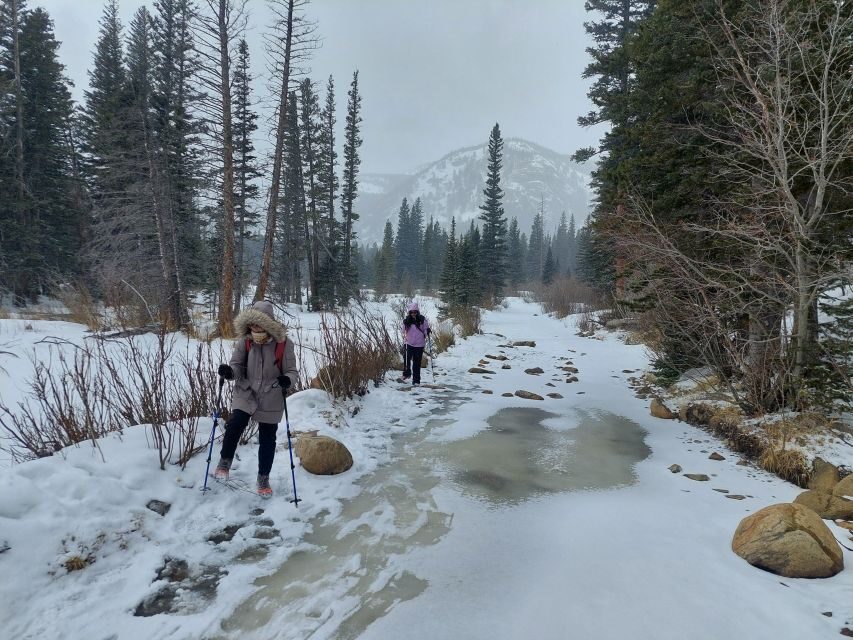
Snowshoeing outside Denver feels like a winter reset. You’ll head about 1.5 hours past Nederland to hike in the Rockies, usually 4 to 4.5 miles, with options that can mean an alpine lake or a historic ranch area with 100+ year structures. Two things I really like are the mountain-and-lake views and the small-group guidance that keeps you on track when trails aren’t obvious.
There’s one trade-off to plan for: the tour supplies traction and trail gear, but you’ll still need to bring your own warm winter jacket, gloves, hat, and boots. If you show up underdressed, the day stops being fun fast.
In This Review
- Key Things You’ll Love
- The Denver-to-Rockies Day That Actually Feels Manageable
- How the 6-Hour Plan Works (Drive, Hike, Lunch, Return)
- Rockies Views: Alpine Lakes and Those 100-Year Ranch Structures
- The Near-Denver Alternatives: Bison Preserve and Red Rocks Ruins
- Snowshoes vs. Microspikes: Traction That Fits the Conditions
- What the Guide Really Adds: Pace, Photos, and Local Tips
- What’s Included vs. What You Must Bring
- Price and Value: Is $145 a Fair Deal?
- Who This Snowshoe Day Fits Best
- Should You Book This Denver Snowshoeing Day?
- FAQ
- How long is the snowshoeing experience?
- What does the $145 per person price include?
- How far do you hike during the main Rockies route?
- Is there an easier hike option near Denver?
- Does the tour always use snowshoes?
- How many people are in each group?
- What language is the guide?
- Where do we meet if I’m not picked up?
- Does the tour provide winter boots, gloves, or a jacket?
- Who should not book this tour?
Key Things You’ll Love
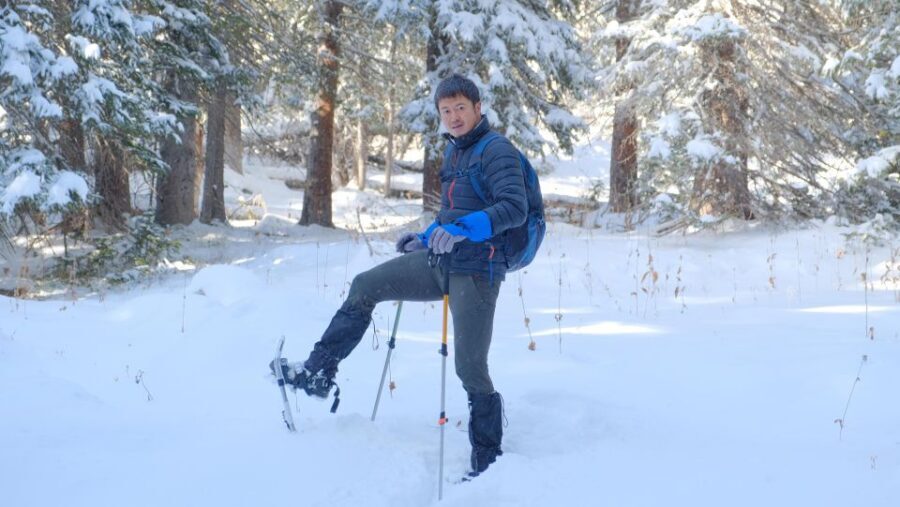
- Small group (max 6) means more time with your guide and less waiting in the snow
- Jeremy-style guiding focuses on pace, photos, and safety on unmarked winter trails
- Two route types: a deeper Rockies hike (4–4.5 miles) or a nearer, easier 3.5-mile option
- Snowshoes or free microspikes depending on conditions, plus poles and gaiters
- Trail lunch included with a sandwich, chips, snacks, and water
- Fewer-crowd feel as you go farther into the mountains
The Denver-to-Rockies Day That Actually Feels Manageable
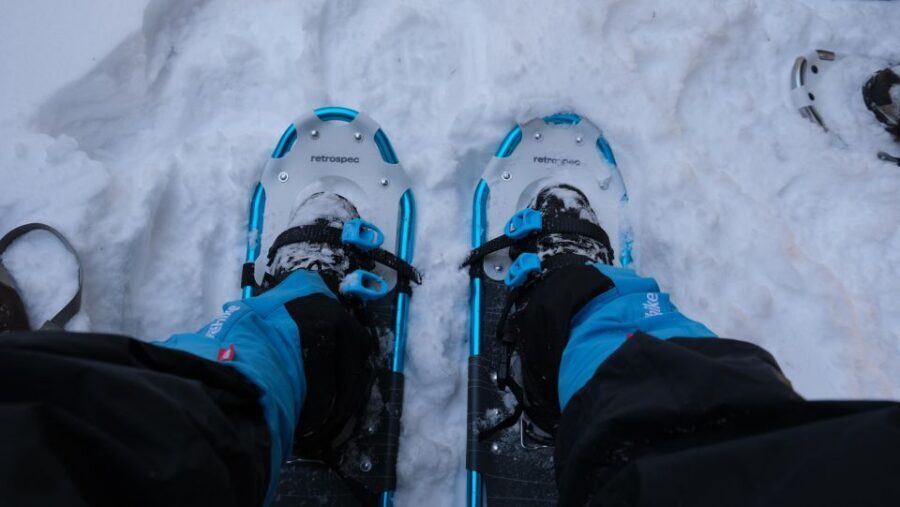
This isn’t a “drive forever, hike until you’re miserable” kind of winter outing. The sweet spot here is how the day is built for real people: you’ll spend time moving through snow, but the plan keeps things organized and practical.
The guide side matters, too. Winter trails can be hard to read, especially when snow covers markings. A guide helps you stay oriented, and it also changes the vibe. Instead of worrying about where to step next, you can focus on the views and the quiet feeling of snow season.
With a max group size of 6, you’re not negotiating around a big crowd. That makes photo stops easier and keeps the hike from stretching into a long, stop-and-start shuffle. It also helps the guide adjust the pace for different comfort levels, which is a big deal on snow days.
One more detail I appreciate: you’ll have a simple, included lunch on the trail. When it’s cold, the best plan is the plan that keeps you from needing to find food halfway through.
Other hiking tours in Denver
How the 6-Hour Plan Works (Drive, Hike, Lunch, Return)
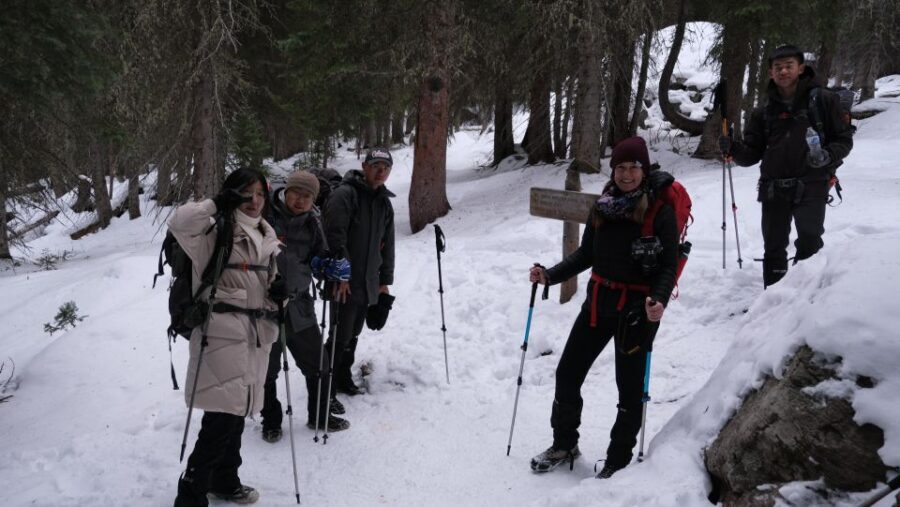
You’re looking at a 6-hour total duration, which is long enough to feel like you really got out into winter, but not so long that it eats your whole day.
Here’s what the timing is designed to do:
First, you’ll either be picked up close to Denver or meet at the set address. Then you’ll drive into the mountains and reach the trailhead. The deeper Rockies option includes about a 1.5-hour drive past Nederland, so you’ll trade some city time for mountain quiet.
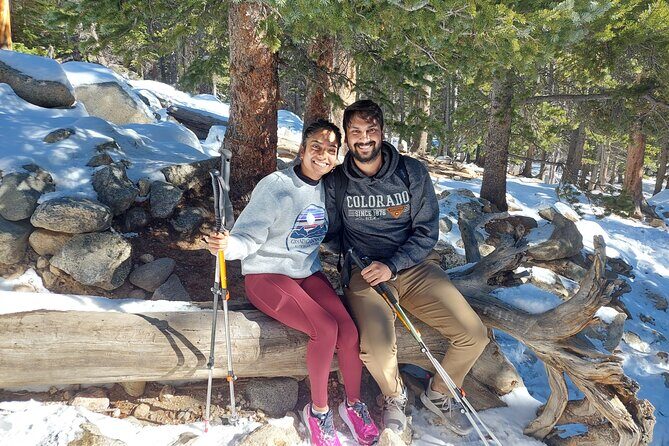
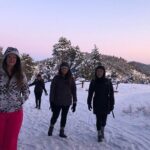
Next comes the hiking part. The typical Rockies hike runs 4 to 4.5 miles. Depending on conditions and season, you’ll go toward either an alpine lake area or a historic ranch with structures older than 100 years. You’ll move at a winter-appropriate pace, with time to stop and take photos.
Lunch is part of the plan, not a random idea you should remember to pack. You’ll enjoy a sandwich, chips, snacks, and water on the trail.
Then it’s back downhill to the van and the drive home to Denver. The whole structure keeps you from guessing, and it also keeps everyone moving together.
Rockies Views: Alpine Lakes and Those 100-Year Ranch Structures
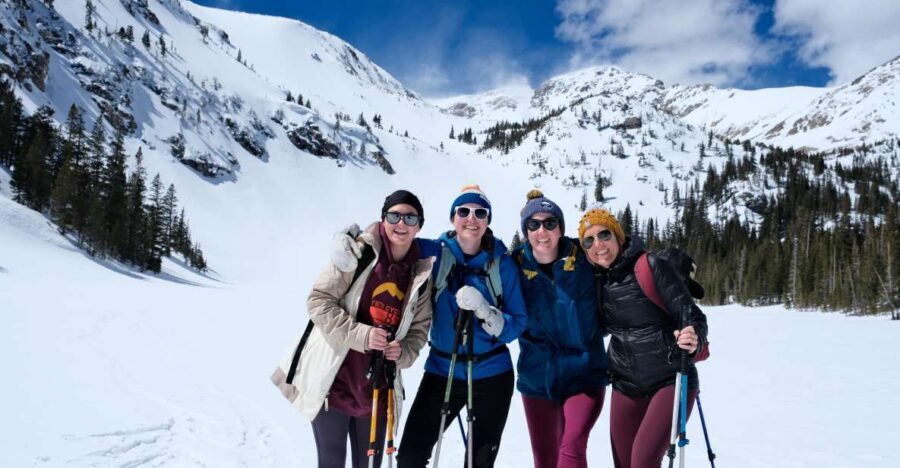
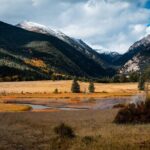
If you want that classic Colorado winter feeling—clean air, wide views, and snow turning everything softer—you’ll usually get it on the Rockies route. The hike commonly targets an alpine lake setting, which means you’re walking toward scenery that looks best with your own eyes, not a phone screen.
In some seasons, the route instead leans into a different kind of interest: you may visit a historic ranch area with structures dating back more than 100 years. That choice gives the outing a little extra texture. You’re not just ticking off a winter hike—you’re also seeing how ranch life shaped this region long before modern trails and signage.
Two things that make these routes worthwhile for you:
- The views reward the effort. Snowshoeing isn’t effortless, so it helps when the scenery payoff is clear from start to finish.
- You’re walking with fewer crowds. As you go deeper into the Rockies, it’s easier to feel like you’ve found your own slice of winter, even though you’re guided and not alone.
A potential downside? The routes vary with season and conditions. That’s part of the charm, but it also means you’re choosing a guided day, not a guarantee of one exact postcard spot.
The Near-Denver Alternatives: Bison Preserve and Red Rocks Ruins
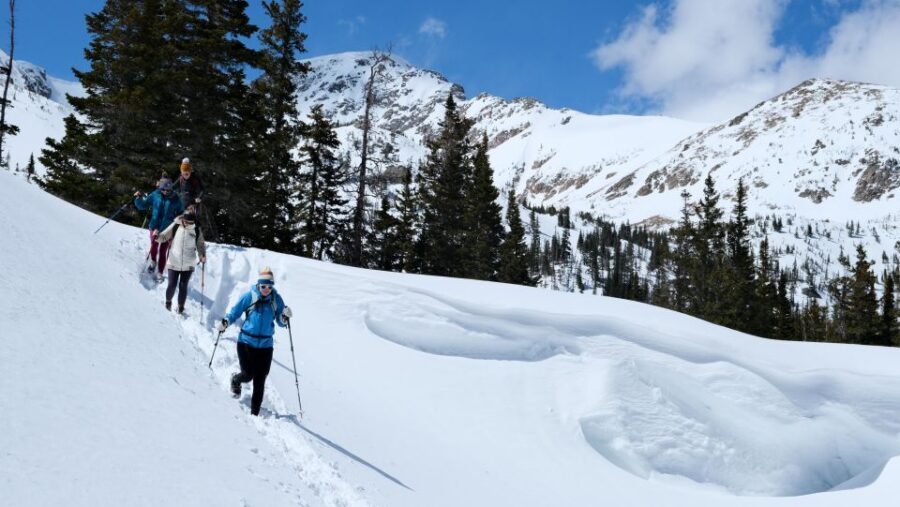
Not everyone wants to drive far into the mountains, even if they want snow. This experience includes closer options that still deliver the winter wow-factor.
For an easier, nearer plan, you can do a 3.5-mile hike around a bison preserve. The real hook here is the possibility of seeing bison up close near the fence if they’re nearby. That’s one of those experiences that feels oddly personal—like you’re watching winter life play out at ground level.
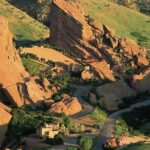
Another option near the Denver area is a hike to old castle ruins near Red Rocks, with amazing views. I like that this keeps the day flexible. If snow conditions make one route less comfortable, you may still get a memorable walk and a strong view without committing to the longer Rockies hike.
These closer options also help if you’re newer to snow travel. A 3.5-mile loop can be a calmer first try. And because you still have guide support, you’re not going solo in snow that hides the trail.
If you’re on the fence, think about your goal: solitude and deep Rockies views usually mean the longer hike. If you want a shorter day with wildlife and scenery nearby, choose the bison preserve or the Red Rocks area option.
Snowshoes vs. Microspikes: Traction That Fits the Conditions
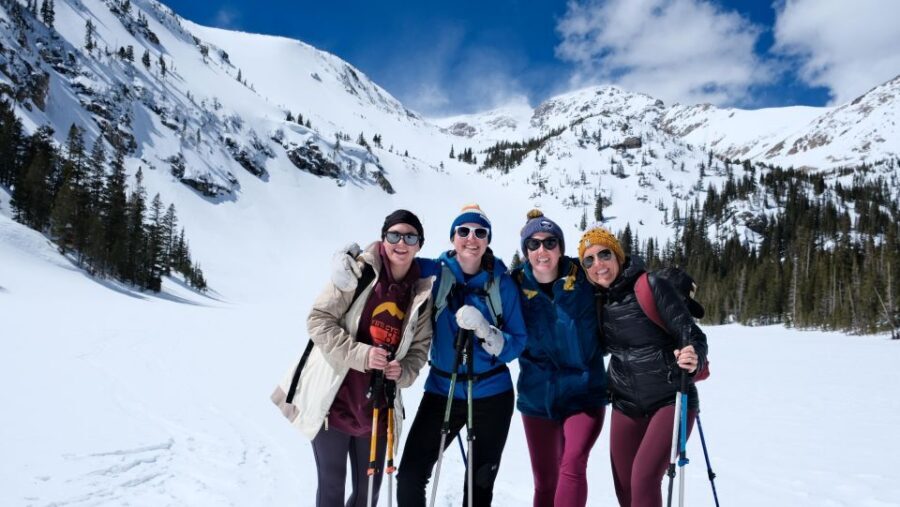
One of the smartest parts of this tour is that you don’t force the wrong gear for the day. Depending on snow and trail conditions, you might use snowshoes or microspikes.
Microspikes are often easier to manage over time, and they’re provided at no extra cost. They’re a good match for some winter trail surfaces where deep snow isn’t the main factor.
When snowshoes are used, you’ll still have support in the setup. You’re also provided hiking poles to help with balance, and gaiters to keep snow out of your boots. That last detail matters more than it sounds. Snow inside your boots turns a fun hour into a cold-to-the-bone problem.
Here’s a practical tip: dress for the worst-case scenario. Even if you end up on microspikes, you can still get cold during stops. Your best defense is layers and the right gloves and boots—because while the tour supplies poles and gaiters, it does not provide your core winter clothing.


What the Guide Really Adds: Pace, Photos, and Local Tips
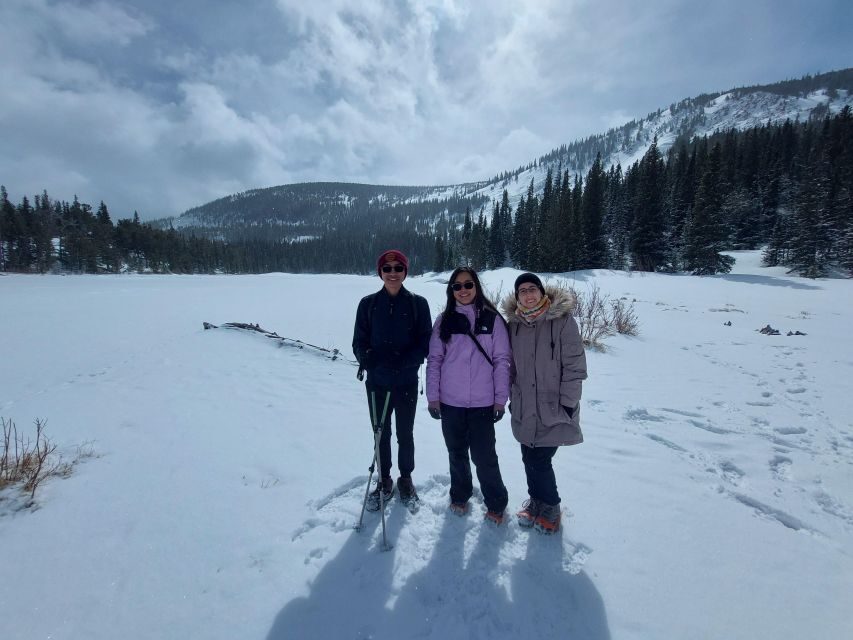
A guided snowshoe hike isn’t just about safety. It’s also about how you spend your time once you’re out there.
The guide support here is built around keeping the day smooth:
- You’ll have a live English-speaking guide
- You’ll be working with a small group of up to 6
- You’ll get flexibility for different fitness levels
In the reviews, the guide is repeatedly described as friendly, accommodating, and patient, and that shows up in the way the hike runs. You’re given time for photos, not rushed through every stop.
There’s also a very Denver bonus angle. One reviewer highlights that after the snowshoeing, the guide recommended other activities in Denver—so you walk away with not just a great day in the snow, but a couple ideas for what to do next.
And yes, there’s a comfort touch that fits the season: hot chocolate is mentioned as a nice add-on on a chilly day. It’s the kind of detail that makes a cold outing feel cared for.
If you’re the type who wants structure without feeling like you’re on a factory schedule, this guide style hits the mark.
What’s Included vs. What You Must Bring
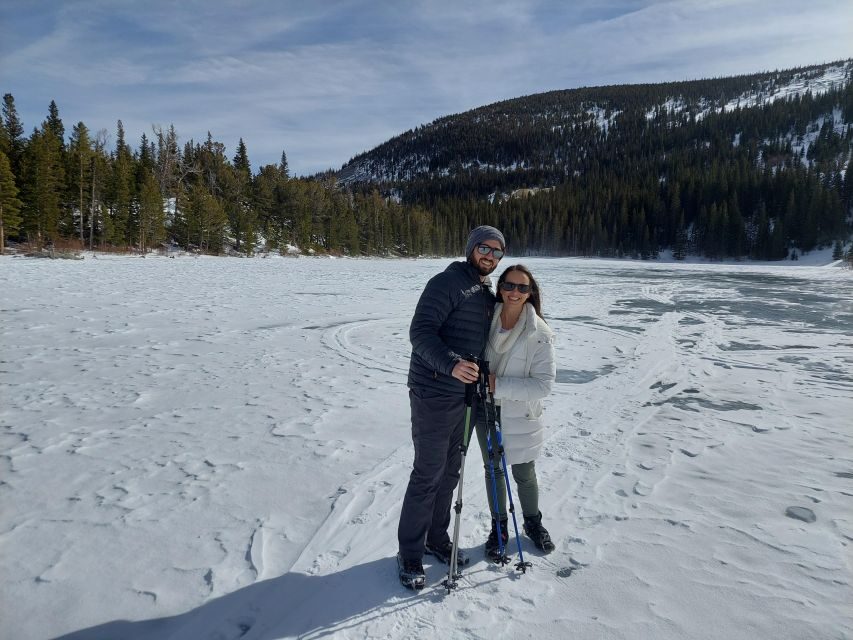
This tour does a lot of the heavy lifting for you. That’s a big value point in winter, because gear and rentals can turn into surprise expenses.
Included:
- Hotel pickup and drop-off within about 20 minutes of Denver
- Drive to and from the trailhead
- Lunch: a sandwich, chips, snacks, and water
- Snowshoes or microspikes
- Gaiters to keep snow out of your boots
- Hiking poles
- Live English guide
- Small group experience
Not included (you bring these):
- Your own winter jacket
- Gloves
- Hat
- Boots
- Any other winter layers you need to stay comfortable
This matters because winter discomfort isn’t forgiving. The tour gear supports balance and snow management, but your hands and feet are on you. If you’ve got warm layers and traction-friendly boots, you’ll enjoy the day far more.
Price and Value: Is $145 a Fair Deal?
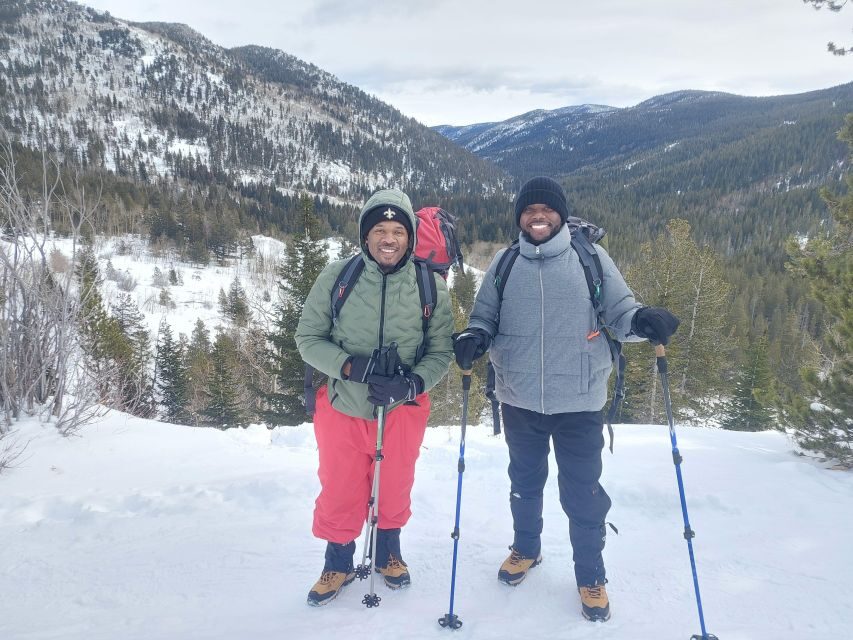
At $145 per person for about 6 hours, this is not the cheapest way to spend a half-day. But winter tours often cost more because of driving time, guide time, and the fact that you’re included in gear and logistics.
Here’s where the value shows up for you:
- You get pickup and drop-off in the Denver area
- You get round-trip transport to trailheads in the Rockies region
- You don’t have to worry about renting snowshoes or microspikes
- You get poles, gaiters, and lunch baked into the cost
So you’re paying for a turnkey winter experience. In plain terms: you show up warm enough, and the rest is handled. If you’ve ever tried to DIY snowshoeing with the wrong gear, the time and stress you save can be worth a lot.
The small group size also supports the price. You’re not crowding with a dozen strangers, and that makes the hike more pleasant.
Who This Snowshoe Day Fits Best
This is a good fit if you want a winter outing that feels real and active, without turning into a fitness test.
It’s described as challenging but not too difficult, and the guide is noted for accommodating different fitness levels. That combination is ideal for:
- First-timers who want help with route finding and traction decisions
- People who like photos and don’t mind stopping often
- Small groups of friends who want a guided experience without a big bus crowd
It’s probably not a fit if you:
- Need a fully flat, ultra-easy walk (routes can vary, and snow travel adds effort)
- Have medical limits that make winter hiking unsafe
- Are in groups listed as not suitable (the tour states people over 95 years, people with pre-existing medical conditions, and pregnant women are not suitable)
If you fall into the healthy-adult category and you can dress properly for cold weather, you should feel comfortable going into this with the right expectations: you’ll work a bit, but you won’t be lost or guessing.
Should You Book This Denver Snowshoeing Day?
I’d book it if you want three things: guided snowshoeing in the Rockies, a small group pace, and a setup that removes the winter hassle.
Pick this tour if:
- You want either an alpine lake or a 100-year ranch style hike
- You like the idea of traction tools handled for you, whether that ends up as snowshoes or microspikes
- You appreciate that lunch and warm-break support are built into the day
- You’d rather have a guide than deal with snow-covered, unmarked trails
Skip it or reconsider if:
- You don’t plan to bring proper winter clothing and boots
- You need a medical or physical situation that makes winter hiking unsafe
If you’re trying to decide for a winter trip to Denver, this is one of the more straightforward ways to get into real snowy country without turning the day into gear shopping and route guessing.
FAQ
How long is the snowshoeing experience?
It lasts about 6 hours.
What does the $145 per person price include?
Pickup and drop-off near Denver, drive to and from the trailhead, lunch (sandwich, chips, snacks) plus water, and snow travel gear like snowshoes or microspikes, gaiters, and hiking poles.
How far do you hike during the main Rockies route?
The hike is typically 4 to 4.5 miles.
Is there an easier hike option near Denver?
Yes. There’s a closer option that’s about 3.5 miles around a bison preserve. There’s also an option to hike to old castle ruins near Red Rocks.
Does the tour always use snowshoes?
No. Depending on trail conditions, you may use snowshoes or microspikes. Microspikes can be used as an easier option and are provided at no extra cost.
How many people are in each group?
The group is small, limited to 6 participants.
What language is the guide?
The tour provides a live guide in English.
Where do we meet if I’m not picked up?
You can meet at 2915 Welton St, Denver, CO 80205.
Does the tour provide winter boots, gloves, or a jacket?
No. It provides some trail equipment (like gaiters, poles, and snow traction), but you need to bring your own winter jacket, gloves, hat, and boots.
Who should not book this tour?
The tour states it is not suitable for people over 95 years, people with pre-existing medical conditions, and pregnant women.