REVIEW · DENVER
Nightingale Puzzle Room Experience
Book on Viator →Operated by Golden Puzzle Room · Bookable on Viator
Tick-tock puzzles in a tea house. The Nightingale Puzzle Room in Denver turns a themed setting called the Golden Tea House into a clue-hunting challenge with a 60-minute countdown.
I like how the game has you searching for the nightingale through puzzles and clues, not just wandering around. I also like the fact it’s limited to your group only, so the experience feels more personal than the usual crowded-room setup.
The only catch is the time pressure. You’ll need to stay organized fast, because the clock is part of the challenge, not just a countdown.
In This Review
- Key Things I Think You’ll Notice Right Away
- Nightingale Puzzle Room at a Glance: what you’re really buying
- Where You’ll Go in Lakewood (and how the timing works)
- Entering the Golden Tea House: what you’ll do from minute one
- The 60-minute challenge: how to beat the clock without panicking
- Private-by-design: what the limited group size changes
- Staff, story, and why the backstory matters in a puzzle room
- Who this is best for (kids, adults, and mixed groups)
- Price and value: is $33 per person worth it?
- Booking timing and what to bring
- Weather and Denver reality: plan around the good-weather requirement
- Should you book the Nightingale Puzzle Room?
- FAQ
- How long is the Nightingale Puzzle Room experience?
- Where does the experience start and end?
- Is this puzzle room private or shared with other groups?
- What language is the experience offered in?
- Do I need a mobile ticket?
- Is free cancellation available?
- Are service animals allowed?
Key Things I Think You’ll Notice Right Away

- Private group play: limited to your team for a more tailored experience
- Golden Tea House theme: you’re solving inside a clearly designed world
- 60-minute deadline: the pace stays brisk from start to finish
- Family-friendly format: works for kids and adults
- Mobile ticket: you’ll rely on your phone at check-in
Nightingale Puzzle Room at a Glance: what you’re really buying

This is a puzzle-room experience branded as the Nightingale Puzzle Room, offered by Golden Puzzle Room in the Denver area. You’ll spend about 1 hour total, with roughly 60 minutes inside the challenge to search for clues and solve your way to a final goal.
The price is $33 per person. That’s a solid “activity-night” cost when you want something interactive that doesn’t require renting anything or booking extra tickets. In practice, you’re paying for setup time, a dedicated themed room, and the pressure-cooker element of a timed puzzle challenge.
Based on the rating shown (5 out of 5 from 4 reviews), people seem to think the experience is fun and well run, with the staff and the story details standing out.
The one thing to think about before you book: this game moves fast. If your group tends to take its time, you’ll still do better when you speed up your teamwork.
Other escape rooms and mystery experiences in Denver



Where You’ll Go in Lakewood (and how the timing works)

The meeting point is 1350 Independence St, Lakewood, CO 80215, USA. The experience ends back at the same meeting point, so you’re not dealing with complicated drop-off or a long transfer across town.
Since it’s near public transportation, you have options if you’re not driving. That’s useful in a city like Denver where parking can be unpredictable on busy days.
In terms of timing, the experience is designed around that 60-minute in-room challenge. Even though the full experience is listed as approximately 1 hour, you should plan for a little time at the start and end for check-in and briefing.
Also note the practical detail: confirmation is received at time of booking. So before you go, make sure you’ve got your confirmation handy in your usual booking account or message.
Entering the Golden Tea House: what you’ll do from minute one
Once you arrive, you and your team are placed into a themed puzzle room. The big idea is straightforward: you will search for clues, solve puzzles, and work toward a final goal while time ticks down.
The theme you’re working inside is called the Golden Tea House, and the mission is tied to finding the nightingale. That matters because the clues aren’t just random riddles. They’re presented as part of the room’s story and layout, so when you focus on the room details, you’re also doing the puzzle work.
From a practical point of view, this kind of room shines when your group splits tasks quickly:
- One or two people can look for visual clues.
- Someone else can stay focused on puzzle components you’ve already found.
- Another person can keep track of ideas so you don’t repeat the same effort.
The best runs tend to feel less like you’re solving one puzzle and more like you’re managing a team task list under a deadline.
The 60-minute challenge: how to beat the clock without panicking

You only get 60 minutes, and the experience is built around that urgency. That can sound stressful, but it’s also what makes this type of activity feel exciting instead of slow.
Here’s how I’d approach it so you’re not relying on luck:
1) Get organized immediately
Spend the first few minutes agreeing on roles. If everyone tries the same puzzle at once, you waste time. If everyone goes off in different directions without sharing, you also waste time. A simple plan helps.
2) Treat every find as “information,” not a win
A clue might not make sense instantly. What matters is collecting it, noting where it fits, and trying it with the group. In timed rooms, the winning teams tend to keep moving instead of getting stuck on one dead end.
3) If something feels stuck, switch
Don’t burn 15 minutes on one approach just because you started with it. Rotate. Try a different section of the room or a new puzzle angle. You’ll often find progress by changing who is working on what.
4) Keep talking
This sounds obvious, but in practice it’s the difference between a fun team challenge and a frustrating one. Even quick updates like I found something by the door or I think this clue belongs with the next puzzle keep the whole team from duplicating work.
The timer is the real “host” of the experience. The room asks you to stay calm while moving fast. That balance is exactly why people describe it as fun right away.
Private-by-design: what the limited group size changes

One of the standout points is that it’s limited to just your group. That changes the feel of the room.
In a shared setting, you can get distracted by other teams coming and going, or you might feel like you’re competing for attention. In a private setup, you’re more likely to settle in quickly and stay focused.
It also tends to help with flow. Your team can ask questions when needed, and the staff can focus on your group without juggling multiple parties at once.
And for families, private group play can be a big deal. Kids often do better when the activity feels tailored to them rather than surrounded by strangers. Adults enjoy it too because you can keep your momentum without interruptions.






Staff, story, and why the backstory matters in a puzzle room
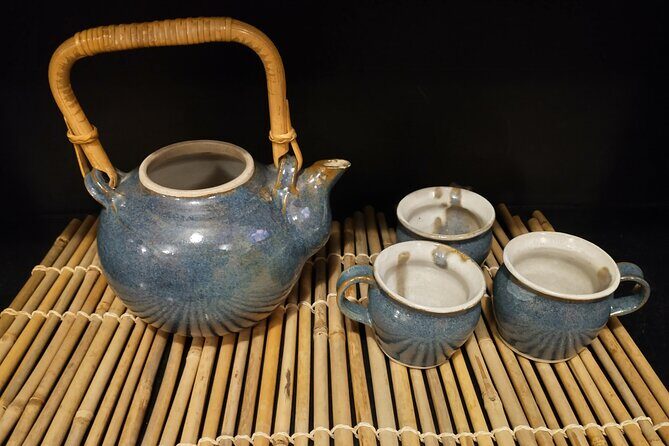
Even without getting lost in long explanations, the experience is clearly built with a story in mind. Reviews highlight that the backstory adds an extra touch, and that the staff is amazing.
That matters because in puzzle rooms, the story isn’t just decoration. It influences how clues are presented and how you interpret what you see. When the setting feels coherent, you’re more likely to notice details you’d otherwise ignore.
The practical takeaway: don’t rush past the theme details. If the room looks like it’s telling you something, it probably is. In these games, your eyes are often the main tool. Slow down for a few seconds when something catches your attention, then move on with renewed purpose.
Who this is best for (kids, adults, and mixed groups)
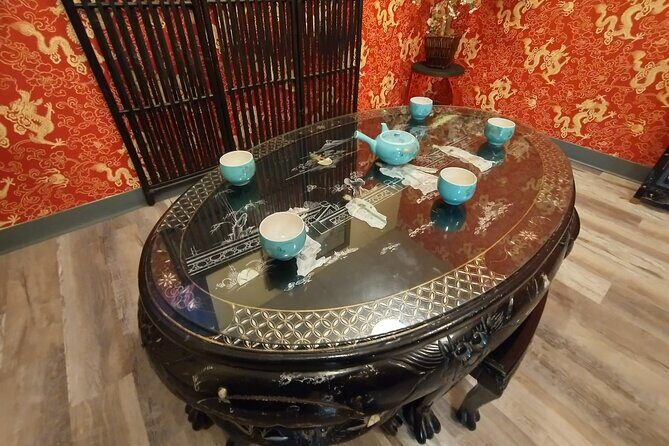
This is described as great for kids and adults, and that lines up with the format: team puzzle-solving with a clear time limit.
I think it’s a strong choice if you want:
- A family activity that’s not only watching and waiting
- A group outing that doesn’t require advanced physical skills
- Something that feels social, because you’re collaborating the whole time
It also says most travelers can participate, which is helpful when you’re choosing between options that might have stricter requirements. Still, if your group has any concerns about fast-paced activities, the 60-minute clock is the key detail to weigh.
If you’re traveling as a couple, it also works. You’ll just want to communicate well, especially if one person naturally tries puzzles while the other reads clues and narrates patterns.
Price and value: is $33 per person worth it?
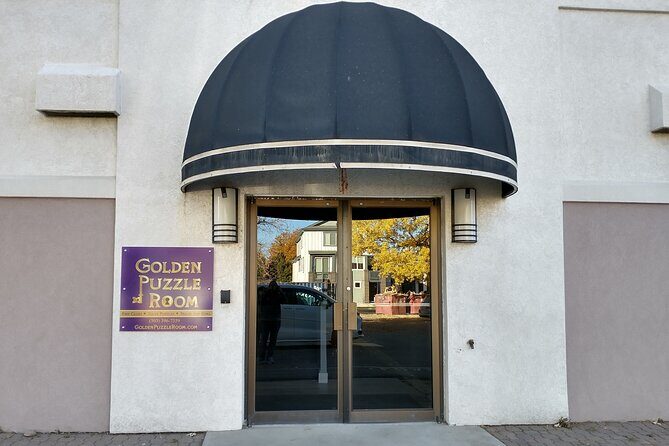
At $33 per person, you’re paying for a scheduled, guided, themed puzzle-room experience with a private group setup. For many groups, that price feels fair because you get an entire event with a definite start and end, plus built-in structure.
The value part is less about the math and more about what you’re getting:
- A dedicated themed space (not a DIY activity)
- A clear 60-minute mission with a goal
- Team interaction you can’t replicate at home
- A private group format, which often makes the experience feel smoother
If you’re the type of traveler who likes hands-on activities, puzzle rooms are one of the better “time-efficient” options. They fit into a day, they don’t require long travel once you’re there, and you get a memorable story from your own teamwork.
I’d consider skipping only if your group strongly dislikes timed challenges or prefers quieter attractions.
Booking timing and what to bring
On average, this is booked about 7 days in advance, so if you’re traveling during a busy period, it’s smart to plan ahead rather than waiting until the last minute.
You’ll also use a mobile ticket. That means your phone is the key item. Make sure it’s charged and that you can access your ticket without digging through ten apps.
As for what to bring, the data doesn’t list specific requirements, so I’d keep it simple: arrive with the confirmation you received at booking time and show up ready to work as a team. Comfortable clothes help, and water is always a good idea for Denver days.
If you’re traveling with a group including someone who uses service animals, the experience states that service animals are allowed.
Weather and Denver reality: plan around the good-weather requirement
This activity requires good weather. That’s a straightforward warning sign: if conditions aren’t right, it may be canceled.
The good part is how the policy is handled. If it’s canceled due to poor weather, you’ll be offered a different date or a full refund. So you’re not stuck losing the money.
My practical advice: if you have flexibility, try to book for a day where you expect decent weather. Denver can flip quickly, so having a backup plan is smart.
Should you book the Nightingale Puzzle Room?
I’d book it if you want a fun, family-friendly team activity that doesn’t drag on. The timed format gives it energy, and the private group setup makes it feel more personal than shared escape-style games.
I’d think twice if your group hates pressure or prefers slow, open-ended sightseeing. The 60-minute clock is the deal. It’s part of the experience, not an optional feature.
If your group likes solving puzzles, talking things through, and chasing a clear goal, this is the kind of outing you’ll likely want to do again soon.
FAQ
How long is the Nightingale Puzzle Room experience?
It’s listed as about 1 hour total, with 60 minutes to complete the puzzle challenge.
Where does the experience start and end?
It starts at 1350 Independence St, Lakewood, CO 80215, USA and ends back at the same meeting point.
Is this puzzle room private or shared with other groups?
It’s private. Only your group will participate.
What language is the experience offered in?
The experience is offered in English.
Do I need a mobile ticket?
Yes, a mobile ticket is part of the experience.
Is free cancellation available?
Yes. Free cancellation is available up to 24 hours in advance for a full refund.
Are service animals allowed?
Yes, service animals are allowed.