REVIEW · DENVER
Tip Based: Capitol Hill History & Ghost Tour
Book on Viator →Operated by Best Tours of Denver LLC · Bookable on Viator
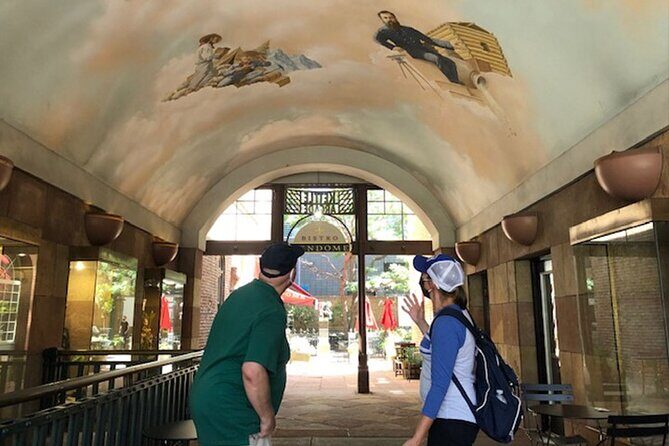
Capitol Hill has a darker side. This Denver ghost tour pairs Victorian-era mansion lore with real neighborhood history as you stroll through some of the city’s most photogenic streets. Expect haunted-house tales, gossip about old residents, and stops that feel like a guided walk through a rumor mill.
Two things I really like: the guide-led storytelling is playful and informed, and it’s the kind of tour where your questions actually get time. If you get guides like Bill, Sheila, or Kim, you’ll feel the energy—engaging stories, plenty of details, and a relaxed pace that doesn’t rush you out the door.
One thing to keep in mind is that this is still a walking tour, and it can run a bit longer than the headline duration. Plan for good walking shoes and a couple hours you can fully “stay with the group,” especially if your guide is keeping the momentum going.
In This Review
- Key highlights worth planning around
- Why Capitol Hill works so well for a ghost tour
- Price and timing: what $99 buys you (and why it feels fair)
- Meeting point on Sherman Street and how the morning flows
- The walking route: mansions, mansions, then the city view
- Crawford Hill Mansion and Poets Row: Sherman District character
- The Colorado State Capitol: when ghosts meet civic pride
- Haunted Sheedy and Peabody Whitehead: great photos, sharper stories
- 13th Street’s eclectic feel and the charm of a changing block
- Creswell Mansion to the Molly Brown House: where the stories get personal
- Keating, Crooke Patterson, and the end-of-tour payoff
- How the guides drive the experience (Bill, Sheila, Kim)
- Tips: appreciated, not required
- Who should book this ghost-and-history walk
- Should you book the Capitol Hill History & Ghost Tour?
- FAQ
- How long is the Capitol Hill History & Ghost Tour?
- Where does the tour start?
- What time does the tour begin?
- How much does the tour cost?
- Is the tour private?
- What’s included in the ticket price?
- Is there a break during the tour?
- Are service animals allowed?
- Is tipping required?
- Can I cancel and get a full refund?
Key highlights worth planning around
- Capitol Hill on foot with a relaxed pace through one of Denver’s most historic neighborhoods
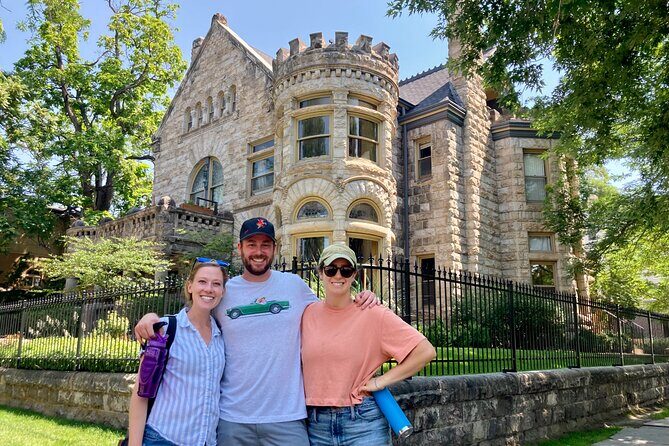
- Haunted mansion photo stops with multiple famous homes along the route
- A coffee-shop break in the middle of the walk to reset and regroup
- Sherman Towers Penthouse views from 15 stories up, with Rocky Mountain sightlines
- Guide storytelling with Q and A time so you can steer what you ask about
- Private group vibe where only your group participates
Why Capitol Hill works so well for a ghost tour
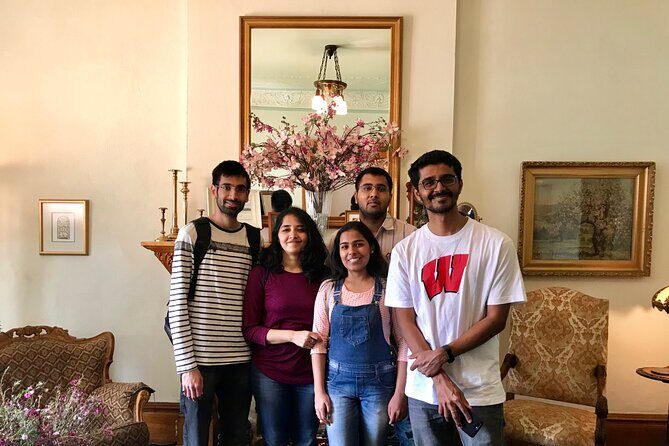
Capitol Hill is the perfect setting for ghost stories because it’s all old bones and grand facades. You’re walking through streets built for long views, wide sidewalks, and architecture that makes it easy to picture what life looked like when these homes were new.
What makes this tour especially fun is that it doesn’t treat Denver like a backdrop. It gives you context for the people and eras behind the buildings, then layers in the haunted narratives. That combo—history plus story—helps the whole route feel like it has a point, not just a series of spooky stops.
You’ll also be able to take pictures without feeling like you’re racing the light. The tour is paced for strolling, so you’re not only listening—you’re looking, too.
Other ghost and haunted tours we've reviewed in Denver



Price and timing: what $99 buys you (and why it feels fair)
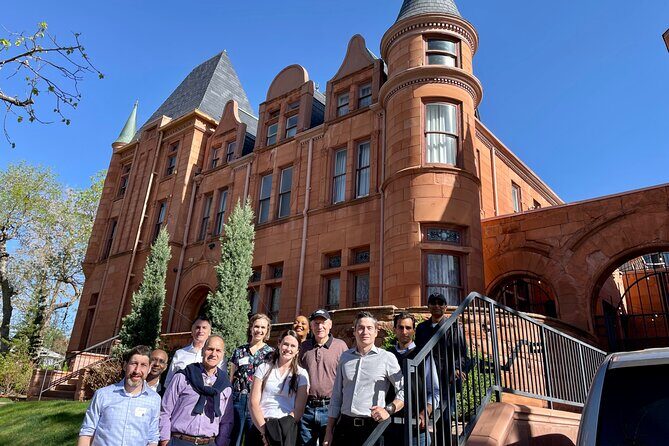
At $99 per person, this tour sits in the “you’re paying for the guide” category. And that’s exactly what you get: a tour escort/host and a guided route built around famous addresses, haunted talk, and history facts.
The time window is listed at about 2 hours, but you should think of it as “about a morning walk.” On the ground, it can stretch closer to almost 3 hours without ever feeling rushed. That matters because a longer, well-paced guide tour usually beats a shorter, faster one—especially when you want photo time and conversation.
The tour also uses a mobile ticket, which is handy if you’re trying to keep your trip paper-light. And because it’s set up as a private tour/activity for your group, you’re not sharing the experience with strangers who might derail the vibe.
Meeting point on Sherman Street and how the morning flows
The tour starts at 901 Sherman St, Denver, CO 80203, with a 10:00 am start time. If you’re using public transportation, the meeting area is described as being near public transportation, which is useful if you don’t want to hunt for parking.
A good trick for tours like this: arrive a few minutes early, use the time to get oriented, then settle in. Since you’ll be walking from stop to stop, you’ll enjoy the start more if you’re not fiddling with your phone or bag straps the first five minutes.
The biggest pacing win is the built-in reset. There’s a short break in the middle of the tour at one of Capitol Hill’s trendy coffee shops. That means your legs aren’t just absorbing stories—you’re also getting a break from the outside temperature and a chance to grab a drink or snack.
The walking route: mansions, mansions, then the city view
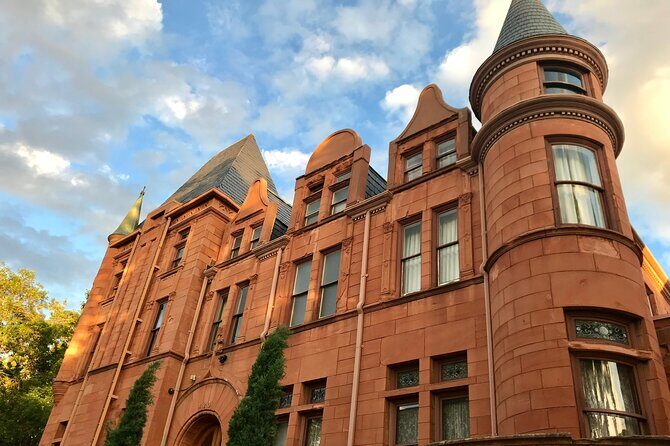
This tour is basically a curated route through Denver’s most story-friendly addresses. It starts with mansion heavyweights, then keeps the momentum going through historic districts and major landmarks, ending with an elevated payoff.
You’ll move through areas tied to older residential life and landmark status, including the Colorado State Capitol. Then the route shifts into even more house-focused storytelling, hitting multiple “haunted” properties and the colorful street energy around 13th Street.
By the end, you’re not just standing on sidewalks anymore. You’ll finish with a climb to an unforgettable viewpoint at the Sherman Towers Penthouse, where the city and the mountains share the same frame.
Crawford Hill Mansion and Poets Row: Sherman District character
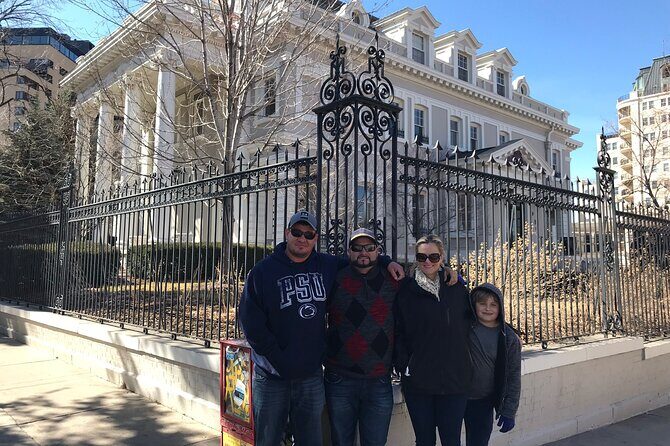
Early on, you’ll hit Crawford Hill Mansion. This is the kind of stop where the architecture does half the work. Even if you’re not a “history buff,” you’ll probably find your brain automatically filling in what these rooms and entryways were built to impress.
Next is Poets Row in the Historic Sherman District. Poets Row sounds literary, but the real value here is how it connects people, place, and the feel of the neighborhood in one stretch. You’re walking a district where the identity of the streets matters, not just the individual buildings.
Practical note: because this is an early portion of the walk, dress for comfort. The first part sets the tone, and if you’re cold or stiff, it can take the edge off the enjoyment.
Other historical tours in Denver






The Colorado State Capitol: when ghosts meet civic pride
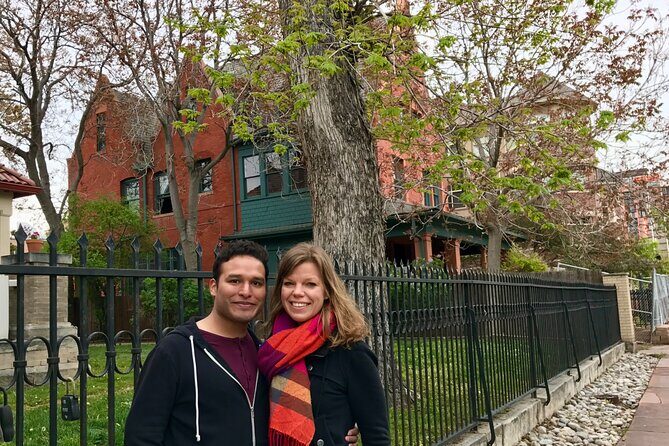
Stopping at the Colorado State Capitol gives the tour a useful curveball. Instead of staying purely in the “Victorian home” lane, you get a major civic landmark and a chance to hear how Denver’s identity ties to the eras these neighborhoods grew through.
This stop also changes the way your guide tells stories. Around big public buildings, the narrative often shifts from one household’s past to broader Denver themes. That’s good pacing because it keeps the tour from turning into a single note of mansion lore.
If you enjoy historical connections—who lived here, how the city developed, and why certain areas became prominent—you’ll likely appreciate the Capitol segment more than you expected.
Haunted Sheedy and Peabody Whitehead: great photos, sharper stories
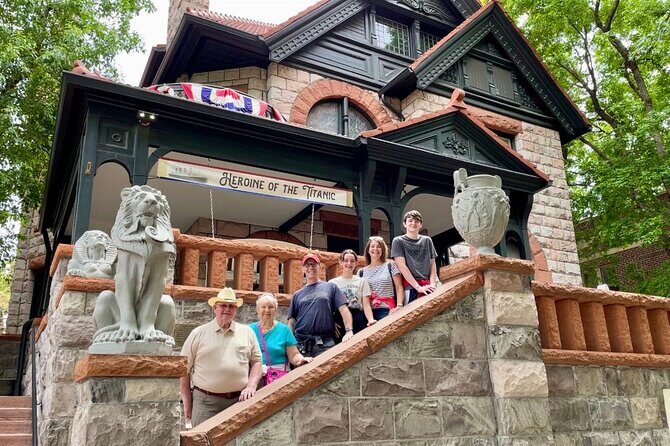
After the Capitol, the tour leans harder back into the “haunted dwelling” mood with stops like the Sheedy Mansion and the Peabody Whitehead Mansion. These are the kinds of addresses that make you pause, tilt your head, and then look again—because the details invite closer attention.
The tour also emphasizes excellent photo opportunities of famous haunted mansions. In practice, that means you’ll want your camera ready during these sections, since the whole point is to connect the architecture to the storytelling.
A small consideration: if you’re someone who doesn’t care for darker stories, this is the part where you’ll want to filter. But even then, the historical context tends to keep it interesting. The way the guide frames the scandal and gossip is part of the fun.
13th Street’s eclectic feel and the charm of a changing block
You’ll also walk through 13th Street, described as eclectic and diverse. This stop is important because it keeps the tour grounded in what Capitol Hill feels like today, not just what it looked like in the past.
That contrast helps the ghost stories land. Instead of treating the neighborhood like a museum, you can see how history lives alongside modern street life. It’s the difference between “old building, spooky legend” and “old building with a pulse.”
If you like people-watching on vacation, this is a good stretch for it. It’s also a moment when photos can look more natural because the streetscape has more movement.
Creswell Mansion to the Molly Brown House: where the stories get personal
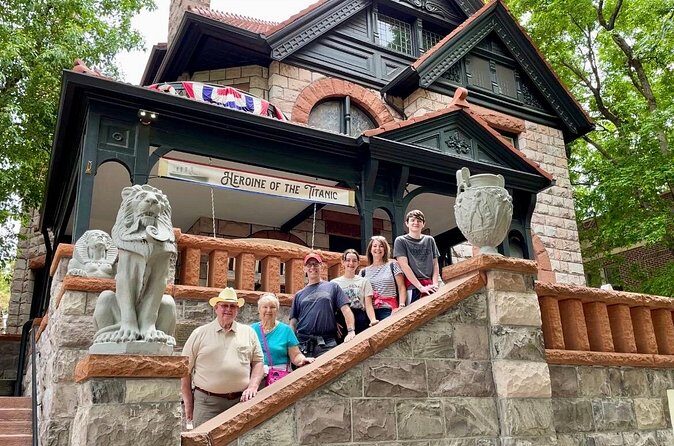
From Creswell Mansion the route continues into more famed haunted-house stops, including the Molly Brown House. This is one of the best segments for anyone who wants their ghost tour to feel connected to recognizable Denver names.
The value of this stretch is that the tour isn’t only scary talk. It links those stories to the reputation and legacy of the people tied to the homes. That approach makes it easier to remember what you heard, because you’re collecting names and addresses that feel like chapters.
You’ll also pass additional haunted stops such as the Dunning Benedict Mansion, the Keating Mansion, and the Dodge Gregory House. Each one keeps the narrative moving, but you’ll notice a pattern: the guide uses these houses to talk about wealth, ambition, and the kinds of scandals that used to travel fast—before social media, but with plenty of gossip horsepower.
Keating, Crooke Patterson, and the end-of-tour payoff
The route continues to more haunted properties, including the Crooke Patterson Mansion. By this point, you’ve usually developed a mental map of the neighborhood’s “story logic.” You know the kinds of details your guide tends to point out, and you’re primed to notice them yourself.
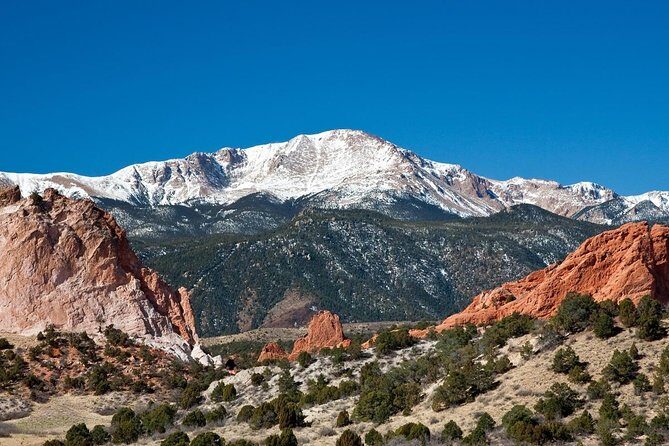
Then comes the finish: Sherman Towers Penthouse. This stop is described as 15 stories above the city of Denver, with spectacular views that can include Pikes Peak and Longs Peak. Even if clouds roll in, the general promise is clear: a big elevated perspective to close the tour.
This ending also helps you reset your brain. You’ve been in story mode for most of the walk, and then suddenly you’re looking out at the full geography of the area. It turns the tour from “spooky route” into “Denver in one view.”
How the guides drive the experience (Bill, Sheila, Kim)
A ghost tour lives or dies by the guide voice. The big praise in this experience is how well the guides keep things entertaining while also taking questions seriously. That’s exactly what makes it feel like a real tour and not a pre-recorded script.
Guides like Bill, Sheila, and Kim are highlighted for doing three things: keeping the stories lively, sharing interesting facts about Denver and its notable residents, and making time for questions. If you want to ask follow-ups—about a house owner, an era, or how the neighborhood changed—this is the kind of tour where your group won’t get cut off.
You can also expect that the guide blends humor and “gossip about the homes and their owners.” That’s a key ingredient for a Capitol Hill ghost walk because many of these stories sound dramatic even without a supernatural layer.
Tips: appreciated, not required
The tour listing makes the tipping stance simple: tips aren’t required, but if you feel your guide did excellent work, you can tip. Since this is a guide-driven experience, tips can be a nice way to support the kind of storytelling and time-taking you want on future trips.
Who should book this ghost-and-history walk
This tour is a strong fit if you like:
- History you can see: real buildings, real neighborhoods, real names
- Spooky stories with context, not just jump scares
- Architecture and photos, especially around famous mansions
- A guide who keeps the pace relaxed and answers questions
It may be less ideal if you’re expecting a highly theatrical, fully dark, “horror movie” experience. This is more Victorian-era storytelling and scandalous history than it is staged fear.
Should you book the Capitol Hill History & Ghost Tour?
I think it’s worth booking if you want Denver that feels specific and lived-in. For $99, you’re paying for a guided walk that links haunted narratives to where those stories actually happened—then caps it with a view from the Sherman Towers Penthouse.
One last practical tip: wear comfortable shoes and plan to stay mentally present for the whole route. The best payoff comes when you let the guide’s order of stops build a picture of the neighborhood.
If that sounds like your kind of morning, go for it. If not, Denver has plenty of history tours that lean more straightforward and less spooky—but for a mix of both, this one makes a lot of sense.
FAQ
How long is the Capitol Hill History & Ghost Tour?
It’s listed at about 2 hours, though the tour can run close to almost 3 hours depending on the group pace.
Where does the tour start?
The meeting point is 901 Sherman St, Denver, CO 80203.
What time does the tour begin?
The start time listed is 10:00 am.
How much does the tour cost?
The price is $99.00 per person.
Is the tour private?
Yes. It’s described as a private tour/activity, with only your group participating.
What’s included in the ticket price?
You get a tour escort/host.
Is there a break during the tour?
Yes. There is a short break in the middle of the tour at one of Capitol Hill’s trendy coffee shops.
Are service animals allowed?
Yes, service animals are allowed.
Is tipping required?
No, tips are never required. If you feel your guide did an excellent job, you can tip if you want.
Can I cancel and get a full refund?
Yes—free cancellation is available. You must cancel at least 24 hours before the experience’s start time for a full refund.