REVIEW · DENVER
Denver: Private Rocky Mountain National Park Wildlife Tour
Book on GetYourGuide →Operated by Alderman Guides · Bookable on GetYourGuide
Your best wildlife sightings start with the drive. This private Rocky Mountain National Park wildlife tour from Denver puts you in a TRD Pro and aims you at the next animal hotspot with an expert naturalist guide.
If you did not get a timed entry pass, this experience is set up for you to bypass the timed entry system with an authorized guide. The one consideration: wildlife is never guaranteed, so you’ll get the most out of it by staying flexible, patient, and curious.
In This Review
- Why this tour works (quick hits)
- Denver Pickup and the Bright Orange TRD Pro Advantage
- Rocky Mountain National Park: Photo Stops, Scenic Drives, and Real Viewing Time
- Spotting Plan for Elk, Moose, Bighorn Sheep, Bears, and Predators
- Birding on the Move: Ptarmigan, Rosy-finches, and Beginner-Friendly Scanning
- Close-Up Gear: Binoculars and the Spotting Scope Moment
- Comfort, Altitude Reality Check, and the Walks You May Add
- Value for $595 for Up to Four (and When It’s Worth It)
- What to Bring and How to Dress for Foothills or High Country
- Should You Book This Denver to RMNP Wildlife Tour?
- FAQ
- Do I need a timed entry pass for Rocky Mountain National Park?
- How many people are in the group?
- Where is pickup and drop-off?
- What vehicle will the guide use?
- What languages are offered?
- How long is the tour?
- What’s included in the price?
- Is lunch included?
- What should I bring?
Why this tour works (quick hits)
- TRD Pro access: an off-road capable Toyota 4Runner built for rougher routes to better wildlife areas
- Guide-led wildlife searching: an expert naturalist helps you read habitat and behavior, not just chase views
- Binoculars plus a spotting scope: you’re not stuck looking far away
- Targets you can request: you can ask for specific species to raise your odds
- Birding skills on board: the guide can work for both new and experienced birders
- Denver pickup, private pace: you get picked up and dropped off, and the trip runs to your interests
Denver Pickup and the Bright Orange TRD Pro Advantage
This is the kind of day-trip planning that feels like a cheat code. You’re picked up in the Denver metro area, then you’re gone—no sorting out rental logistics, no crowd navigation, and no trying to guess which roads are worth it for wildlife.
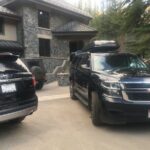
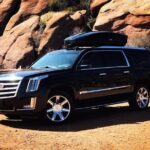
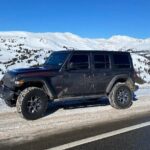
The vehicle matters. You’ll ride in a new Toyota 4Runner TRD Pro (the bright orange one is the tell), which gives the guide the option to head toward foothills or higher country depending on the season. That flexibility is a real advantage in Rocky Mountain National Park, where “same park, different world” can happen fast based on altitude, snowpack, and where animals are feeding or moving.
For a private group, the pacing is also the point. You’re not forced into a big bus routine. If you want more time photographing a meadow edge, or you want to slow down to scan a ridge, the guide can usually shape the day around that.
If you’re thinking about how this trip feels in your body, plan for some time outdoors in changing conditions. Even with a comfortable SUV, wildlife watching means stopping often, standing still sometimes, and looking longer than you expect.
Other Rocky Mountain National Park tours in Denver
Rocky Mountain National Park: Photo Stops, Scenic Drives, and Real Viewing Time
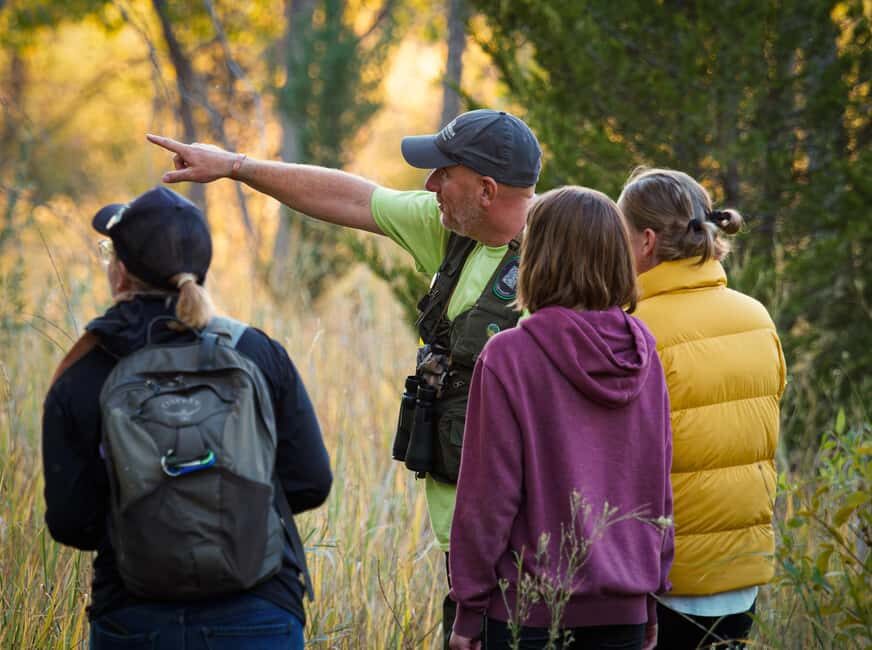
The day is built around one core idea: wildlife viewing is a timing and positioning game. You’ll spend hours in and around Rocky Mountain National Park with a mix of scenic driving, guided sightseeing, and time on foot. Expect photo stops, walks, and viewpoints that help you understand what you’re actually looking at.
A good wildlife guide doesn’t just know where animals might be—they understand how the terrain funnels movement. Roads, valley floors, creek corridors, and open edges all act like highways for animals. The scenic driving portion isn’t wasted time. It’s how you get your eyes into the right “neighborhoods” before you start scanning.
There’s also a practical reason for the guided structure: your time in the park is limited, so you don’t want to spend it guessing. With this setup, you’re using the guide’s instincts and experience to turn long drives into focused search patterns.
One more factor: season. The trip notes that you’ll go to wildlife hotspots either in the foothills or the high country depending on when you travel. That matters for what you might see and how you’ll dress—some areas call for warmer layers, and others can be icy or muddy at road pullouts.
Spotting Plan for Elk, Moose, Bighorn Sheep, Bears, and Predators
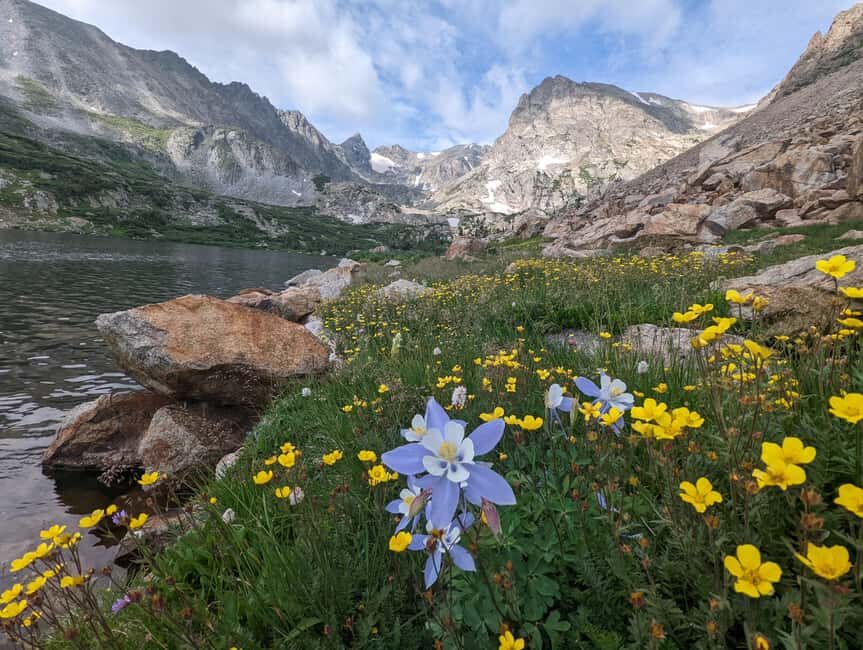
Here’s the honest part: no one can promise you a bear or a wolf on a specific minute. But this tour is set up to give you solid chances by targeting multiple species and adjusting as conditions change.
The main wildlife targets include:
- Elk
- Moose
- Rocky Mountain bighorn sheep
- Yellow-bellied marmots and pika
- Bear (species not guaranteed, but bear viewing is part of the aim)
- Coyote, wolf, bobcat, mountain lion
That list is wide on purpose. In Rocky Mountain National Park, different animals lean toward different habitats. Elk often show up around open feeding areas and edges. Moose are usually tied to water and wetland edges. Bighorns tend to show up where the rock makes sense for climbing and safety. Small mammals like pika and marmots are all about talus, rock piles, and the kind of ground you’d normally walk right past.
The customization piece is what I like most for serious wildlife fans. If you have a specific target—say you really want bighorns or you’re hoping for a predator track—the guide can tailor the route and attention to increase your odds. It’s not magic, but it does prevent the common mistake of treating a wildlife day like a generic sightseeing drive.
From the feedback shared for this tour, guides such as Bart (and other guides referenced as Brad) are the type who answer questions as you go. That’s important because wildlife viewing gets more enjoyable when you understand why animals are where they are—time of day, food sources, weather, and even how other animals react nearby.
Birding on the Move: Ptarmigan, Rosy-finches, and Beginner-Friendly Scanning
If you like birds, this tour gives you a clear advantage: the guide is an expert birder and can adjust the birding level to you. That means beginners aren’t left behind, and experienced birders can still aim for specific targets.
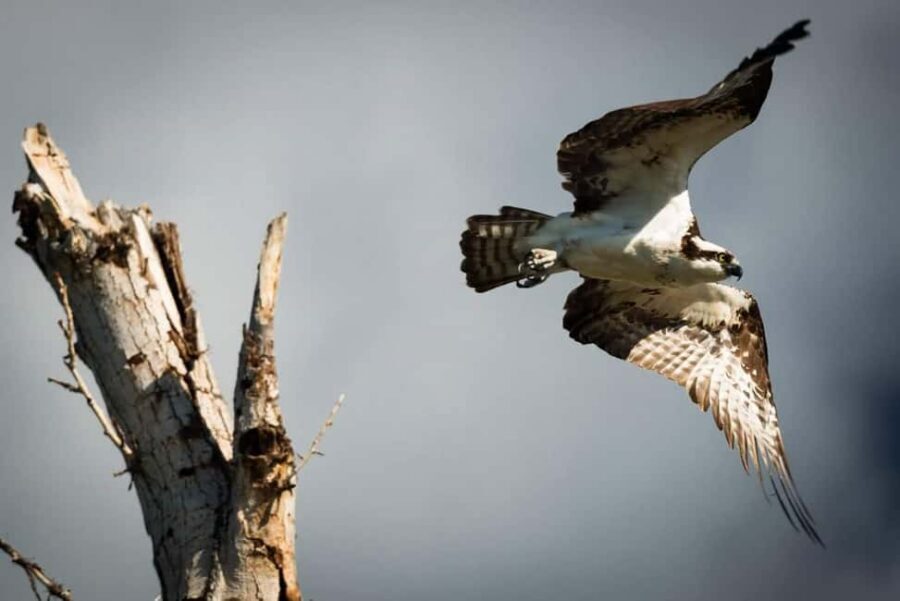
The note on regular bird targets is especially useful. White-tailed ptarmigan and rosy-finches are called out as regular aims. Those aren’t casual backyard birds—you’ll typically need the right habitat and the right season to stand a chance.
Here’s how this helps you on the ground. When birding is done well, you stop treating it like random spotting. You learn what to look for first: body shape, movement, call style, and where the birds prefer to perch. With binoculars and a spotting scope in play, you can actually confirm details rather than guessing.
Also, the guide can help you understand what you’re seeing even if you only want a relaxed day. You don’t need to know bird names to enjoy the experience. You can still leave with a mental map of the birds and habitats of Rocky Mountain National Park.
If you’re someone who gets frustrated by wildlife days that feel like waiting, birding on the move can change your energy. Even when mammals are elusive, birds often give you steady viewing opportunities—especially in the edges and open areas where scanning is worthwhile.
Close-Up Gear: Binoculars and the Spotting Scope Moment
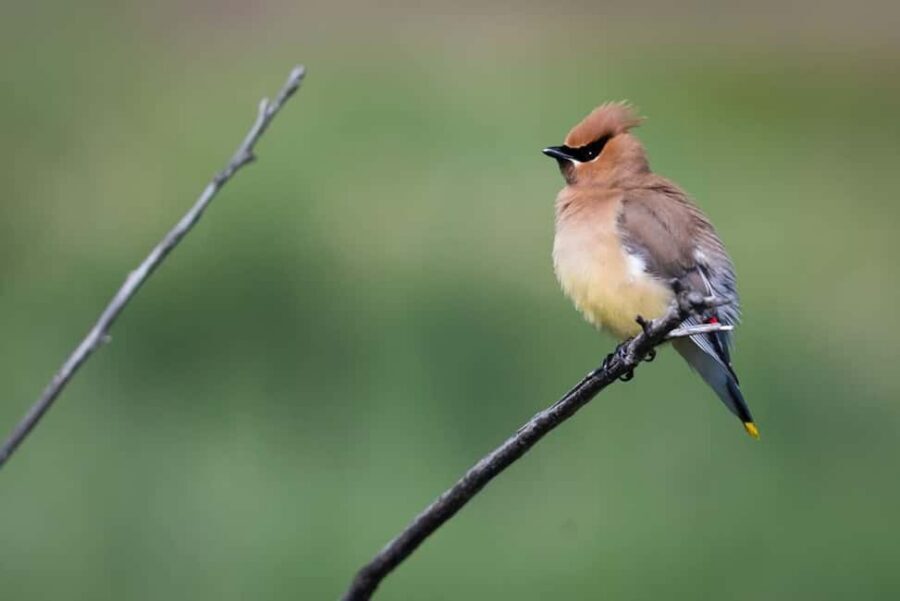
You get binoculars, and the guide also uses a spotting scope. That combination is huge in the Rockies, where animals can be far off and still completely unforgettable once you see real detail.
Binoculars are for searching and tracking at a human walking speed—helpful for scanning meadows, edges, and ridgelines. The spotting scope is for the “wait, that’s actually it” moment. When an animal appears at the distance you normally can’t read, the scope turns distance into clarity.
The tour also helps you use the gear. Even if you’ve owned binoculars for years, using them on the right angles, with the right scanning rhythm, is different. A good guide helps you focus on what matters: movement patterns, posture, and how to avoid swapping targets too quickly.
This is a small thing that adds up. When you can actually see fur texture, horn shape, or bird details, the day turns from pretty views into real memories. And if the group includes anyone who wants to photograph, you can often spot subjects sooner and position yourself better.
Other private tours in Denver


Comfort, Altitude Reality Check, and the Walks You May Add
This experience is private, so the guide can be attentive to how you’re doing physically. One review highlights that Bart was sensitive to altitude problems for east coast visitors. That’s not a small detail. At elevation, even simple standing and walking can feel harder than you expect.
So do your part. Bring water, dress in layers, and move slowly at first. If you feel lightheaded, tell the guide right away so they can adjust the pace. A wildlife day works best when everyone stays safe and comfortable enough to keep scanning.
You should also expect some walking time. The plan includes guided walking and hikes where appropriate. In one case, the guide was described as able to hike with you if you’re good to go. That’s a nice option for active travelers, but it also means you should be wearing real footwear.
A practical takeaway: shoes matter more than you think. Hiking shoes are recommended, plus rain gear and sunscreen. You’ll likely be stopping and starting, and a slip on wet ground can ruin the day.
If you’re traveling with a mixed group—someone who wants more walking and someone who prefers the car—the private format can help balance that.
Value for $595 for Up to Four (and When It’s Worth It)
Let’s talk money, because Rocky Mountain wildlife tours can get expensive fast. This one is $595 per group up to 4 people for about 5 hours, with pickup and drop-off included.
On paper, that price can look steep. In real life, it becomes more reasonable when you compare it to the cost of separate transport, extra tickets, or multiple paid entries to get a similar guided focus. The private group angle is the real value driver. You’re paying for a guide’s time and a vehicle that can get you to wildlife areas without wasting your day.
Also, you get more than driving and a generic narration. You get a naturalist guide, binoculars, snacks, and a customized itinerary based on your desires. That customization matters if you have a specific target species or if birding is your main goal.
If your group is just two people, the cost is still high, but it can be a smart splurge if:
- you want the best odds of seeing animals
- you dislike big-group schedules
- you have limited time in Colorado and want a guided day
If your group is four, the per-person math improves fast. And because you’re in one vehicle and one plan, you’re all working toward the same sighting opportunities rather than splitting and hoping.
One more value point: snacks are included. It sounds small, but not stopping for lunch makes the day smoother, especially when wildlife timing is at play.
What to Bring and How to Dress for Foothills or High Country
The Rocky Mountains can switch from sunshine to cold wind quicker than you’d expect. The tour lists some smart basics, and I agree with all of them.
Bring:
- sun hat and a second hat
- hiking shoes
- sunscreen (biodegradable is recommended)
- rain gear
- sports shoes if you plan light walks
- a reusable water bottle
If you tend to get cold, pack extra layers. Even in warmer months, wildlife hotspots can mean shaded pullouts, windy overlooks, and quick stops for scanning. If you get sunburn easily, sunscreen isn’t optional in this region.
What I’d also suggest based on the tour style: keep your gear simple. You’ll want quick access to binoculars, camera straps, and layers without digging through a backpack every time the guide calls a stop.
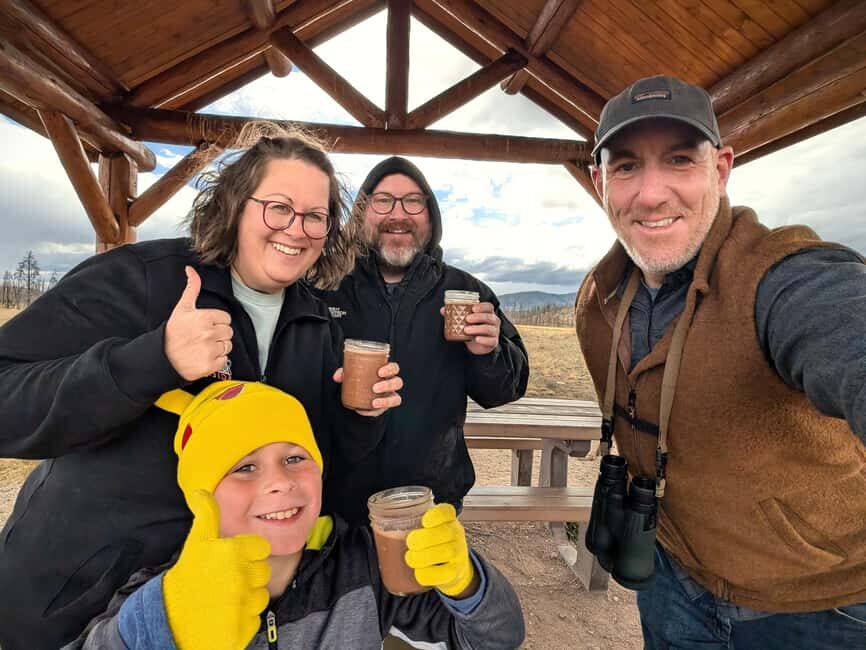
Snacks help cover the breaks between scanning, but lunch is not included. So if you’re hungry, either plan for light snacks or consider grabbing something before the pickup. (If hot drinks are your thing, one review notes hot chocolate was a hit.)
Should You Book This Denver to RMNP Wildlife Tour?
Book it if you want a private, guide-led wildlife day that actually focuses on seeing animals and learning as you go. The combination of an off-road capable TRD Pro, binoculars and a spotting scope, and a naturalist who can tailor the targets is what makes this stand out.
Skip or rethink if you need a fully predictable checklist outcome. Wildlife isn’t guaranteed. Also, if your idea of a perfect day is totally sedentary with zero walking, the guided walks may not fit your style—although you can usually adjust your comfort level in a private format if you speak up early.
If you’re traveling for wildlife and you value time, not just scenery, this is a strong choice out of Denver. You’ll get real odds, better viewing tools, and a guide who can turn a half day in the park into a day you remember for the right reasons.
FAQ
Do I need a timed entry pass for Rocky Mountain National Park?
If you hire an authorized guide, you do not need a timed entry pass. If you did not get one, this tour is described as your chance to bypass the timed entry system.
How many people are in the group?
This is a private group for up to 4 people.
Where is pickup and drop-off?
Pickup and drop-off are included, and you’ll be picked up in the Denver metro area outside your hotel or residence. You’ll also be dropped off at the same place you were picked up.
What vehicle will the guide use?
The guide picks you up in a bright orange Toyota 4Runner TRD Pro.
What languages are offered?
The live tour guide speaks English and Dutch.
How long is the tour?
The experience is listed as 5 hours. The schedule includes drive time and a guided park portion.
What’s included in the price?
Included are pick up and drop off, binoculars, an expert naturalist guide, a driver, snacks, and a customized itinerary based on your desires.
Is lunch included?
No, lunch is not included.
What should I bring?
Bring a sun hat, hat, hiking shoes, sunscreen (biodegradable sunscreen is recommended), rain gear, sports shoes, and a reusable water bottle.