REVIEW · DENVER
Rocky Mountain National Park in Summer Tour from Denver
Book on Viator →Operated by The Colorado Sightseer · Bookable on Viator
You can see the Continental Divide without driving. This full-day trip from Denver takes you into Rocky Mountain National Park for alpine road viewpoints, short walks, a picnic lunch, and a break in Estes Park (including time at the Stanley Hotel). You’re on a tight route, but it’s built for maximum scenery and wildlife odds.
I like two things a lot: the small-group pace (up to 12 people) and the picnic lunch in the park with real scenery breaks instead of just roadside stops. The guides—think Alex, Hans, Will, Ben, Phil, Stephen, Michelle, and Anne—tend to keep the day moving with clear explanations while you’re actually looking at the mountains.
One thing to take seriously is altitude. Even on short walks, you can feel the thin air on Trail Ridge Road and around the higher overlooks, so go easy and talk to your doctor if you’re concerned.
In This Review
- Quick hits before you go
- Denver to Rocky Mountain: the day works even if you hate mountain driving
- Entering Rocky Mountain National Park: start with fresh-air momentum
- Alluvial Fan stop: see the land’s power up close
- Horseshoe Park picnic: the best kind of break, right where the air feels different
- Trail Ridge Road: the Continental Divide ride people remember
- Rock Cut: a high overlook built for spotting small mammals
- Alpine Visitor Center: ranger info, gift shop, and 360-degree payoff
- Milner Pass, Forest Canyon, and Many Parks Curve: short walks with big perspective
- Leaving Rocky Mountain through Beaver Meadows: the wildlife search continues
- Estes Park and the Stanley Hotel: a real town moment after the mountains
- Price and logistics: where the $169 really lands in value
- What to pack for altitude and real weather
- Wildlife spotting strategy: maximize your odds without exhausting yourself
- Who this tour suits best
- Should you book this Rocky Mountain National Park summer tour?
- FAQ
- How long is the Rocky Mountain National Park in Summer Tour from Denver?
- Where do I meet the tour and when does it start?
- Do I need to rent a car to do this tour?
- How many people are in the group?
- What’s included in the price of $169?
- Are there any extra costs I should budget for?
- Is lunch provided, and are there vegetarian options?
- Can I choose my sandwich for the picnic lunch?
- Does the tour include Trail Ridge Road and the Continental Divide?
- What animals might we look for during the day?
- Does the tour run in bad weather, and how should I prepare for altitude?
Quick hits before you go
- Car-free convenience: you meet in Denver, get driven all day, and return to the same spot.
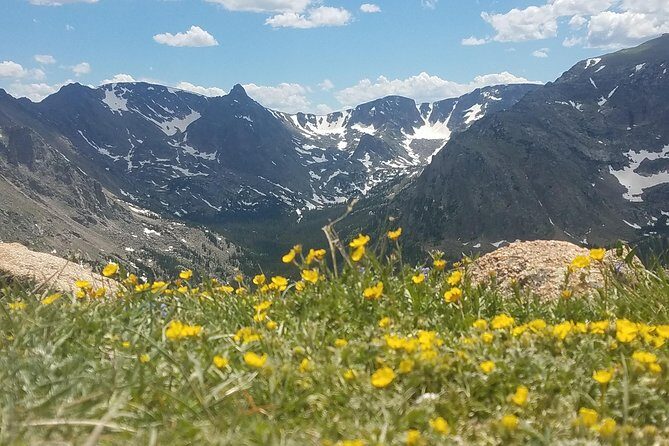
- Trail Ridge Road access: you’ll ride up into the alpine on North America’s highest paved road.
- Picnic lunch with flexibility: lunch location can shift based on conditions, so you’re not stuck with one plan.
- Multiple wildlife-minded stops: from Rock Cut to overlook walks, the route keeps your eyes moving.
- Estes Park + Stanley Hotel time: a built-in mountain-town break after the park.
Denver to Rocky Mountain: the day works even if you hate mountain driving
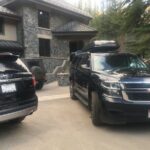
The tour starts at Denver Union Station (1701 Wynkoop St) at 8:15am, and it ends back at the same meeting point. You’re getting a full 10-hour style day out of Denver, without having to rent a car, fight parking, or negotiate mountain roads when you’d rather just look up.
This is also the kind of tour that fits people who want nature, but not a full hike day. You’ll do several short walks—usually 10 to 40 minutes—so your legs get a stretch without needing to plan blisters, hours of trail time, and gear.
And since the group is limited to 12 travelers or less, it feels easier to ask questions and get a real conversation at the stops, not just a quick “look left” from a cranky bus driver.
Other Rocky Mountain National Park tours in Denver
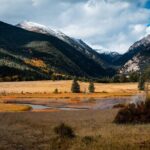
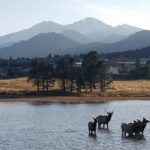
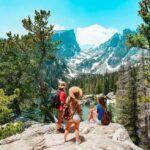
Entering Rocky Mountain National Park: start with fresh-air momentum
Once you roll into the park, the day stops being a drive and starts being a series of short, meaningful moments. The first segment is about getting you into the right mindset—cooler mountain air, big views, and that sense that the park is doing something dramatic to the land.
You don’t need to arrive early and coordinate multiple parking lots on your own. The guide handles timing and route, and your job is simple: show up, listen when you can, and keep your eyes on the slopes and meadows.
This matters because Rocky Mountain National Park rewards attention. The difference between “passing through” and “experiencing it” is often whether you pause for the small stuff—like how water, rocks, and wildlife move through the same places.
Alluvial Fan stop: see the land’s power up close
The first stop on the itinerary is Alluvial Fan, about 35 minutes. This isn’t a long hike. It’s a walk that focuses your attention on a specific story: the kind of destruction and transport that leaves boulders dumped onto a valley floor.
You’ll see boulders the size of cars deposited in the aftermath of the park’s high-energy forces. It’s dramatic geology without needing a geology degree. And since you’re walking a bit, it’s a good way to shake off the morning and start feeling the altitude.
Potential drawback: this stop is visual and interpretive more than scenic-bench-and-nap. If you’re hoping for long panoramic photo lines every five minutes, this may feel more “look closely” than “stare far away.”
Horseshoe Park picnic: the best kind of break, right where the air feels different
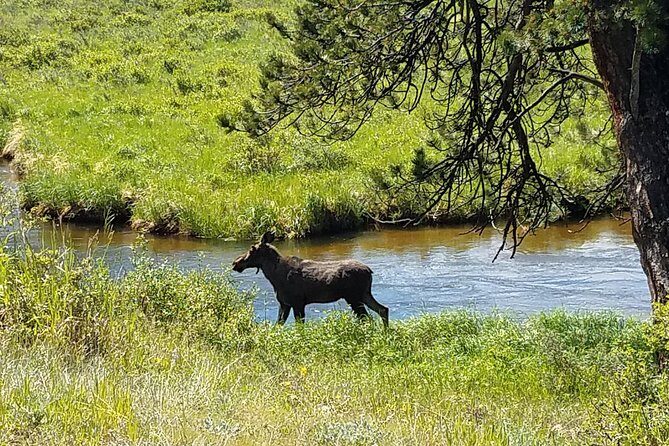
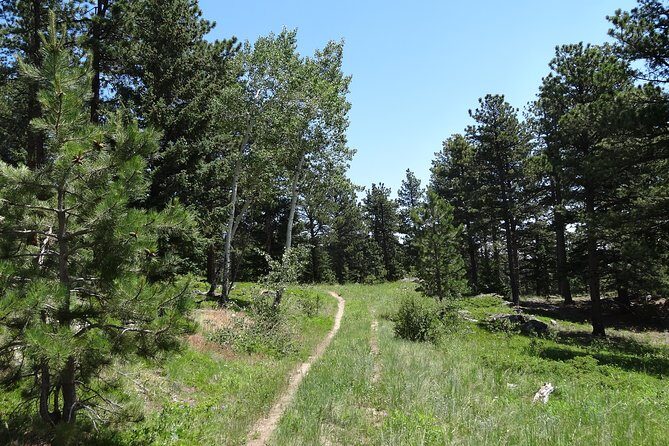
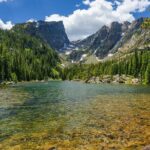
Lunch comes at Horseshoe Park, roughly 40 minutes. The best part here is that it’s not a rushed roadside sandwich. You’re picking a spot for a picnic in a mountain valley, with water nearby (stream or scenic lake, depending on conditions).
The guide may choose a different picnic location if conditions change that day, so you’re building in a little flexibility. That’s a practical advantage in the mountains, where weather and visibility can shift faster than you can plan.
What you’ll want to do: eat unhurried if you can, then take 5 minutes to walk off the stiffness before getting back in the van. Short walks after lunch are where you usually notice the smaller animals and movement around meadows.
Trail Ridge Road: the Continental Divide ride people remember
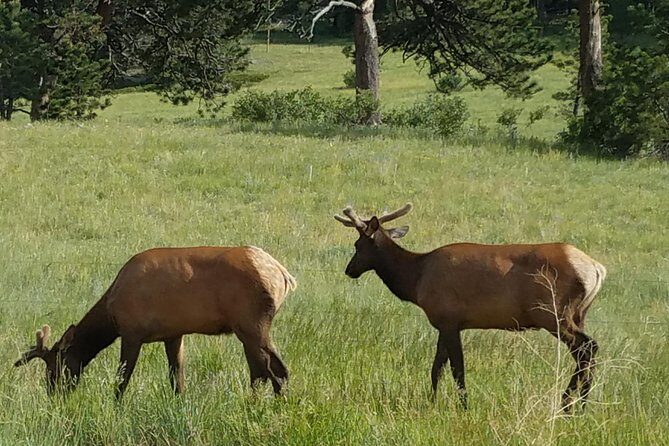
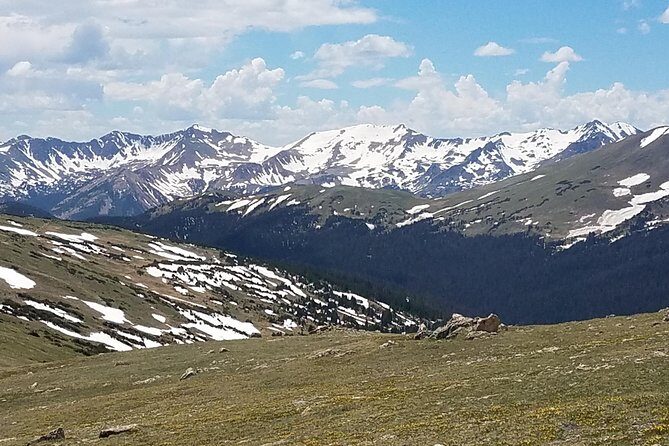
This is the centerpiece: Trail Ridge Road, about 2 hours, including driving and stops. You’ll travel 11 miles into the alpine on a road known for being the highest paved route in North America.
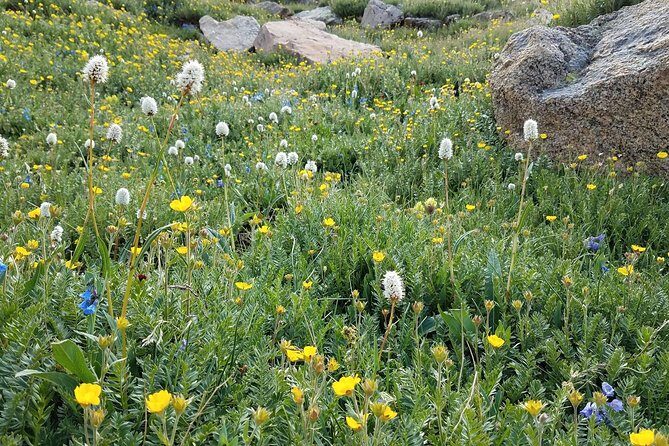
At multiple points, you’ll stop for photos and short walks at overlooks. The goal isn’t just “see the view.” It’s to get you close enough to notice wildlife patterns and how the environment changes as altitude rises.
Why this matters: Rocky Mountain National Park at high elevation feels like a different planet—thinner air, different vegetation, and skies that make you want to keep lifting your camera higher. Being driven up and timed by someone who knows where to pause keeps you from wasting that precious time at every turn trying to figure out where the best pull-offs are.

Rock Cut: a high overlook built for spotting small mammals
Next up is Rock Cut for about 15 minutes. This is one of those short stops where being ready pays off.
Your itinerary sets expectations for wildlife sightings at this scenic overlook and high spot on Trail Ridge Road, including pika, bighorn sheep, and marmots. Even if you don’t see everything, the point is to train your eyes: look for movement along rocky edges and in spots that seem too exposed to be comfortable.
This is also a good place for a quick reality check on fitness. If you feel winded at altitude, you can still enjoy it—just keep the pace slow on the overlook walk and focus on what’s in front of you.
Alpine Visitor Center: ranger info, gift shop, and 360-degree payoff
The Alpine Visitor Center stop is about 40 minutes. It’s a practical pause with two options built in: you can visit the ranger station and gift shop, or take a walk up to the highest point on Trail Ridge Road for 360-degree views.
This stop is useful because it breaks up the drive while you’re already high up. It’s also where you can mentally reset and decide how much energy you have left for the remaining overlooks.
If you’re chasing the best photos, plan your time here carefully. The views are wide and bright, so you’ll want to spend a few minutes just watching the light move across the valleys—not just shooting one quick frame and leaving.
Milner Pass, Forest Canyon, and Many Parks Curve: short walks with big perspective
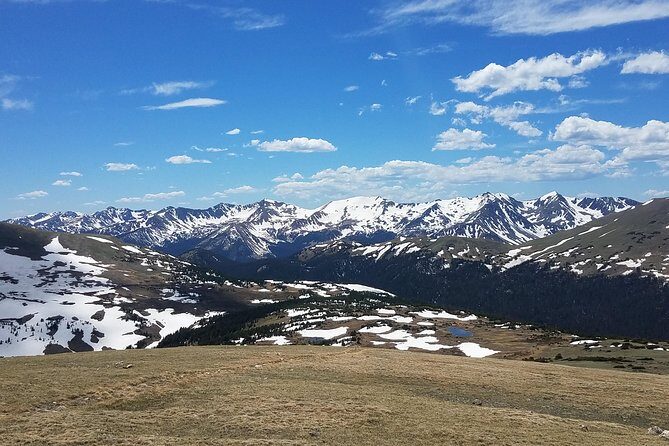
After the Visitor Center, the itinerary becomes a sequence of quick altitude-and-view moments:
- Milner Pass (about 10 minutes): a photo stop for Poudre Lake and a view of the Continental Divide.
- Forest Canyon Overlook (about 15 minutes): a walk in the alpine for panoramic views and photos.
- Many Parks Curve Overlook (about 20 minutes): a short walk showing multiple sides of the park, with views toward Long’s Peak and surrounding valleys.
These stops are intentionally timed. You’re not spending hours hiking, but you’re getting repeated “view angles” so the park doesn’t blur into one long highway day.
Practical tip: keep your camera strap shorter than you think. High, windy viewpoints make long swings annoying fast, and you’ll want to focus on steady shots and quick looks for wildlife.
Leaving Rocky Mountain through Beaver Meadows: the wildlife search continues
The park portion doesn’t end the moment you head back down. You’ll exit through Beaver Meadows, with time to look for wildlife along the way.
This matters because wildlife can show up when you’re moving more slowly and watching edges—meadows, ponds, and tree lines. Beaver Meadows is a perfect example of a place where you can slow down visually, even if you’re still in the van.
Even if you didn’t see everything earlier (which is normal in the wild), this return segment keeps the day from feeling like “we already got the best part.”
Estes Park and the Stanley Hotel: a real town moment after the mountains
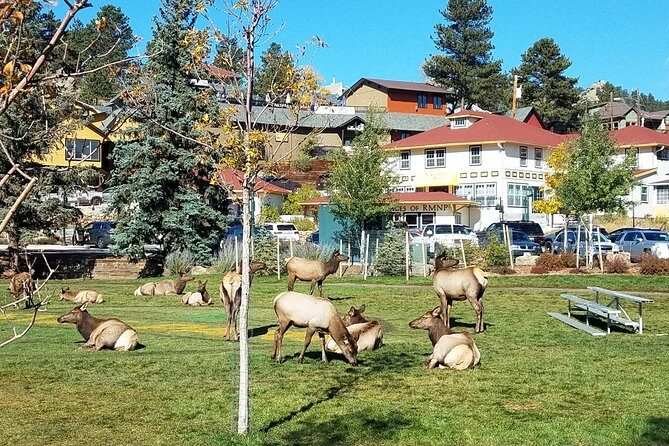
Once you reach Estes Park, you’ll have about 35 minutes to stroll down Elkhorn Avenue. Grab a drink or ice-cream, pop into local shops, and take a breather from the high-elevation push.
Then you’ll have a 20-minute stop at the Stanley Hotel, built by F.O. Stanley in 1909 and made famous through Steven King’s novel The Shinning. Even if you’re not into spooky stories, it’s a classic mountain-town landmark and a good way to end the day with something human-scale.
This added time is smart value. You get your nature day, then you get a town that feels like it belongs to the mountains—not just a parking lot near a park.
Price and logistics: where the $169 really lands in value
The tour price is $169 per person, and it runs about 10 hours. For a Denver departure, that includes a lot of convenience: transportation with a local driver/guide, live commentary, park fees, snacks and water bottle refills, and a picnic lunch.
But here’s the part you should calculate before you book: government fees of $100 per person are not included. So the total you’re budgeting is closer to $269 per person, plus gratuities (10–20% recommended).
Is it still good value? For many people, yes—especially if you don’t want to drive yourself. Trail Ridge Road is the kind of place where renting a car can add stress and cost (and it doesn’t magically guarantee you’ll find the best viewpoints in the limited time you have). This is the trade: you pay more than self-driving, but you buy time, ease, and a guided plan that keeps stops tight and useful.
What to pack for altitude and real weather
This tour operates in all weather conditions, so plan for mountain weather that can change quickly. Dress for layers, bring a warm layer even if Denver feels mild, and wear shoes that handle uneven ground during short walks.
Altitude is the bigger “before you go” issue. The tour travels into high elevations, and the guidance is clear: if you’re concerned, consult your physician prior to travel. Even strong hikers can get winded at the higher overlooks, so don’t treat every stop like a mini workout.
Also, bring extra snacks if you like to snack between meals. Lunch is included and there are snacks, but a long day at elevation can make you hungry more often than you expect.
Wildlife spotting strategy: maximize your odds without exhausting yourself
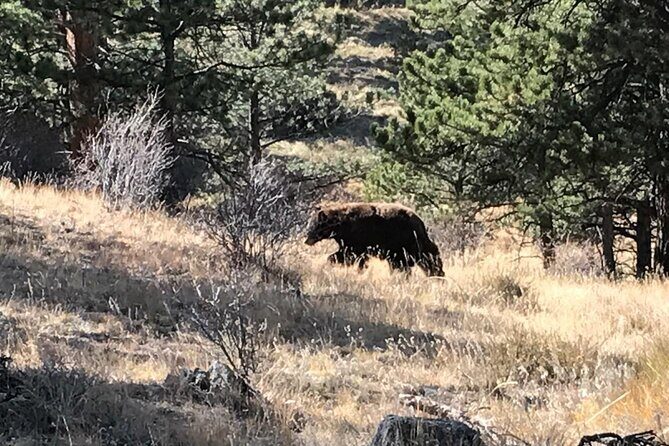
The itinerary is set up for wildlife, not for nonstop hiking. You’ll be looking around in multiple places, including a specific wildlife-focused stop at Rock Cut where the plan targets pika, bighorn sheep, and marmots.
Bigger sightings aren’t guaranteed, but the route repeatedly puts you in the type of habitats animals use: meadows, rocky areas, and overlook points where animals feel safe enough to move.
The best way to enjoy wildlife chances is simple: when you see movement, pause and look where your guide points. Don’t sprint to the next photo spot. Rocky Mountain wildlife can be easy to miss if you keep walking like you’re late for something.
Who this tour suits best
This is a strong choice if:
- you’re visiting Denver and want Rocky Mountain National Park highlights without renting a car
- you like short walks and viewpoints more than long hikes
- you want a guided day with frequent stops for photos, restrooms, and timing
- you’re traveling solo, as the group size and guide style usually make it easier to feel comfortable asking questions
It may not be ideal if you want a long, rugged trail day, or if you struggle with altitude and aren’t willing to take it slow.
Should you book this Rocky Mountain National Park summer tour?
If you want the famous parts of Rocky Mountain National Park with a plan that keeps you from dealing with driving stress, I’d book it—especially at $169, because the included lunch, snacks, water refills, and park fees do real work for your budget.
If you’re sensitive to altitude or unsure about the high-elevation sections, take the health guidance seriously and consider whether a self-paced trip would be safer for you. Either way, this is the kind of day trip where you’ll spend most of your time looking outward instead of figuring out logistics.
FAQ
How long is the Rocky Mountain National Park in Summer Tour from Denver?
The tour runs about 10 hours.
Where do I meet the tour and when does it start?
You start at Denver Union Station, 1701 Wynkoop St, Denver, CO 80202, and the start time is 8:15 am.
Do I need to rent a car to do this tour?
No. The tour includes a local driver/guide and transportation as part of the experience.
How many people are in the group?
This is a small-group tour with a maximum of 12 travelers total.
What’s included in the price of $169?
Included are national park fees, snacks, water bottle refills, picnic lunch in the park, a local driver/guide, live commentary on board, and the small-group tour.
Are there any extra costs I should budget for?
Gratuities (10–20% recommended) are not included. Government fees of $100.00 per person are also not included.
Is lunch provided, and are there vegetarian options?
Yes, a picnic lunch is included in the park. A vegetarian option is available if you advise at booking.
Can I choose my sandwich for the picnic lunch?
Yes. You select from Turkey, Ham, Roast Beef, Tuna Salad, or Veggie at booking (or by calling/emailing at least 24 hours in advance). If no selection is received, you get a turkey sandwich.
Does the tour include Trail Ridge Road and the Continental Divide?
Yes. The itinerary includes Trail Ridge Road, with the route described as crossing the Continental Divide on that road.
What animals might we look for during the day?
The itinerary specifically mentions looking for pika, bighorn sheep, and marmots at Rock Cut, and it includes wildlife searching at other points as well, including on the return through Beaver Meadows.
Does the tour run in bad weather, and how should I prepare for altitude?
It operates in all weather conditions, so dress appropriately. The tour travels to high altitudes, and if you’re concerned you should consult your physician prior to travel.