REVIEW · DENVER
General Admission to Denver Botanic Gardens Ticket
Book on Viator →Operated by Denver Botanic Gardens · Bookable on Viator
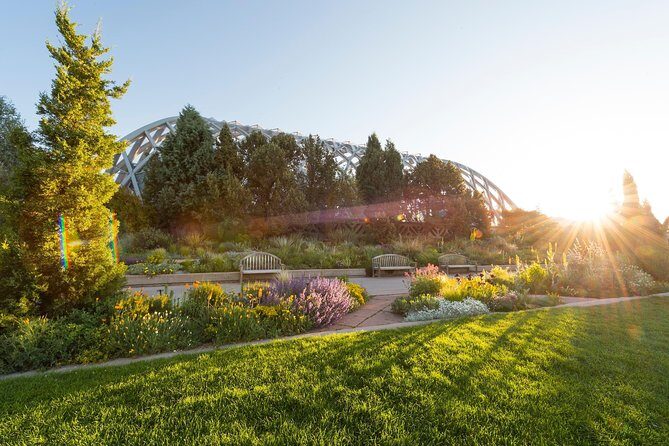
Denver’s botanic oasis beats the city heat. Denver Botanic Gardens is one of the most visited gardens in the U.S., and the York Street location makes it feel like a true escape without leaving town. I like how the plant world here is built for Colorado’s semi-arid conditions, so you’re not just looking at pretty beds—you’re seeing how drought-resistant plants actually thrive in a high-desert climate.
My favorite part is the mix of big, walkable garden sections with places to pause—ponds, fountains, and quiet spots that make half a day feel like a real reset. I also really enjoy that this garden works for families, thanks to the seasonal Mordecai Children’s Garden on top of the parking structure and the hands-on plant learning it offers. One possible drawback: if you go in a colder or late-season month, some outdoor blooms may look past their peak, so you may want to plan around the season if flowers are your main goal.
In This Review
- Quick hits before you go
- Entering Denver Botanic Gardens: an urban oasis you can finish in one afternoon
- Price and what you actually get on general admission
- The gardens in motion: paths, pacing, and the “how much walking” reality
- Stop in the main garden sections: drought-tough plants and water that cools your eyes
- Global plants without leaving Denver: Asia, Patagonia, Africa, and more
- Mordecai Children’s Garden: hands-on fun that’s seasonal (and worth planning for)
- Art and the Science Pyramid: included stops that add meaning to the walk
- Food at the gardens: Offshoots Café and The Hive Garden Bistro
- Practical tips that make the day smoother
- Parking and getting there: limited complimentary help
- Should you book this general admission ticket?
- FAQ
- How much is general admission to Denver Botanic Gardens?
- How long will I spend at the gardens?
- Do I get a mobile ticket?
- What’s included with general admission?
- Are food and drinks included in the ticket price?
- Does this ticket include specially ticketed events like Blossoms of Light?
- Is there parking?
- Is the garden wheelchair and stroller accessible?
- Does the experience run in all weather?
- How far in advance is it usually booked?
Quick hits before you go
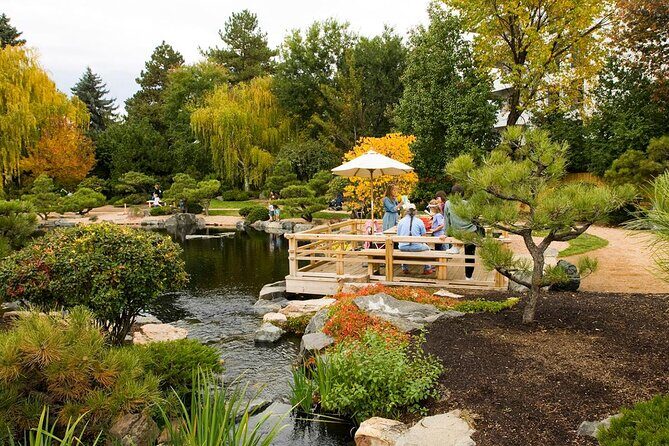
- 24 acres in the city near Capitol Hill: an easy walk that still feels like a retreat
- Drought-resistant planting suited to Colorado’s semi-arid climate
- Worldwide collections from places like Asia, Patagonia, Africa, and beyond
- Family time at Mordecai Children’s Garden (seasonal, hands-on)
- Included art and film programming at the Sturm Family Auditorium
- Science Pyramid exhibit included: Welcome Home: Meet Your Habitat
Entering Denver Botanic Gardens: an urban oasis you can finish in one afternoon
Denver Botanic Gardens sits in a real neighborhood—York Street near Capitol Hill—so it’s the kind of outing that doesn’t require a car day. The main property covers about 24 acres, which is large enough to feel like you’re wandering through “the outdoors,” but not so huge that you’ll lose the plot. I found this balance matters if you’re short on time, traveling with kids, or just don’t want to spend your day mapping your own route.
A typical visit fits comfortably into 1 to 3 hours. That’s ideal because you can go slow, take breaks, and still feel like you saw the point of the place. The garden also runs in all weather, which is practical in Denver—dress for it, then treat the day like “walk with layers,” not “sit and hope.”
Other museum and attraction tickets in Denver



Price and what you actually get on general admission
The general admission ticket is $16.50 per person, and it’s worth thinking about as value for time. You’re paying for access to a big, maintained garden experience with several added-in elements, not just open gates to a few beds.
Here’s what your general admission includes:
- Access to the gardens and their living collections
- Art exhibitions throughout the property
- Films at the Sturm Family Auditorium during public viewing times
- The exhibition Welcome Home: Meet Your Habitat inside the Science Pyramid
Two important notes:
- Food and drinks are not included, so plan on buying something or bringing your own snack if that’s your style.
- Your ticket does not cover specially ticketed events like Blossoms of Light. If you’re aiming for evening programming, double-check the event type before you rely on general admission alone.
In other words, you’re buying a flexible daytime garden ticket with extra “bonus culture” built in, not a single-purpose show.
The gardens in motion: paths, pacing, and the “how much walking” reality
You’ll get the most enjoyment by leaning into strolling. This is the kind of place where you’ll naturally slow down because there are so many themed sections and small moments—water features, shaded areas, and places to sit. The walkways are also set up for different needs: nearly all of the York Street site is wheelchair and stroller accessible, though there are a few gravel paths and stairs.
That accessibility detail is useful because it means you’re not stuck with an all-or-nothing decision. If you hit stairs, you can take alternate routes to see the area. For mobility needs, this matters more than a general promise of accessibility.
Also keep one practical expectation in mind: the garden is well-maintained, but Colorado weather affects what you see. If you come in fall or winter, you might notice plants look different than photos from spring. That doesn’t make the visit bad—it just changes the vibe.
Stop in the main garden sections: drought-tough plants and water that cools your eyes
The heart of the experience is the living collection designed to handle Colorado’s semi-arid climate. A big reason this garden gets such strong word-of-mouth is that the landscaping feels intentional: plants aren’t arranged like a random collection of pretty specimens. You’re seeing a palette chosen to do well locally—especially drought-resistant types that make sense in a high desert.
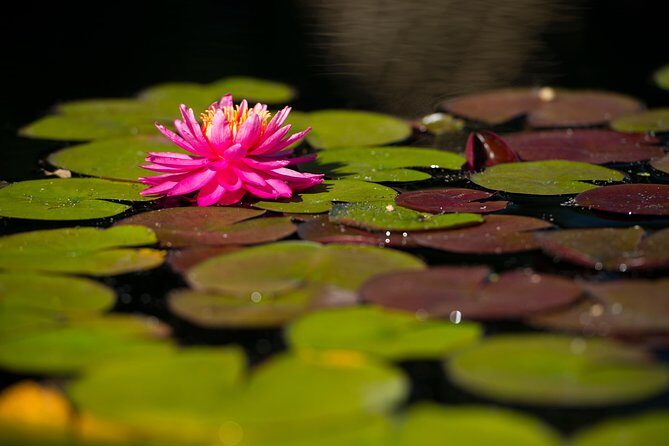
You’ll also notice the property’s relationship with water. The gardens include ponds and water features, and these become natural “meeting points” for your route. They’re especially satisfying on a walk because they add sound and a bit of visual relief—think lily pads and gentle reflections that make the garden feel less like a series of labeled stops and more like an actual place to unwind.
If you’re the type who likes to take breaks, plan to pause near the water areas. That’s where the garden naturally encourages a slower tempo.
Global plants without leaving Denver: Asia, Patagonia, Africa, and more
One of the most exciting parts of Denver Botanic Gardens is that you’re not limited to Colorado-native displays. The garden includes sections designed to showcase plants from around the globe—Asia, the Middle East, South Africa, Patagonia, South and Central America, and more.
Why this matters: you’re looking at biodiversity in a way that feels organized and labeled, not like a “guess and hope” museum moment. You get to compare how different regions’ plants grow and adapt—then you return to the underlying lesson: these are living collections curated to thrive in Colorado conditions.
If you like learning as you walk, bring that curiosity. Even if you don’t know plant names, you’ll still get plenty out of the labeled variety and the way the design teaches you what to notice.
A few more Denver tours and experiences worth a look





Mordecai Children’s Garden: hands-on fun that’s seasonal (and worth planning for)
If you’re visiting with kids, the Mordecai Children’s Garden is a major reason to go. It covers about three acres and sits atop the parking structure. The setting is built for hands-on plant education and play, with programming running seasonally (spring through fall).
Even without kids, I’d still consider this section if you like calmer, interactive spaces. It tends to create a different pace than the main paths: more pauses, more moments of looking closely, less “keep moving.”
A quick consideration: because it’s seasonal, you’ll want to match your timing to when it’s open. If it’s closed during your visit window, you’ll still enjoy the rest of the gardens, but you’ll miss that special family layer.
Art and the Science Pyramid: included stops that add meaning to the walk
Denver Botanic Gardens doesn’t treat plants as the only story. Your admission includes art exhibitions placed around the grounds, so you’ll get visual culture mixed in with the landscape. That’s not just decoration—it helps break the walk into sections, and it gives the garden personality beyond plant ID.
Two included indoor options are especially useful when weather turns:
- The Sturm Family Auditorium, where films run for public viewing throughout the day
- The Science Pyramid exhibition Welcome Home: Meet Your Habitat, which gives you a science-and-nature context as part of the visit
Why I like this approach: it gives you a “switch in mode.” You’re not trapped outside if it’s too hot, too cold, or too drizzly. You can keep the day going without losing the value of your ticket.
Food at the gardens: Offshoots Café and The Hive Garden Bistro
You’ll likely work up an appetite, and thankfully the gardens have real options. There are two dining areas:
- Offshoots Café, open all year
- The Hive Garden Bistro, open three seasons
Food is not included in the ticket price, but the availability matters. In a place this large, having on-site meals turns your visit into a full outing instead of a quick walk-and-leave.
From the experience of people who went, the café is a highlight—especially for coffee and casual bites like pastries and snacks. If you’re with kids, this is an easy win because it prevents the classic “we’re hungry and everyone is cranky” problem.
Practical tips that make the day smoother
A few small choices can make a big difference here.
- Bring layers. The gardens operate in all weather, so plan for sun, shade, and temperature swings.
- Plan for shade. You’ll find cover in places, but Colorado afternoons can still feel intense. Use it wisely.
- Wear shoes you trust. You’ll be on paths for a while, and there are areas with gravel.
- If you want help identifying plants, using your phone can be a smart move. Some people find plant ID apps make the labels more fun, turning the stroll into a mini scavenger hunt.
- Give yourself time for the little sections. The gardens are easy to rush by accident. A relaxed pace helps you notice variety that you’d otherwise skip.
Also, if you’re the type who loves special interiors, you might feel a little disappointed if a greenhouse or specific feature isn’t accessible on your timing. It’s not a problem with the garden—it’s just how real places operate. Build your plans around what’s open during your visit.
Parking and getting there: limited complimentary help
There’s limited complimentary parking in the public parking complex associated with the gardens. This is useful if you’re driving, but it’s still limited, so don’t assume you’ll always find an easy spot.
Since the site is in Denver and near Capitol Hill, you can also treat it like a neighborhood outing. If you live nearby or can use local transit, that may take pressure off parking.
Should you book this general admission ticket?
If you want a straightforward, high-value outdoor experience with extras—art exhibitions, films, and an included science exhibit—this ticket makes sense. For $16.50, you’re getting access to a well-known garden designed for Colorado conditions, with global plant displays and enough space to spend half a day or more without rushing.
Book it if:
- you like a self-guided garden walk
- you’re traveling with kids and want a family option that’s built for hands-on learning (when the children’s garden is open)
- you want an easy Denver activity that works in typical weather shifts
I’d hesitate only if:
- you’re obsessed with a very specific bloom season (outdoor flowers can look different depending on the time of year)
- you’re planning a special evening event and you need confirmation that your ticket matches that program (general admission doesn’t cover specially ticketed events)
FAQ
How much is general admission to Denver Botanic Gardens?
General admission costs $16.50 per person.
How long will I spend at the gardens?
Most visits take about 1 to 3 hours.
Do I get a mobile ticket?
Yes, the ticket is a mobile ticket.
What’s included with general admission?
Your general admission includes access to the gardens, plus limited included extras like art exhibitions, films at the Sturm Family Auditorium (public viewing throughout the day), and the Science Pyramid exhibition Welcome Home: Meet Your Habitat.
Are food and drinks included in the ticket price?
No. Food and drinks are not included.
Does this ticket include specially ticketed events like Blossoms of Light?
No. General admission does not include specially ticketed events such as Blossoms of Light.
Is there parking?
There is limited complimentary parking in the gardens public parking complex.
Is the garden wheelchair and stroller accessible?
Nearly all of the York Street location is wheelchair and stroller accessible, though there are a few gravel paths and stairs. Different routes can be taken to see the area.
Does the experience run in all weather?
Yes. It operates in all weather conditions, so dress appropriately.
How far in advance is it usually booked?
On average, it’s booked 10 days in advance.