REVIEW · DENVER
Private Hiking and Camping in Colorado – 2 day trip
Book on Viator →Operated by Amazing Adventures · Bookable on Viator
Rocky Mountain hiking, with camping handled for you.
This private 2-day trip is built for real time outside Denver: a day-hike toward an alpine lake, then a second hike through an old ranch-and-mining area, all with your group and your guide calling the shots. You’ll start at Union Station and head out with convenient pickup offered, using a mobile ticket and English-speaking guidance.
I especially like the two-part structure: first the Crater Lakes Trail scenery, then the story-rich Caribou Ranch Open Space walk with historic buildings still standing. I also like how many practical details your guide manages, including meal planning in camp—reported to be a real highlight even when temperatures drop hard.
One possible drawback: you’re committing to good weather, and day-to-day conditions can change how far you hike or where you camp.
In This Review
- Key highlights to know before you go
- A private Colorado hike-and-camp plan that feels tailored
- Denver to trail: getting there without wasting your morning
- Day 1: Crater Lakes Trail in James Peak Wilderness
- Night in the Colorado wild: tents, fires, and real comfort
- Day 2: Caribou Ranch Open Space and the old mining community
- Meals in the wild: why the food is more than a perk
- Fitness level: moderate is the target, but you should read the terrain
- Weather rules that actually affect your day
- Private tour price: what $990 per group really buys
- Who this trip is best for
- Should you book this Denver-area hike and camping trip?
- FAQ
- FAQ
- Where does this tour start and end?
- Is this a private tour?
- How many people can join?
- How long is the trip?
- What are the hikes on each day?
- Is pickup available?
- Does the tour require a certain fitness level?
- Is the itinerary dependent on weather?
- Are service animals allowed?
Key highlights to know before you go
- Private, up to 6 people: You’re not sharing the trail with strangers.
- Two very different hikes: Alpine-lake views on Day 1, old ranch and mining history on Day 2.
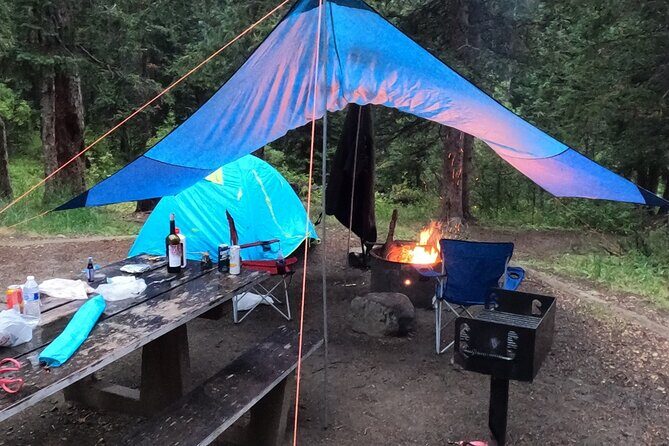
- Overnight setup in the wilderness: Tents, dinner, and the chance for a campfire if conditions allow.
- Guide-led meals in camp: Expect more than snack bars—your guide cooks.
- Weather flexibility: If conditions demand it, you may get help with traction gear.
- Free admission at the stops listed: Both Day 1 and Day 2 trail stops are marked as ticket-free.
A private Colorado hike-and-camp plan that feels tailored
If you want Colorado outdoors time without the usual “figure it all out yourself” feeling, this style of trip makes sense. It’s private, so the pace and the hiking distance can match your group’s comfort level. You’re not chasing a rigid bus schedule or trying to interpret trail junctions in a cold wind.
The itinerary also does something I like: it avoids trying to do everything. Day 1 focuses on a shorter hike to a lake and then settles into camp. Day 2 keeps the hiking length moderate while still delivering variety—ranch history, old buildings, and big views.
And then there’s the human side. In the reviews, your guide is described as someone who genuinely chats and cooks, not just someone who stamps a checklist. If you end up with Jeremy specifically, that comes through as a big part of the experience.
Other hiking tours in Denver
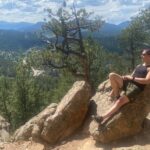
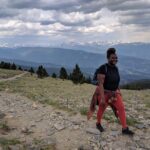
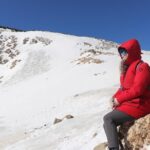
Denver to trail: getting there without wasting your morning
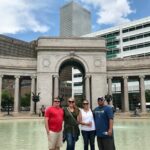
This tour starts at Union Station in Denver, with the activity ending back there. Pickup is offered, which matters because the trail system around Denver rewards early starts—especially in shoulder seasons.
The first hiking day includes a drive of about 1 hour 15 minutes before you begin. That means you’re not trudging through a late-morning shuffle just to get to trail. It also gives the guide room to adjust the hike distance—2 to 3 miles on Day 1—based on your group’s preferences.
Time-wise, the Day 1 experience is listed as 10 hours, which suggests a full day including hike, camp setup, and evening food time. Day 2 is listed at about 6 hours, which usually works well for a 4-mile walk without feeling rushed.
Day 1: Crater Lakes Trail in James Peak Wilderness
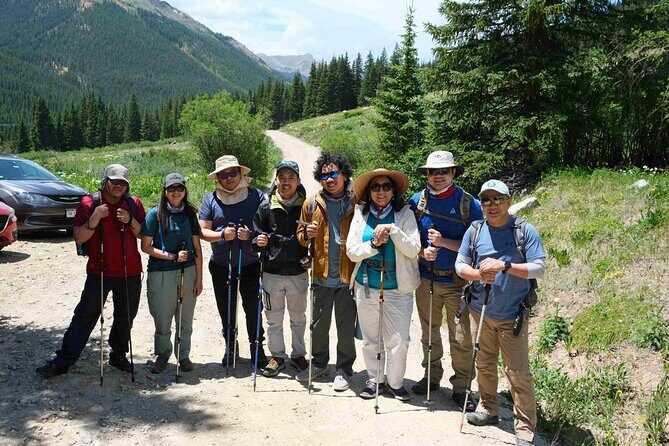
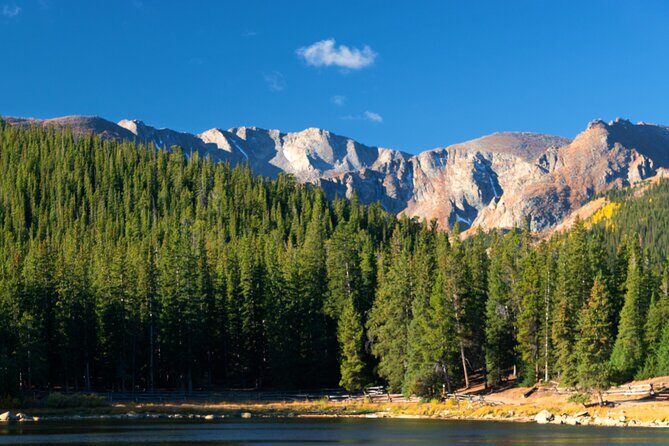
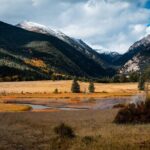
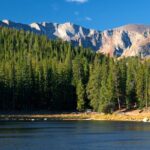
Day 1 is your alpine-lake day, aimed at that classic Rocky Mountain payoff: you hike out, reach an alpine lake, and then return to your campsite. The hike distance is designed to flex, with 2–3 miles reported for this part of the trip. That’s a sweet spot for people who want real scenery without turning the whole day into a suffering contest.
What makes Crater Lakes Trail special in practical terms is pacing. It’s not a marathon trek with endless elevation gain. You get enough time moving to earn the lake views, then you can shift into camp mode—tents, dinner, and downtime.
A key detail: depending on the season and what weekday it is, you might camp at a paid camping spot. If you’re someone who worries about whether camping will be available, that flexibility is a plus. The goal stays the same—overnight in the mountains—but the logistics can adjust to what’s workable.
Also note the admission is marked as free for the stop. That’s small, but it’s another reason this trip can feel good value: you’re paying for the private guidance and planning, not entrance fees.
Night in the Colorado wild: tents, fires, and real comfort
Camping can be either “fun adventure” or “why did I sign up for this” depending on preparation and conditions. What I like here is that the overnight portion is clearly part of the plan, not an afterthought.
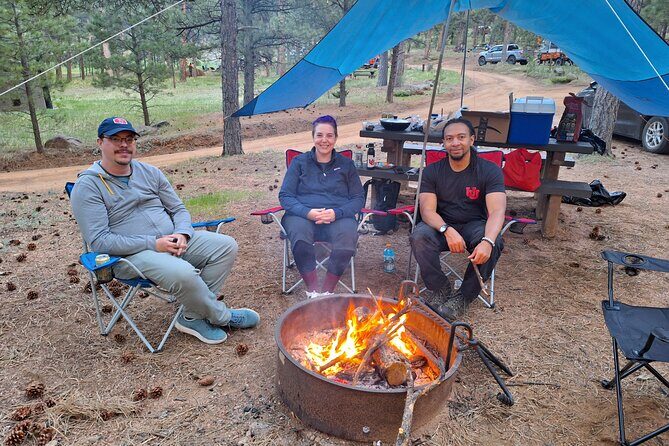
Your Day 1 includes setting up tents after the hike. Dinner happens in camp, and there’s mention of a fire if possible. That matters because a fire changes the vibe of the night—warmth, light, and that grounded outdoors feeling.
The temperature realities can be intense. One review mentions camping around -10C, and the guide is described as managing the experience so people still felt cared for. That doesn’t mean you should ignore your own gear responsibility, but it does suggest the guide isn’t guessing.
If cold nights are your concern, treat this as a packing and layering task, not a wait-and-see plan. Bring the right base layers, warm sleep options, and rain protection. The better you’re equipped, the more you’ll enjoy the camp itself instead of thinking about comfort the whole time.
Day 2: Caribou Ranch Open Space and the old mining community
Day 2 swaps alpine lake calm for a ranch-and-history hike at Caribou Ranch Open Space. The hike length is about 4 miles, and it travels through what used to be a ranch and a mining community. The buildings are still intact, which is a big difference from many “walk to overlook” trails.
You also get a strong viewpoint payoff. The hike is described as having breathtaking views, which is exactly what you want after an overnight day when your legs still have some mileage.
There’s an additional historical thread here that makes the walk more interesting than a generic stroll. The area once had a railway, and it was considered something like the Switzerland of America at one point. Even if you don’t know the details going in, the fact that the guide can connect the dots is part of why a private format helps.
Admission for Day 2 is also listed as free. So again, you’re paying mainly for time with a guide, transportation coordination, and the overnight setup.
Other private tours in Denver


Meals in the wild: why the food is more than a perk
If there’s one consistent theme in the reviews, it’s the food. People don’t just say the meals were good—they describe them with real detail, like the meals became an event.
On one trip, dinner is described as burger, salmon, and veggies, cooked in camp. Breakfast included things like burritos and coffee, and there was also mention of dumplings for lunch on the next day. Another review describes baked-on-fire salmon, plus burgers, and then breakfast items like eggs and potatoes with coffee and muffins.
Here’s the practical reason this matters to you: when camping, good meals reduce decision fatigue. You’re not spending your brain power counting calories, planning cooking steps, or wondering if you packed enough fuel. It also makes the night feel complete—hike, camp, eat, talk, and rest.
I’d still treat the meals as “prepared by the guide,” not as a magic substitute for your own emergency planning. Bring your own snacks too, especially if you burn more calories on the tougher parts of Day 2.
Fitness level: moderate is the target, but you should read the terrain
The tour notes moderate physical fitness. In real terms, that usually means you can handle steady hiking with some effort, and you’re comfortable being outside for hours at a time.
Day 1 is relatively short at 2–3 miles, but it’s still in wilderness terrain, where weather and altitude can make a “short” hike feel tougher. Day 2 runs longer at about 4 miles and is described as rewarding but tough by at least one solo traveler. The “moderate” label fits, but don’t assume flat ground.
If you’re the kind of person who gets nervous about fitness, here’s how to self-check: ask yourself if you can walk briskly for 60–90 minutes outdoors without needing constant breaks. If yes, you’ll likely be fine with this plan, especially since it’s private and can be adjusted to your comfort level.
Weather rules that actually affect your day
This experience explicitly requires good weather. That’s not just legal language. Colorado hiking can shift fast, and a guide has to protect safety first.
The upside is that the trip can respond. In one review, the guide supplied crampons and other gear needs when the weather demanded it. That’s not something you should assume will happen for every departure, but it signals a guide who pays attention and adapts rather than sticking to a plan that no longer works.
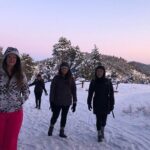
If you go in colder months, expect real winter conditions at night and possibly icy patches on the trail. Go prepared for wind, cold, and sudden wet weather. If weather cancels the outing, you’ll be offered another date or a full refund, which reduces the risk for you.
Private tour price: what $990 per group really buys
The price is $990 per group up to 6 people. That means your cost per person depends on how many of you book together. For a solo traveler, it’s understandably higher per head, but one review describes it as still feeling worth it because of the prep work, planning, and the level of care.
Here’s how I frame value for this kind of trip:
- You’re paying for private guidance, including hike management and camp logistics.
- You’re paying for transport coordination from Union Station and time out in the mountains.
- You’re paying for meals prepared in camp, which are repeatedly described as a major benefit.
- You’re getting access to areas around Denver where you’d still need a plan to camp safely.
When you compare that to renting equipment, buying supplies, booking campsites, and trying to coordinate timing on your own, the cost can start to look more reasonable—especially for small groups.
One more note: this tour is reportedly booked, on average, 33 days in advance. That’s a clue that it’s popular and that good dates can go first. If you’re aiming for a particular week, don’t wait too long.
Who this trip is best for
This is a strong match if you want a Rocky Mountain experience that feels structured but not rigid. I think it works especially well for:
- Couples or small groups who want private time outdoors
- International visitors or new residents who don’t want to guess how camping and rural logistics work
- Solo travelers who want to feel comfortable in remote areas with a guide and a clear plan
- People who care about camp meals and the “full day” feel, not just a checklist hike
It may feel less ideal if you hate flexibility. Because the experience is weather-dependent, the guide may adjust hike details or camping arrangements when conditions change.
Should you book this Denver-area hike and camping trip?
Yes—if you want a guided, private format with camp included, and you value someone handling the moving parts. The big draw isn’t just the two hikes; it’s that the day ends with a planned campsite and meals, which turns it into a true two-day outing instead of a “hike then figure out the rest” project.
I’d lean you toward booking if:
- You want Crater Lakes Trail scenery without committing to a huge multi-day backpacking effort.
- You care about a second day with actual historical atmosphere at Caribou Ranch Open Space.
- You’d enjoy a guide who talks, cooks, and adapts when conditions change.
Skip it or consider alternatives if:
- You expect zero weather risk and can’t handle the possibility of adjustments due to conditions.
- You’re only interested in a quick hike and don’t want the camping portion at all.
If that sounds like you, this is one of those trips where the planning and food really matter—and they’re clearly part of the reason people rate it so highly.
FAQ
FAQ
Where does this tour start and end?
It starts at Union Station in Denver, CO 80202, and it ends back at the same meeting point.
Is this a private tour?
Yes. It’s private, and only your group participates.
How many people can join?
It’s priced per group for up to 6 people.
How long is the trip?
The experience runs for about 2 days.
What are the hikes on each day?
Day 1 includes a hike on Crater Lakes Trail in the James Peak Wilderness (about 2–3 miles). Day 2 is a hike on Caribou Ranch Open Space (about 4 miles).
Is pickup available?
Pickup is offered, and the tour is coordinated from Denver (Union Station as the meeting point).
Does the tour require a certain fitness level?
Yes. You should have a moderate physical fitness level.
Is the itinerary dependent on weather?
Yes. The experience requires good weather, and if it’s canceled due to poor weather you’ll be offered a different date or a full refund.
Are service animals allowed?
Yes, service animals are allowed.