REVIEW · DENVER
Guided Mountain-Biking Tour of Colorado’s Front Range
Book on Viator →Operated by Denver Adventures - Zipline Tours · Bookable on Viator
Front Range trails, guided and beginner-friendly. This tour gets you mountain-biking instruction matched to your level, with a quality bike and helmet, then turns you loose on real trails toward the Rockies. I like the small-group feel and the way guides stay patient when you’re learning. The one thing to keep in mind: weather can force changes, and you might hike instead if conditions are unsafe.
You’re looking at about a 3-hour ride with a morning or afternoon start, plus simple included refuel (sports drink and an energy bar). If you’re coming from Denver, note that transport isn’t included unless you pay extra.
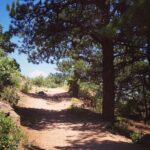
The route is chosen based on your ability, and you might even ride a portion of the famous Colorado Trail as you wind through alpine meadows and pine forest.
In This Review
- Key things I’d plan around
- Denver’s Front Range Mountain Biking: What You’re Really Buying
- Picking Beginner vs Intermediate Without Guessing
- Getting Set Up at Conifer (and Why It’s Worth Arriving Ready)
- The Ride Plan: Front Range Trails, Meadows, Pine, and Trail Connections
- Stop 1: Denver Adventures and the Half-Day Rhythm
- Refuel Breaks That Actually Help Your Ride
- Guides Who Teach, Adjust, and Keep It Fun
- Price and Value: Paying for Coaching, Not Just Trails
- Weather, Snow, and the Reality of the Front Range
- Who This Tour Is For (and Who Should Think Twice)
- Should You Book This Denver Front Range Mountain Bike Tour?
- FAQ
- How long is the guided mountain-biking tour?
- Do I choose a beginner or intermediate route?
- Is a mountain bike and helmet included?
- Is food included?
- Where does the tour start?
- Is transportation from Denver included?
Key things I’d plan around
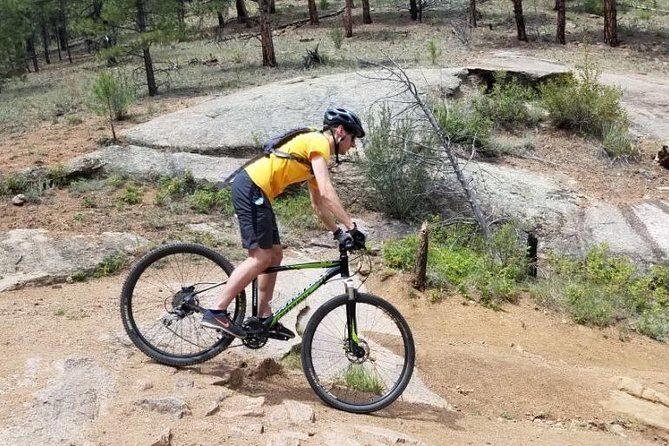
- Beginner or intermediate options that affect your actual trail: your guide chooses what fits your skills
- Up to 12 people: enough company for fun, not so many you get ignored
- Included bike, helmet, and refuel: you avoid the usual add-on surprises
- Colorado Trail possibilities: you may ride a chunk of that long 486-mile route
- Snow can trigger a Plan B: I saw this happen, and the guide adapted quickly
Denver’s Front Range Mountain Biking: What You’re Really Buying
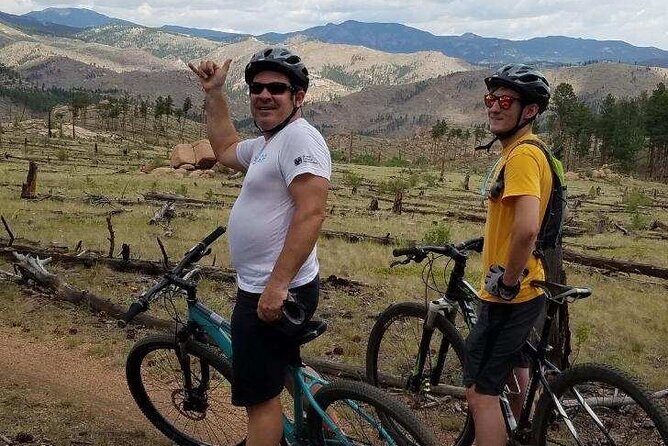
This is a guided, trail-focused mountain-biking outing out of the Denver area, specifically the Conifer side of Colorado. The price might look a bit higher than a basic rental, but you’re paying for two things that matter on a real mountain trail: a bike/helmet setup that’s ready to go and a guide who picks a route you can ride.
At $129.59 per person for about 3 hours, it’s best thought of as a guided skill-and-scenery package. You’re not just getting transportation to a trailhead. You’re getting coaching before you roll, and you’re getting help deciding what you should try when the trail gets technical.
Also, the size matters. With a maximum of 12 travelers, I find it easier to get corrections when you’re learning cornering, braking, and handling uneven ground.
Other e-bike and bike tours we've reviewed in Denver
Picking Beginner vs Intermediate Without Guessing
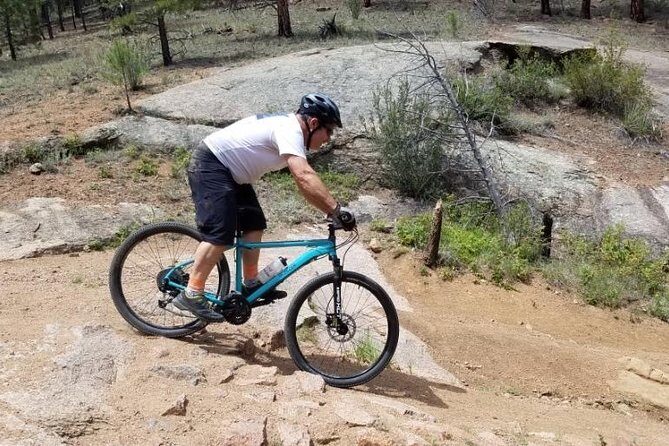
The tour offers beginner and intermediate sessions. The key point is that this isn’t just marketing-level labeling. You’re fitted for your bike and helmet, then your guide chooses a trail system based on your ability.
That’s how you get the kind of ride where you start easy, then progress. One guide (Stefan) was praised for taking people on an easy trail first, then stepping it up once they showed confidence. Another approach showed up too: guides taught maneuvers and obstacles, then let you try at your own pace rather than forcing you to “send it” right away.
If you’re a beginner, the best part is that you’re not dropped into the deep end. If you’re intermediate, you should still expect some guidance, but your route may include more challenge—climbing, faster flowing sections, and terrain that asks more of your legs and bike handling.
One more clue: a few rides included snow or icy patches, and the guide still worked with conditions instead of pretending everything would be fine. That means your “level” should be about what you can handle today, not what you could handle on a perfect-weather day.
Getting Set Up at Conifer (and Why It’s Worth Arriving Ready)
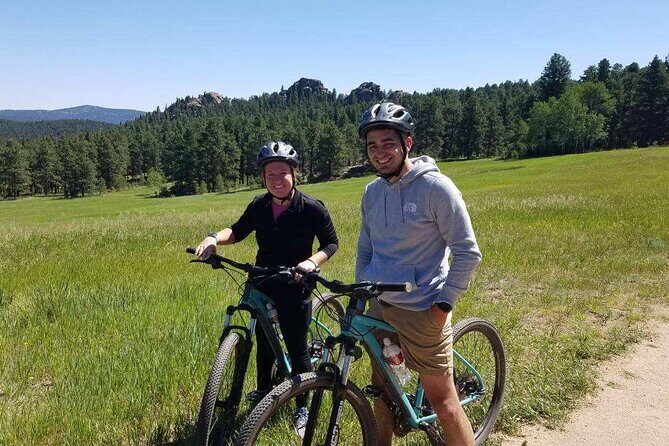
You meet at 26267 Conifer Rd, Conifer, CO 80433, and the tour ends back at the same meeting point. You’ll get a mountain bike and helmet provided, plus a fit and basic prep from the guide.
Why that matters: mountain biking is a contact sport in slow motion. A bike that’s set wrong can make every turn harder. A helmet that’s adjusted wrong makes you feel clumsy fast. Getting fitted on-site means you can focus on learning, not troubleshooting.
The tour runs in English, with a mobile ticket and confirmation provided at booking. You’ll want to show up with enough energy to ride—this isn’t a stroll. The info calls for moderate physical fitness, and it also notes above-average condition is required, so plan on real work in the legs, especially with any climbing.
Practical tip: if you’ve never mountain biked before, bring the mindset that you’ll be adjusting constantly—speed, braking, line choice. That’s normal.
The Ride Plan: Front Range Trails, Meadows, Pine, and Trail Connections
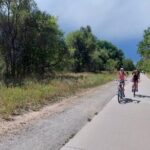
Once you’re rolling, you ride west toward the mountains along the Front Range foothills. Your guide chooses a trail route based on your session and how things feel during the ride.
Here’s what the riding experience tends to include:
- Open alpine meadows and dense pine forests
- Ups and downs (some climbing is part of the deal)
- Technical bits depending on your level
- The chance to ride some portion of the Colorado Trail (that 486-mile route through the Rocky Mountains)
In plain terms: you’re on a real trail network, not a flat loop. One couple described routes with a mix of climbing and fast flowing sections, plus occasional snow. Another beginner-focused day included instruction on maneuvering turns and obstacles with a guide taking a careful, teach-first approach.
Some rides may also take you to areas near Golden. One beginner tour ride was taken to Flying J Ranch outside of Golden, and the guide was praised for being thorough and patient with turning and obstacles. That’s a good example of how the “beginner” experience can still feel like mountain biking, just with guardrails.
If the weather is off—too snowy or icy—the guide can switch gears. In one case, biking wasn’t possible and the Plan B was a short 3-mile hike. The guide still made it engaging by talking about wildlife signs and the area’s beauty.
Stop 1: Denver Adventures and the Half-Day Rhythm
Stop 1 is at Denver Adventures – Zipline Tours, which is where you start and where the experience is set up. Even though the tour is listed as 3 hours (approx.), the half-day framing shows up in the description of this outing, so expect a block of time that includes fitting, briefing, and the ride itself.
The value of starting here is simple: your guide already has the equipment and route planning ready. You don’t waste your morning hunting for the right trail or trying to interpret difficulty grades you don’t fully understand yet. You get a structured start, then a guided ride that matches your ability.
One thing to watch: the best rides depend on current trail conditions. The supplier asks you to contact them 24 hours before departure to confirm what to expect, so don’t treat this like a guaranteed postcard route.
Other rock climbing and Front Range adventures in Denver
Refuel Breaks That Actually Help Your Ride
This is one of those small inclusions that makes a real difference: you get an energy bar and a sports drink during the tour.
Here’s why I like this setup. Mountain biking can shift from easy rolling to sudden effort fast—especially if there’s climbing or you hit rougher sections. A quick snack and drink at the right moment keeps the ride from turning into a “survive until it’s over” situation.
You’re also not paying extra for snacks mid-ride. And because it’s included, you can pack lighter and focus on what you need for comfort (layers, sun protection, and proper shoes).
Guides Who Teach, Adjust, and Keep It Fun
The biggest difference between a “bike rental with directions” and a guided ride is the guide. In this case, the guides are repeatedly praised for patience, instruction, and making the ride feel safe without watering it down.
A few standouts:
- Stefan: praised for being patient and passionate, explaining how mountain biking feels different from regular biking, and adjusting the difficulty as you show skill.
- Bill: when biking conditions failed due to snow/ice, he shifted to a Plan B hike and tailored it for someone coming from sea level, keeping it fun through wildlife signs and conversation.
- Vic: guided rides with solid trail guidance and gave locations for good pictures.
- Cooper: helped beginners with frequent breaks for water/rest at elevation, and let people decide what to try.
- Aaron: called out as awesome, with the trip centered on enjoying the outdoors.
- Erin: described as friendly, phenomenal, and knowledgeable, with a strong focus on supportive coaching.
If you’re nervous about your technique, this matters. You want corrections that are clear, not shouted over wind and handlebars. You also want someone who can read your body language and adjust before frustration turns into mistakes.
And because the group cap is 12, you’re more likely to get real feedback rather than a quick “good luck out there.”
Price and Value: Paying for Coaching, Not Just Trails
Let’s talk value in a way that helps you decide.
You’re paying $129.59 per person for:
- Mountain bike
- Helmet
- Experienced guide
- Energy bar and sports drink
- Local taxes
What you’re not paying for is extra transport from Denver (that can be added), plus food and drinks beyond the included snack and sports drink.
So the math depends on what you’d otherwise do:
- If you planned to rent a bike and figure out your own route, you’d still need gear that fits, plus trail know-how, plus the confidence boost from a guide.
- If you’re new to mountain biking, a guided session often saves time. You learn core technique faster when someone can watch your turning and braking up close.
I’d call it solid value if you want real instruction and a guided route you can actually ride. If you’re already very confident and you know the specific trails you want, you might feel like you’re paying for someone else’s route choice. But for most visitors, especially first-timers, the coaching part is what makes the money feel reasonable.
Weather, Snow, and the Reality of the Front Range
The Front Range can change quickly. The tour info is clear that this experience requires good weather. And one of the best lessons from the real-world experience is that guides can shift plans when conditions aren’t safe for biking.
I’ve seen this play out: a ride got stopped because the trail was too snowy and icy. The Plan B turned into a short hike (about 3 miles) led by a guide who stayed upbeat and adjusted the pace for someone dealing with elevation changes.
So yes, weather can interrupt biking. But you’re not left stranded. You’re trading one kind of outdoor effort for another, with the same guide attention and local knowledge.
Who This Tour Is For (and Who Should Think Twice)
This tour is a great fit if:
- You want guided mountain biking with a route chosen for your skill level
- You’d rather get coaching than guess your way through trails
- You like the idea of riding through meadows and pine forest with possible Colorado Trail moments
- You prefer a small-group setup (max 12)
It’s less ideal if:
- You’re looking for a gentle, no-effort ride. Even beginner sessions involve real outdoor terrain and at least some climbing.
- You’re expecting a fully hands-off experience. Guides will help you, but you’ll still need to participate actively—pedal, brake, steer, and follow trail cues.
- You’re not able to handle elevation. One guide adjusted pace for someone who lives at sea level, which hints this can be noticeable.
Also note: the tour asks for moderate physical fitness, and it says above-average condition is required. Read that as: if you don’t handle hills and uneven terrain well yet, choose the beginner session and prepare to take breaks.
Should You Book This Denver Front Range Mountain Bike Tour?
My quick take: book it if you want a guided intro (or upgrade) to mountain biking and you value instruction. The strongest part of this experience is the guide quality—patient teaching, smart route matching, and real adjustments when conditions change. It’s also a nice length for visitors: about 3 hours, with morning or afternoon options.
I’d only hesitate if you’re highly sensitive to weather disruptions and need biking every single minute. With snow possible, the Plan B can shift you from riding to hiking, which can still be enjoyable, but it’s not the same thing.
If you can handle a workout, stay flexible, and want the route chosen for you, this is a practical way to get onto Colorado’s Front Range trails without second-guessing every turn.
FAQ
How long is the guided mountain-biking tour?
The tour is listed as about 3 hours.
Do I choose a beginner or intermediate route?
Yes. You can choose beginner or intermediate based on your skill level.
Is a mountain bike and helmet included?
Yes. Mountain bike and helmet are included.
Is food included?
You get an energy bar and sports drink. Food and drinks are otherwise not included unless noted.
Where does the tour start?
The meeting point is 26267 Conifer Rd, Conifer, CO 80433, USA.
Is transportation from Denver included?
Transport from Denver is not included, but it can be added for an extra fee.