REVIEW · DENVER
Snowshoeing in Rocky Mountains
Book on Viator →Operated by Amazing Adventures · Bookable on Viator
Snowshoeing turns a simple hike into a winter story, and this trip makes it easy to enjoy the real Rockies without guesswork. I like the small group feel (max 6) and the fact that you’re never left to “figure it out” on snowy, unmarked trails. I also like that options can shift to match the day, whether it’s an alpine lake or a 100+ year ranch stop. The main drawback is that this is still winter hiking with possible altitude effort, so plan on a steady pace and don’t expect a long, slow stroll.
From Denver, you head out with pickup options and a drive of about 1.5 hours past Nederland to the trailhead. The hike is typically 4 to 4.5 miles, with a closer near-Denver alternative (about 3.5 miles) that can include a bison preserve and other views around Red Rocks. On the way back, you wrap up the day with trail snacks and a relaxed downhill finish, usually keeping things fun and manageable even if it’s your first time snowshoeing.
In This Review
- Quick hits before you go
- What You’re Really Doing: Lake Hike, Old Ranch, or Bison Preserve
- Denver Meeting Point and Getting to the Trailhead Without Stress
- Snowshoes vs Microspikes: Why the Choice Changes Your Comfort
- The Mile Math: 4–4.5 Miles in the Rockies (and 3.5 Mile Alternatives)
- What the Guide Actually Adds: Safety, Pace, and Real Colorado Details
- Trail Stops and Why They’re Worth the Effort
- Food on the Trail: Snacks That Make the Day Feel Complete
- Gear, Clothing, and What to Bring So You Don’t Feel Miserable
- Price and Value: What $130 Buys You in Real Terms
- Who This Trip Suits Best (and When to Choose Another Option)
- Should You Book This Snowshoeing Trip from Denver?
- FAQ
- How much does snowshoeing in the Rocky Mountains cost?
- Where do we meet, and what time does the tour start?
- Is pickup available from places other than Union Station?
- How many people are in the group?
- How long is the experience, and how far will we hike?
- Where might we hike?
- What winter gear is provided?
- Are microspikes included?
- Can I bring a service animal?
- What happens if the weather is poor?
Quick hits before you go
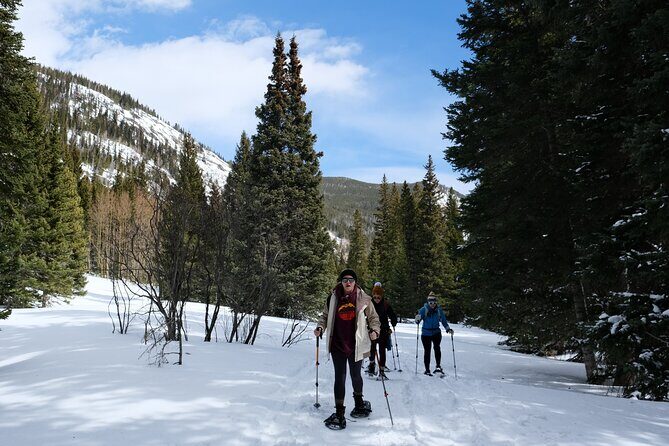
- Trails change with the season: alpine lakes or a historic ranch over 100 years old, plus near-Denver choices when conditions make sense.
- Small group hiking: maximum 6 travelers, so you get more attention and more frequent check-ins.
- Traction plan built in: microspikes may replace snowshoes when conditions call for it, with both provided.
- Guide-led safety on snowy routes: no markings can mean you’ll want someone to keep you on track.
- Warm-up snacks on the trail: sandwiches, snacks, chips, and in practice you may also get hot drinks like cocoa or peppermint tea.
What You’re Really Doing: Lake Hike, Old Ranch, or Bison Preserve
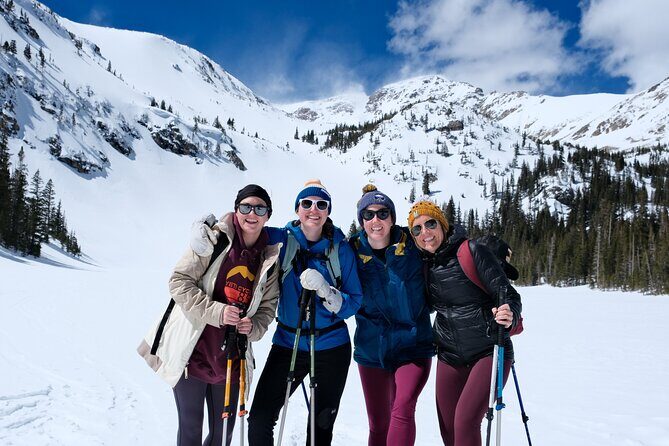
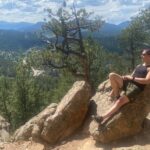
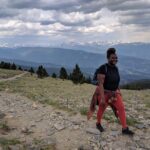
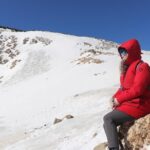
This is a winter hike with a guide, and the route isn’t fixed in stone. Depending on the season and trail conditions, you might head toward an alpine lake or toward a historic ranch area with structures dating back over 100 years. That matters, because those places don’t just look good in photos; they add meaning to the effort of walking uphill in snow.
I especially like how this tour avoids the “one-size-fits-all” problem. If deeper Rockies conditions feel like a bad fit that day, you may switch to a closer option near Denver, including a 3.5-mile walk around a bison preserve. If bison are near the fence, you can get truly up-close wildlife viewing without making the day complicated.
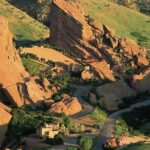
Another near-Denver possibility is a hike above Red Rocks with ruins of a villa that was burned down. That’s the kind of detail that turns a hike into a story you’ll remember—more than just tracks in snow.
Other hiking tours in Denver
Denver Meeting Point and Getting to the Trailhead Without Stress
You start at Union Station in Denver at 9:30 am, and the activity ends back at the same meeting point. If you’re staying downtown, pickup is available from any residence downtown Denver, which cuts down on the “where do we park?” stress that often ruins winter plans.
Once you’re loaded up, you’ll drive about 1.5 hours past Nederland to reach the trailhead deep in the Rockies (when the day’s conditions support that plan). I like that the drive is built into the experience, because snow and winter roads are easier when someone else is handling the logistics.
One practical note: this is a day trip. You should dress and pack like you’ll be in cold air for a while, not like you’ll just “step outside for an hour.”
Snowshoes vs Microspikes: Why the Choice Changes Your Comfort
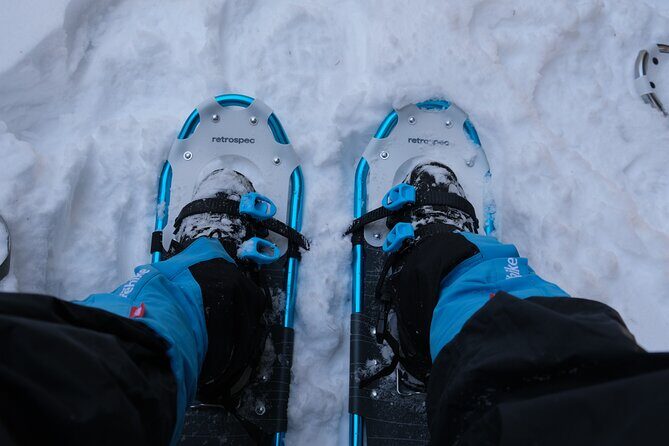
This tour plans for winter traction based on what the trail is doing. Depending on conditions, you’ll use snowshoes or microspikes. Microspikes can be easier to manage over time, and they’re provided at no extra cost.
Here’s why this matters for you: snowshoes are great when snow is deep and your footing is soft. Microspikes are often the better call when things are icy or packed, since they help you grip without feeling like you’re fighting the gear. Either way, you’re not showing up empty-handed, and you’re not stuck using whatever a rental shop hands you.
The trip also supplies hiking poles and gaiters. That combination is small, but it changes the whole experience: poles help you keep balance on uneven snow, and gaiters help keep snow out of your boots. You’ll feel it immediately once you hit a slushy patch or start descending.
The Mile Math: 4–4.5 Miles in the Rockies (and 3.5 Mile Alternatives)
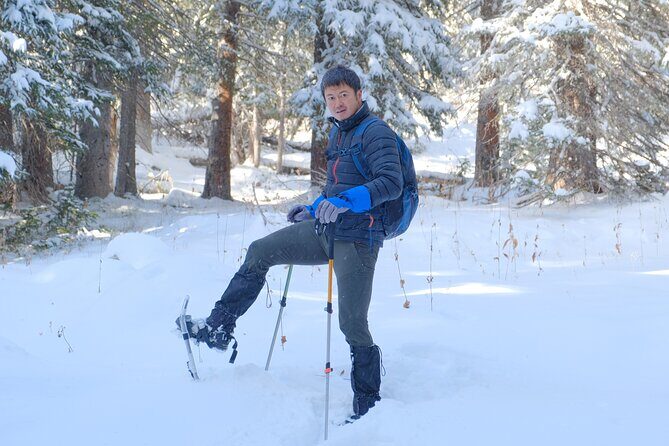
Most days, the hike runs about 4 to 4.5 miles, which is a solid winter workout. In snow, “4 miles” can feel longer because your steps have to be careful and deliberate. Still, the day is paced so you can keep moving without burning out.
A shorter near-Denver alternative is offered at around 3.5 miles. That option can be a great fit if you want the winter scenery and views but don’t want the extra uphill pressure. It’s also a smart choice if you’re visiting and your schedule is packed.
Moderate physical fitness is required. If you’re generally comfortable hiking, you’ll likely be fine—just remember that cold weather and altitude can make everything feel tougher than it does in summer.
What the Guide Actually Adds: Safety, Pace, and Real Colorado Details
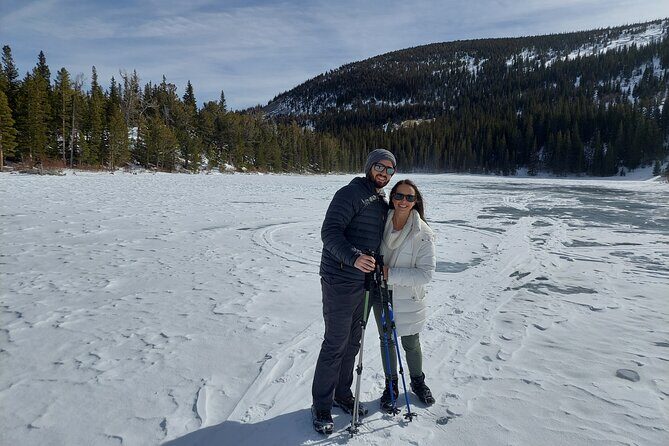
A good guide doesn’t just lead you to a spot. They manage risk, energy, and attention.
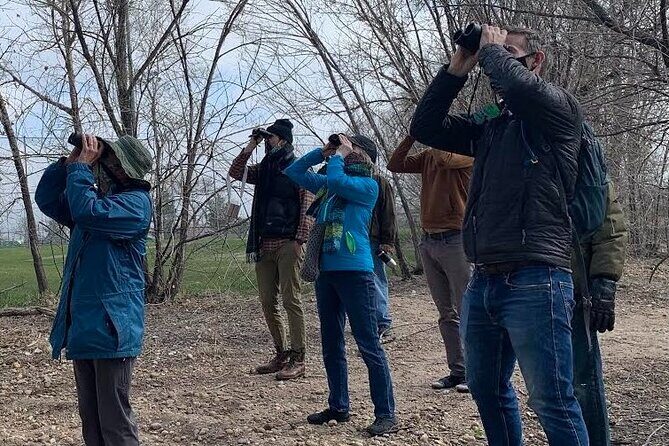
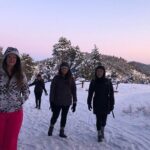
This one is led by local guide Jeremy, and the vibe from past outings is very hands-on. People talk about how Jeremy prepares the gear you need, keeps a steady rhythm with frequent breaks, and adjusts pacing so you’re not rushed. That’s a big deal in high altitude settings, where your body can feel the burn sooner than you expect.
You’ll also get a more personal kind of sightseeing. The experience is small enough that you’re not a number, and you can ask questions. Some guests even highlight that Jeremy shares local recommendations if you’re new to Denver. That’s practical: after a snowy morning, you still want good ideas for dinner or a quick stop the same day.
And yes, the guide helps with the “photo moment” problem too. If you want group shots or landscape-style photos, having someone who’s aware of angles and timing takes pressure off you.


Trail Stops and Why They’re Worth the Effort
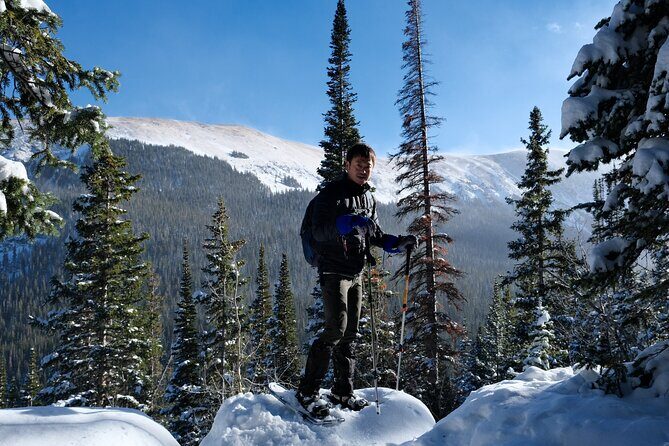
This tour tends to build the day around a few meaningful destinations, not just “walk and go home.” Depending on conditions, you might see:
- An alpine lake setting: winter quiet, frozen edges, and big views that reward careful hiking steps.
- A historic ranch area: older structures (over 100 years) that make the day feel tied to the region, not generic.
- A bison preserve walk: you might spot bison near the fence, which is one of those moments you can’t really replicate in a city.
- Red Rocks area ruins: the burned villa ruins add a layer of texture and history to the scenery above the rock formations.
Past outings also connect the day to specific places like St. Mary’s Glacier, plus stops that include an old mining town feel. You don’t need to memorize names, but you’ll likely appreciate how each option gives the route a theme: water, wildlife, history, or a moody winter ruin view.
Food on the Trail: Snacks That Make the Day Feel Complete
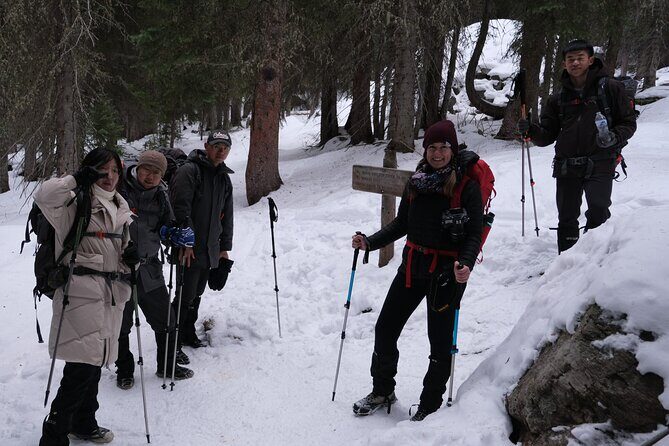
This is not a “no food, good luck” hiking plan. You’ll enjoy a sandwich, snacks, and chips on the trail before heading downhill back to the van.
In winter, food isn’t just convenience—it keeps you warmer and steadier. If you’re moving for hours in cold air, you’ll thank yourself for not waiting until the end to eat. Many guests also describe hot drinks like hot cocoa and peppermint tea, which adds a cozy break without turning the walk into a long detour.
Because breaks are built in, you can recover, drink water, and reset your focus before the trail turns steeper or slicker.
Gear, Clothing, and What to Bring So You Don’t Feel Miserable
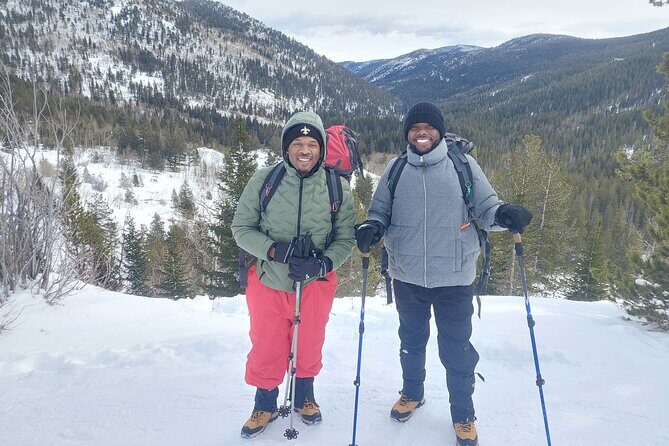
You’ll be provided with key snow gear: snowshoes or microspikes, plus poles and gaiters. That covers the core equipment need.
What you should focus on is personal comfort:
- Wear winter layers you can adjust as you warm up.
- Protect hands and face. If you tend to get cold quickly, bring an extra layer for later in the hike.
- Bring a way to keep your valuables dry while you move around.
The tour carries what it needs on the day, and that extends to water and lunch organization. One nice detail from past experiences: guests appreciated that they didn’t have to haul a big backpack during the walk, since the guide handled packing and carrying the gear you need.
If you’ve never hiked in snow before, this is the kind of structured day where you’ll learn fast, because the guide sets the pace and you copy the habits that keep people balanced and safe.
Price and Value: What $130 Buys You in Real Terms
At $130 per person for about 6 hours, this isn’t a “grab your friends and go DIY” price. You’re paying for a guide, winter traction gear (snowshoes or microspikes, poles, gaiters), and an organized plan that gets you to better trails than you’d likely manage on your own without local knowledge of winter conditions.
What makes the value feel strong is the combination:
- Small group (max 6) so the guide can actually manage pace and footing.
- Equipment included, so you aren’t paying extra for rentals or guessing what’s compatible.
- A complete day rhythm: drive, hike, trail snack break, then the return.
You’re also getting a choice-driven route model. If conditions mean a different trail is safer or more fun, the experience can adjust rather than forcing you onto the wrong kind of footing.
If you’ve ever tried a winter hike without a guide, you already know the problem: snow makes everything harder to read, and missing a turn isn’t just annoying—it can get dangerous. Here, that risk is managed for you.
Who This Trip Suits Best (and When to Choose Another Option)
This is a great fit if you:
- Want a guided winter hike instead of DIY navigation on snowy, unmarked routes.
- Are traveling to Denver and want a day plan that feels outdoorsy but still structured.
- Prefer small-group attention, especially if it’s your first snowshoe experience.
- Like the idea of switching between options like alpine lakes, historic ranch settings, or a bison preserve.
It may not be ideal if you’re looking for an ultra-easy walk. Even at 3.5 miles, winter hiking still takes energy. Also, if you have strong mobility limits, “moderate physical fitness” might be more than your day can handle.
One more practical consideration: winter weather matters. This experience requires good weather, and if it gets canceled due to poor conditions, you’ll be offered a different date or a full refund.
Should You Book This Snowshoeing Trip from Denver?
If you want the Rockies in winter without spending the day worrying about traction, route finding, or whether you’re dressed right, I’d book this. The small group size, included winter gear, and guide-led pacing make it feel safe and approachable even when you’re new to high-altitude winter hiking.
I’d particularly recommend it for first-timers and visitors to Denver who want more than just a scenic walk. You’ll come back with a real sense of place—lake views, old ranch structures, bison viewing, and Red Rocks area ruins—plus a guided day that stays fun instead of stressful.
FAQ
How much does snowshoeing in the Rocky Mountains cost?
The price is $130.00 per person.
Where do we meet, and what time does the tour start?
You start at Union Station, Denver, CO 80202, USA at 9:30 am. The tour ends back at the meeting point.
Is pickup available from places other than Union Station?
Yes. Pickup is offered from any residence downtown Denver.
How many people are in the group?
This activity has a maximum of 6 travelers.
How long is the experience, and how far will we hike?
The duration is about 6 hours. Hiking is typically 4 to 4.5 miles, with a closer near-Denver option around a 3.5-mile bison preserve hike.
Where might we hike?
Depending on conditions, you might go to an alpine lake or a historic ranch with structures over 100 years old. Near Denver, options can include a bison preserve trail and another hike above Red Rocks with ruins of a burned villa.
What winter gear is provided?
Depending on trail conditions, you’ll receive snowshoes or microspikes. Hiking poles and gaiters are also provided to help keep snow out of your boots.
Are microspikes included?
Yes. Microspikes may be used instead of snowshoes depending on trail conditions, and they are provided at no extra cost.
Can I bring a service animal?
Yes, service animals are allowed.
What happens if the weather is poor?
This experience requires good weather. If it’s canceled due to poor weather, you’ll be offered a different date or a full refund.